


There are a lot of pests that give homeowners the heebie-jeebies, and for many people, earwigs are high on the list.
With their long, skinny bodies and pincher-looking appendages, these creepy crawlers can definitely be unsettling to find in your home. Their name does not help matters, either. The word “earwig” comes from Old English words that roughly translate to “ear wiggler.”
Gross.
Fortunately, the idea that earwigs commonly crawl into people’s ears is an old superstition. Earwigs are mostly nuisance pests that prefer cool, dark, and damp spaces. They are not known to spread disease, but that does not mean you want them lurking in your basement, bathroom, or anywhere else around your home.
If you’re wondering how to get rid of earwigs, the best approach is to remove the conditions that attract them, seal off the places where they may be getting inside, and address any earwigs that have already made their way into your home.
In this article, we’ll cover:
- What earwigs are and why they may be showing up
- Effective earwig prevention strategies
- How to get rid of earwigs in your house
- When to consider professional earwig pest control
By the end, you’ll have a better understanding of what attracts earwigs and what you can do to help keep them out of your home.
What Do Earwigs Look Like?
Earwigs are slender, reddish-brown bugs with a pair of pincher-like forceps on the back of their bodies. That’s why they are also commonly called “pincher bugs.”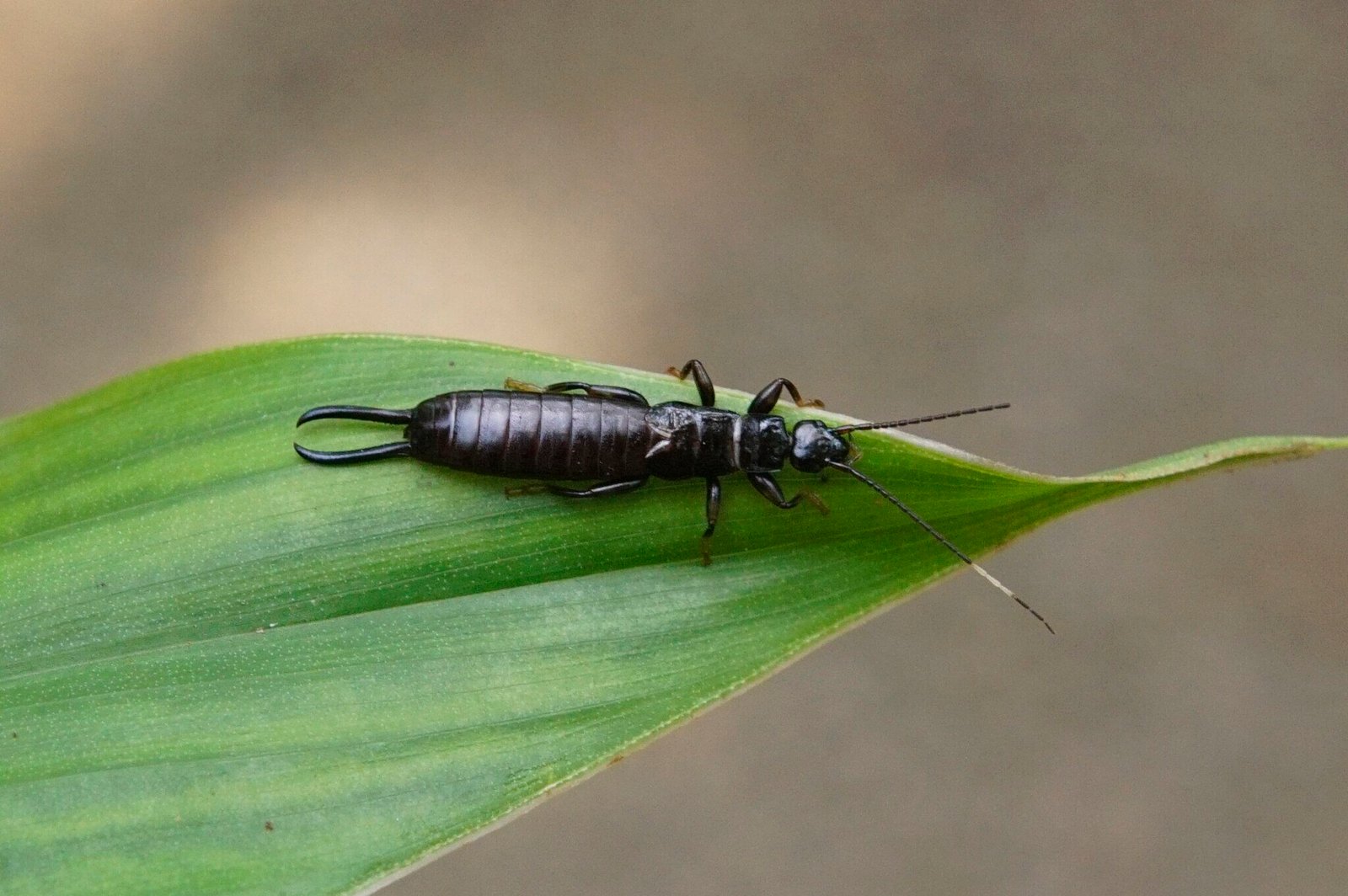
Although those pinchers might look intimidating, they are mainly used for defense and catching prey. An earwig may pinch if it is picked up and feels threatened, but most of the time, it will try to scurry away.
While earwigs are mainly a nuisance inside the home, larger populations can sometimes damage flowers, vegetables, and other plants outdoors.
Why Are Earwigs Coming Into My House?
Earwigs prefer cool, dark, and damp places. Outdoors, they often hide beneath wet leaves, mulch, rocks, firewood, and decaying wood.
They may enter your home through cracks in the foundation, gaps around doors and windows, damaged screens, or openings around pipes and utility lines. Once inside, they are commonly found in basements, bathrooms, crawl spaces, garages, and other areas where moisture tends to collect.
You may notice more earwigs around your home when outdoor conditions are especially wet or when the landscape provides plenty of damp places for them to hide.
Effective Earwig Prevention Strategies
Despite only being a nuisance pest (and not a threat), we understand why people do not want these pests in their home. Nobody wants to knowingly share their home with bugs.
To help keep earwigs out, we’ve rounded up some practical earwig prevention tips. Many of these same strategies can also help reduce other common household pests.
Reduce Moisture That Attracts Earwigs
Since earwigs and many other moisture-loving bugs prefer damp environments, reducing excess moisture is one of the most important prevention steps you can take.
Look for leaking pipes, dripping faucets, condensation, or other moisture problems in basements, bathrooms, crawl spaces, and garages. Repair leaks when possible and consider using a dehumidifier in areas that remain humid.
Seal the Gaps Earwigs Use to Get Inside
Think about how earwigs and other pests may be getting into your home in the first place.
Seal cracks and crevices around the foundation, windows, doors, pipes, and utility lines. You should also repair damaged screens and add or replace door sweeps when there are visible gaps beneath exterior doors.
Earwigs can squeeze through surprisingly small openings, so addressing these entry points can make a meaningful difference.
Remove Earwig Hiding Places Around Your Home
Earwigs often hide in wet leaves, decaying wood, heavy groundcover, and other damp landscape debris.
Rake up piles of leaves, remove rotting wood, and avoid allowing debris to build up against your foundation. It can also help to store firewood away from the house and check areas where mulch remains consistently wet.
The goal is not to eliminate every earwig from your property. It is to reduce the damp hiding places that allow large numbers of them to gather close to your home.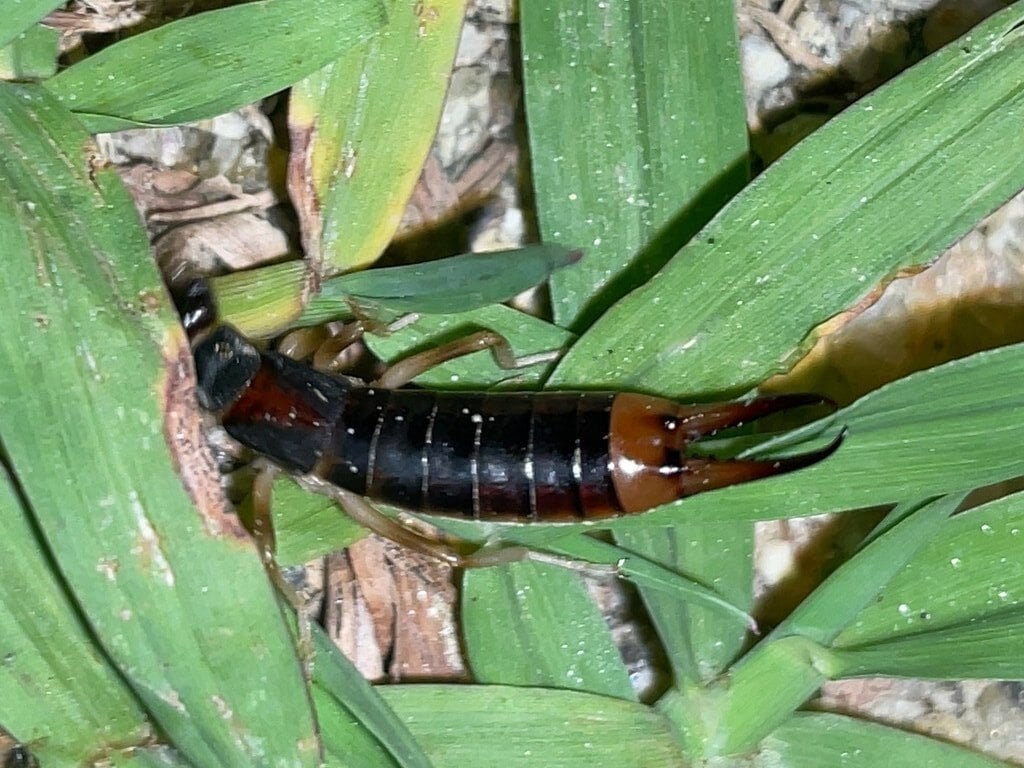
Eliminate Indoor Hiding Places
Once earwigs make their way inside, they are unlikely to spend much time sitting out in the open.
Reduce clutter in basements, garages, crawl spaces, and other storage areas. Pay particular attention to damp cardboard boxes, stacks of paper, and items stored directly against basement walls or floors.
Removing these hiding places will make your home less comfortable for earwigs and make it easier to spot ongoing pest activity.
How to Get Rid of Earwigs in Your House
If you’ve already spotted earwigs in your home, the good news is that finding one or two does not necessarily mean you have a major infestation.
You can vacuum up any earwigs you find or sweep them into a container and dispose of them outside. Be sure to empty the vacuum promptly so the earwigs do not crawl back out.
Sticky traps can also be placed along basement walls, near exterior doors, beneath sinks, or in other areas where you have noticed activity. Although traps will not correct the conditions attracting earwigs, they can help capture occasional pests and show you where activity is occurring.
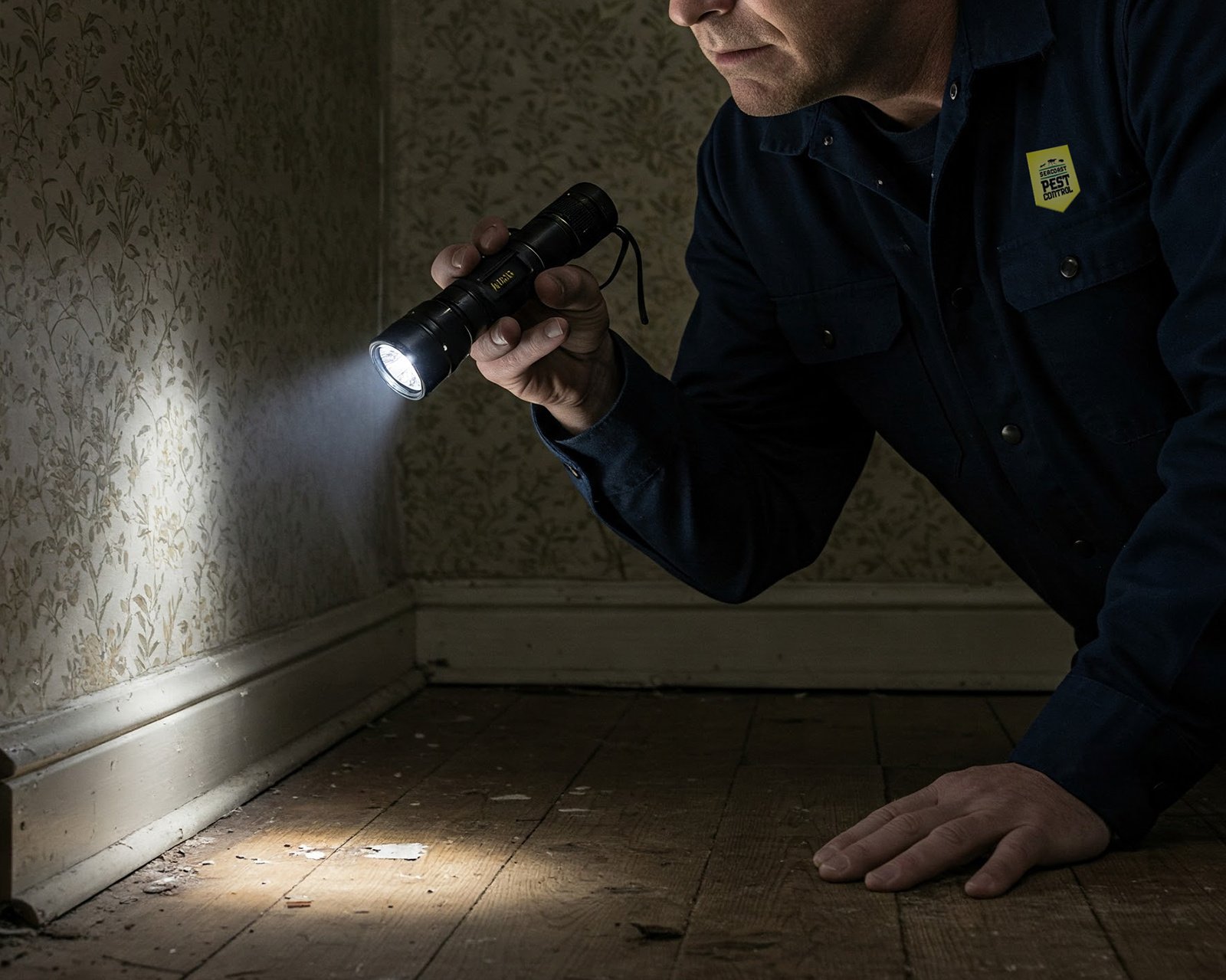
After removing the earwigs you can see, focus on what may be allowing them to enter or remain in your home:
-
Repair leaking pipes, faucets, and other moisture problems.
-
Use a dehumidifier in damp basements or crawl spaces.
-
Seal cracks around the foundation, windows, doors, and utility openings.
-
Repair damaged screens and replace worn door sweeps.
-
Remove wet leaves, decaying wood, and other damp debris near the foundation.
-
Move firewood and other possible hiding places away from the house.
Earwigs found indoors are often occasional invaders rather than pests that are breeding throughout the home. That’s why reducing outdoor populations and closing off entry points can be more effective than repeatedly treating individual earwigs indoors.
If earwigs continue showing up, you may need to decide whether DIY pest control or professional service makes more sense for your situation.
When to Consider Professional Earwig Control
Finding an occasional earwig does not always require professional treatment. In many cases, removing the pest, reducing moisture, cleaning up damp landscape debris, and sealing entry points may be enough.
But if you continue seeing earwigs inside your home, there may be an outdoor population or entry point that has not been addressed. A pest control professional can inspect the areas where earwigs are hiding, identify how they may be getting inside, and recommend an appropriate treatment plan.
At Seacoast Turf Care, our pest control services cover earwigs along with many other common household pests. Our quarterly treatments are designed to create an exterior barrier that helps reduce pest activity around your home and prevent unwanted pests from making their way inside.
If you’re weighing the cost and benefits, learn more about whether quarterly pest control is worth the investment. By combining professional pest control with steps like reducing moisture and sealing gaps, you can make your home much less inviting to earwigs and other pests.
Want to learn more about protecting your home from earwigs and other unwanted pests? Seacoast Turf Care provides pest control services throughout Southern New Hampshire, Southern Maine, and Northeastern Massachusetts.
Get pest control pricing for your property and take the next step toward enjoying your home without worrying about what might be lurking nearby.

Image Sources: earwig, earwig in grass
Ready to get the lawn you've been wishing for?
