
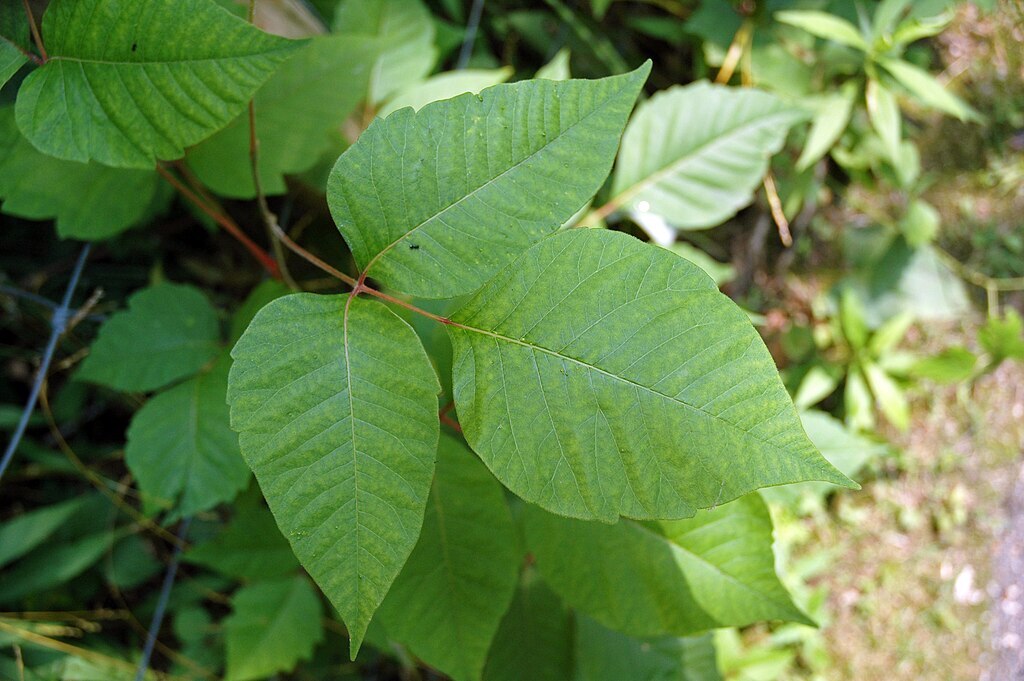
Leaves of three, let it be. That’s a common rhyme about Poison Ivy that you probably heard growing up and it might have served you well. It’s easy to remember and teaches people to avoid going near this hazardous plant that can cause itchy and even painful reactions.
But what if the Poison Ivy vines are growing in your own yard? It can be a lot more challenging to avoid when Poison Ivy is in the grass or around your own property.
Unfortunately, Poison Ivy can pop up anywhere, including residential yards.
It commonly shows up in border areas, like along the edges of woods. But even if you don’t live adjacent to a wooded area, it can still creep in. Birds and other animals can carry Poison Ivy seeds and drop them in your yard.
We know that people hate dealing with this poisonous plant, which is why we’re sharing everything you ought to know if you find it growing.
Jump to:
What Does Poison Ivy Look Like?
Where Does Poison Ivy Grow in New England Yards?
How to Avoid Contact with Poison Ivy
How to Control Poison Ivy
FAQs on Poison Ivy Plants
Choosing Lawn Care in Southern NH, Northeastern Massachusetts, and Southern Maine
What Does Poison Ivy Look Like?
As the rhyme states, a Poison Ivy plant is a plant with three leaves. This is the most reliable identifier of Poison Ivy, even though the Poison Ivy leaves themselves can vary by size and shape.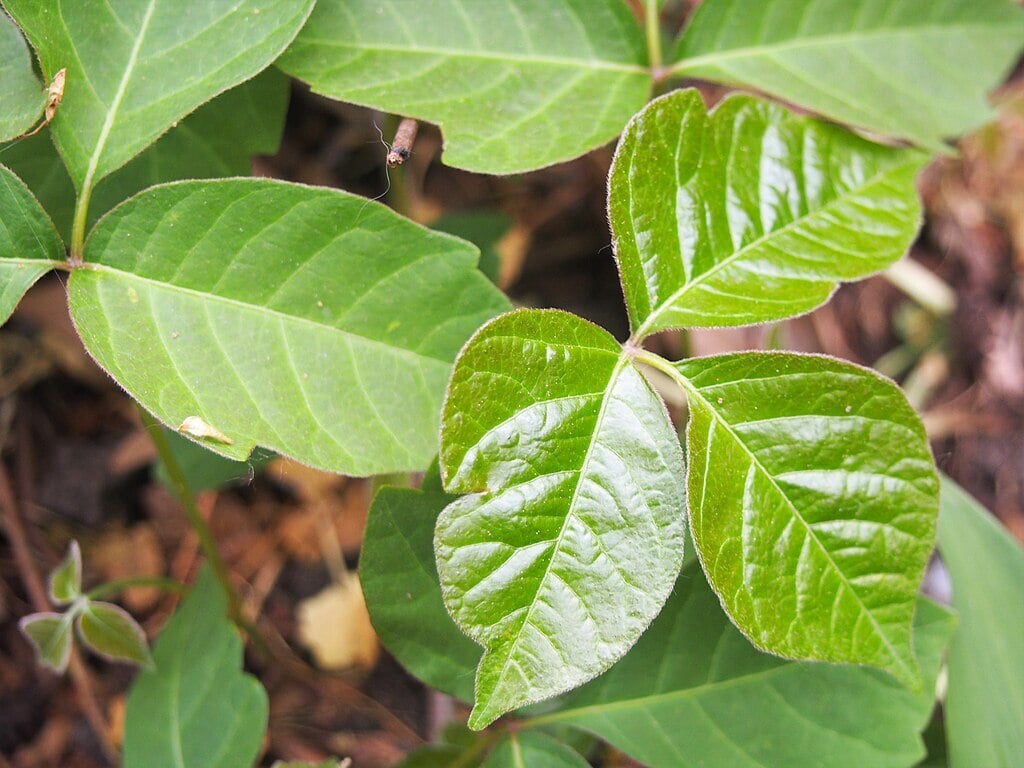
Typically, Poison Ivy leaves are glossy and can be green or reddish. Another identifiable feature is that the central leaf has a longer stem.
Types of Poison Ivy
There is both Eastern and Western Poison Ivy. Here in New England you’re more likely to see Eastern Poison Ivy, which is a vine or a shrub with hairy leaf stalks.
Eastern is the classic Poison Ivy vines that you see growing on trees while Western Poison Ivy is a low-growing, ground-hugging shrub.
Plants that Look Like Poison Ivy
There are various plants that are often mistaken for Poison Ivy plants. Here in New England some plants that resemble Poison Ivy include Box Elder in sapling form, Virginia Creeper, and Boston Ivy.
These plants can be found in similar habitats, further leading to confusion.
Here are a few distinguishing features to keep in mind.
- Box Elder saplings do have leaves of three, but they have an opposite leaf arrangement to Poison Ivy. Box Elder leaves grow in opposite pairs on the stem while Poison Ivy leaves grow alternately. In addition, Poison Ivy tends to have reddish, shiny leaves while Box Elder has yellow/brownish coloring.
- Virginia Creeper is a vine that grows in similar areas as Poison Ivy but it has five leaflets and also blue/purple berries.
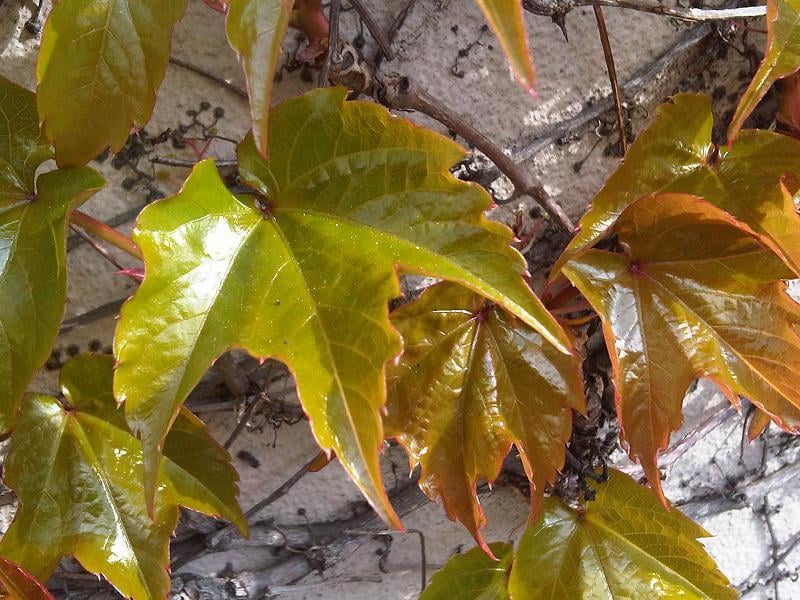
- Boston Ivy can be three-leaflet when young, but mature leaves often have three deep lobes that are not fully separated (similar to a Maple Leaf). It is also not a “hairy” vine like a Poison Ivy vine.
Where Does Poison Ivy Grow in New England Yards?
As we’ve mentioned, Poison Ivy most commonly pops up in “border areas,” meaning those areas that are adjacent to woody spots. However, because Poison Ivy seeds can be spread by birds and other animals, it can really pop up anywhere.
The Poison Ivy plant is also pretty adaptable in terms of where it can grow including both the sun and the shade. It can also grow in both wet and dry conditions. Its adaptability is one of the reasons why it can be so difficult to control.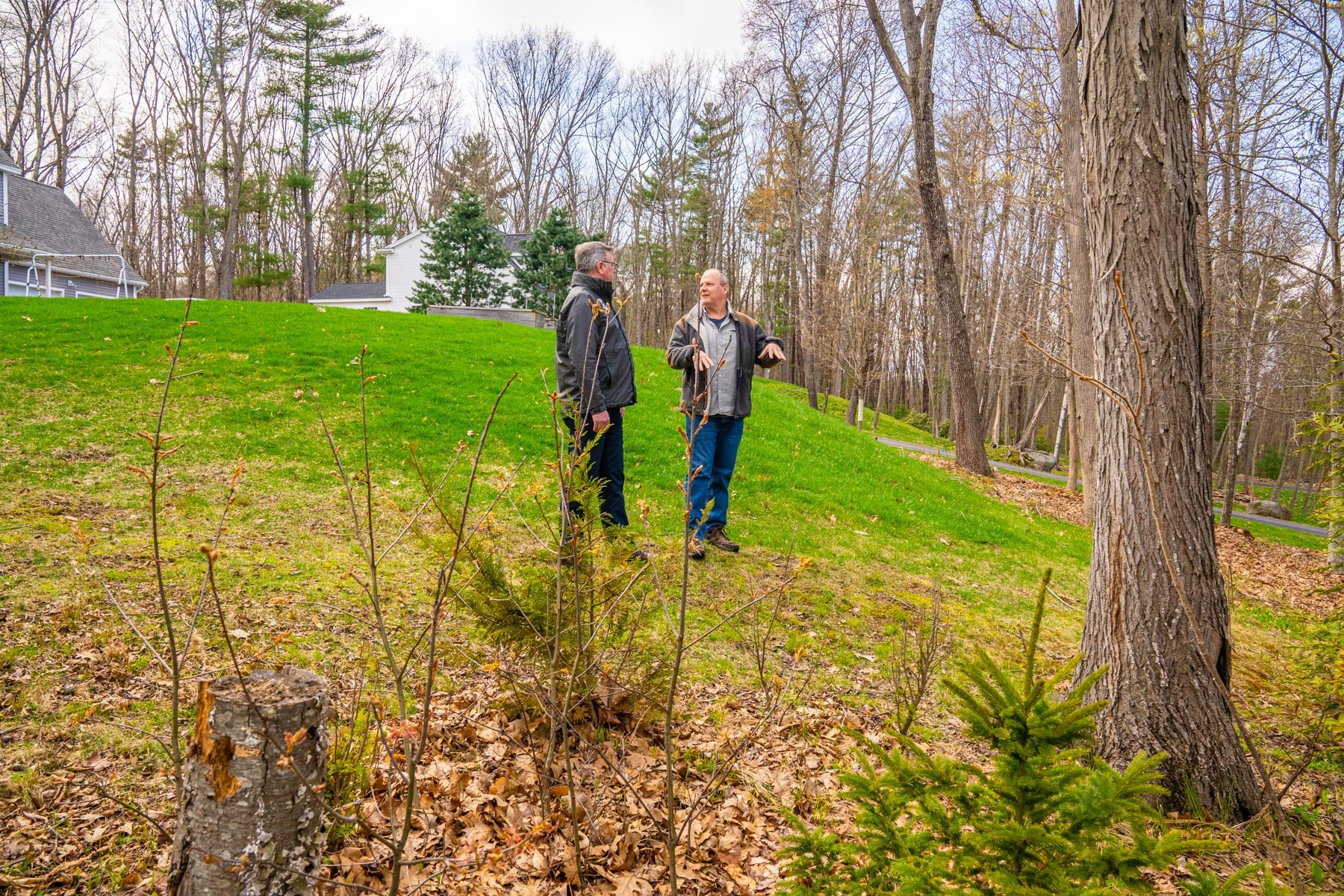
In your yard, you might find Poison Ivy vines climbing fences, walls, or rocks. But Poison Ivy can even grow in the grass. It can pop up most places in the yard, which can make it a major source of frustration.
How to Avoid Contact with Poison Ivy
Identifying Poison Ivy is one of the best ways to avoid contact with it. That’s why so many of us were taught the “leaves of three” rhyme as a kid.
Sometimes, when hiking in the woods or spending time in other prime Poison Ivy habitats, you might want to take extra precautions such as wearing long sleeves and pants. There are also some barrier creams that can be applied if you know that you are likely to come into contact with Poison Ivy plants.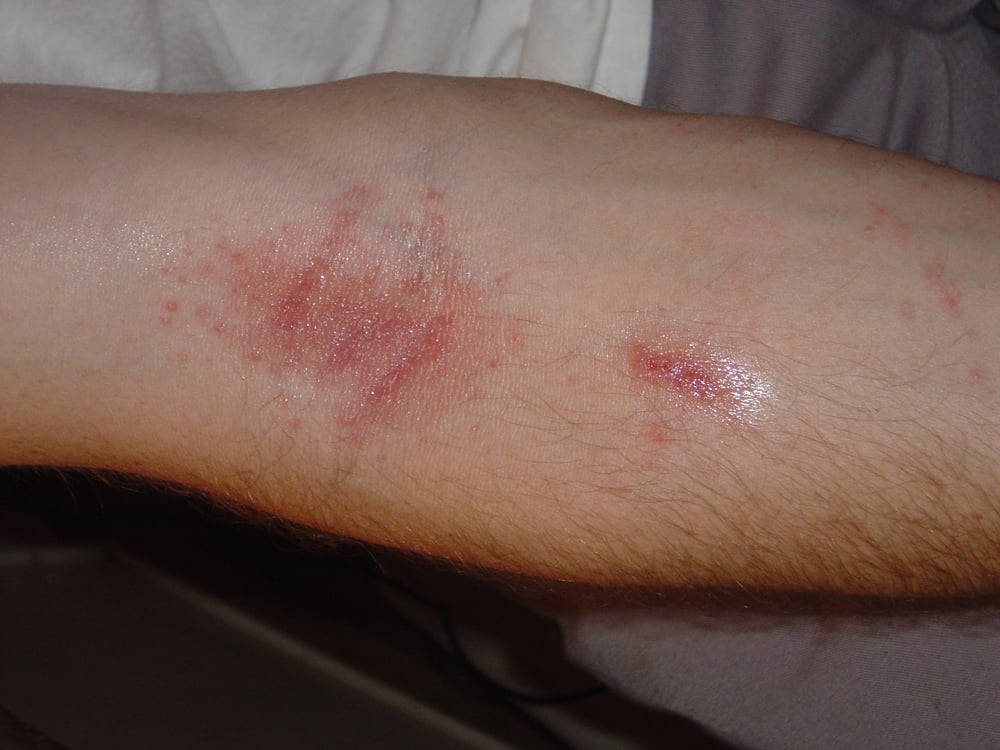
The rash that occurs when coming into contact with Poison Ivy plants is the result of an allergic reaction to the oily resin called urushiol that is found within the plant (on its leaves, stems, berries, and roots). Not everyone is allergic to Poison Ivy plants, though the majority of people will at least develop a rash (some more serious than others).
How to Control Poison Ivy
If you find Poison Ivy in grass areas or other parts of your property, you want to make sure that you deal with it appropriately.
The best way to deal with Poison Ivy is to physically remove it, wearing protective gear. Some landscapers may offer this service if you do not want to tackle it yourself or have large areas of Poison Ivy. Anyone with a severe Poison Ivy allergy should leave this service in the hands of a landscaper.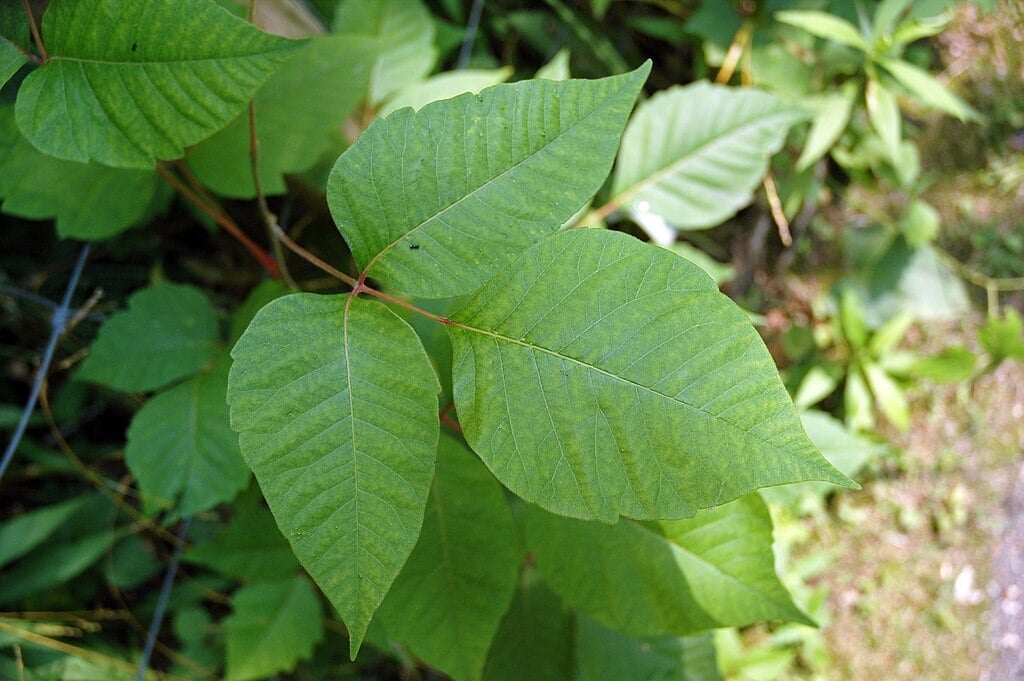
In addition, this is urgently important to remember:
Never burn Poison Ivy as it will release the toxic oils and could cause severe internal injuries, especially to the lungs.
When you remove the Poison Ivy, it is important to get the entire plant, all the way down to the roots. You’ll also want to make sure that you dispose of it in sealed bags. Take extra precaution after handling Poison Ivy plants by washing skin, laundering clothing, and washing tools. Launder items that came into contact with Poison Ivy in a separate load of wash.
FAQs on Poison Ivy Plants
Here are some of the most frequently asked questions that we get about Poison Ivy.
What is the saying about Poison Ivy?
The famous saying or rhyme about Poison Ivy is Leaves of three, let it be. Since three leaflets grow on Poison Ivy plants, this helps remind people to be cautious if they spot a plant with this characteristic.
Can Poison Ivy grow in your backyard?
Yes, unfortunately Poison Ivy can turn up in residential yards (anywhere on the property).
While it is more common around properties that are bordering wooded areas, because it can be spread by seeds, it can pop up anywhere. Animals like birds are common spreaders of Poison Ivy into residential yards.
Does Poison Ivy spread?
Yes, Poison Ivy is an aggressive spreader, which is one of the reasons why it can be difficult to control. It grows both via underground roots AND by seeds which are spread by animals (like birds). Poison Ivy can grow as vines, shrubs, or groundcover.
Does Poison Ivy die in the winter?
No, Poison Ivy does not die in the winter. Its leaves will fall off, but it remains alive, making it a year-round concern.
How do you control Poison Ivy?
The best way to deal with Poison Ivy is to remove it physically. It’s very important to wear protective gear when handling this plant and to wash everything that has come into contact with it.
Choosing Lawn Care in Southern NH, Northeastern Massachusetts, and Southern Maine
Choosing a lawn care provider that can help you with questions about your yard is important. If your goal is to have a great-looking property, then it’s important that you invest in the best lawn care services. That means working with a company that will help set you up for success.
At Seacoast Turf Care, we can provide helpful advice on problems that arise, even if they’re outside of our scope of services. We want you to feel confident that we are a trusted source you can turn to, whenever you have questions or concerns.
We do not always get involved in Poison Ivy control, but we can point you toward resources or provide expert advice as needed. Sometimes calling in a landscaper does make the most sense, particularly if you are sensitive to the toxic oils found in Poison Ivy plants or have children.
At the end of the day, we believe you deserve to be able to enjoy your property to the fullest without worrying about poisonous plants.
If we spot a Poison Ivy problem on your property, we’ll talk to you about how it can be handled. And if you see something you have questions about, know that we’re here to help!
Want to learn more about what makes us a great choice for your lawn care needs? Get lawn and pest control pricing for your Southern NH, Southern Maine, or Northeastern Massachusetts property.

Image Sources: poison ivy, toxicodendron radicans, poison ivy rash, boston ivy
Ready to get the lawn you've been wishing for?
