

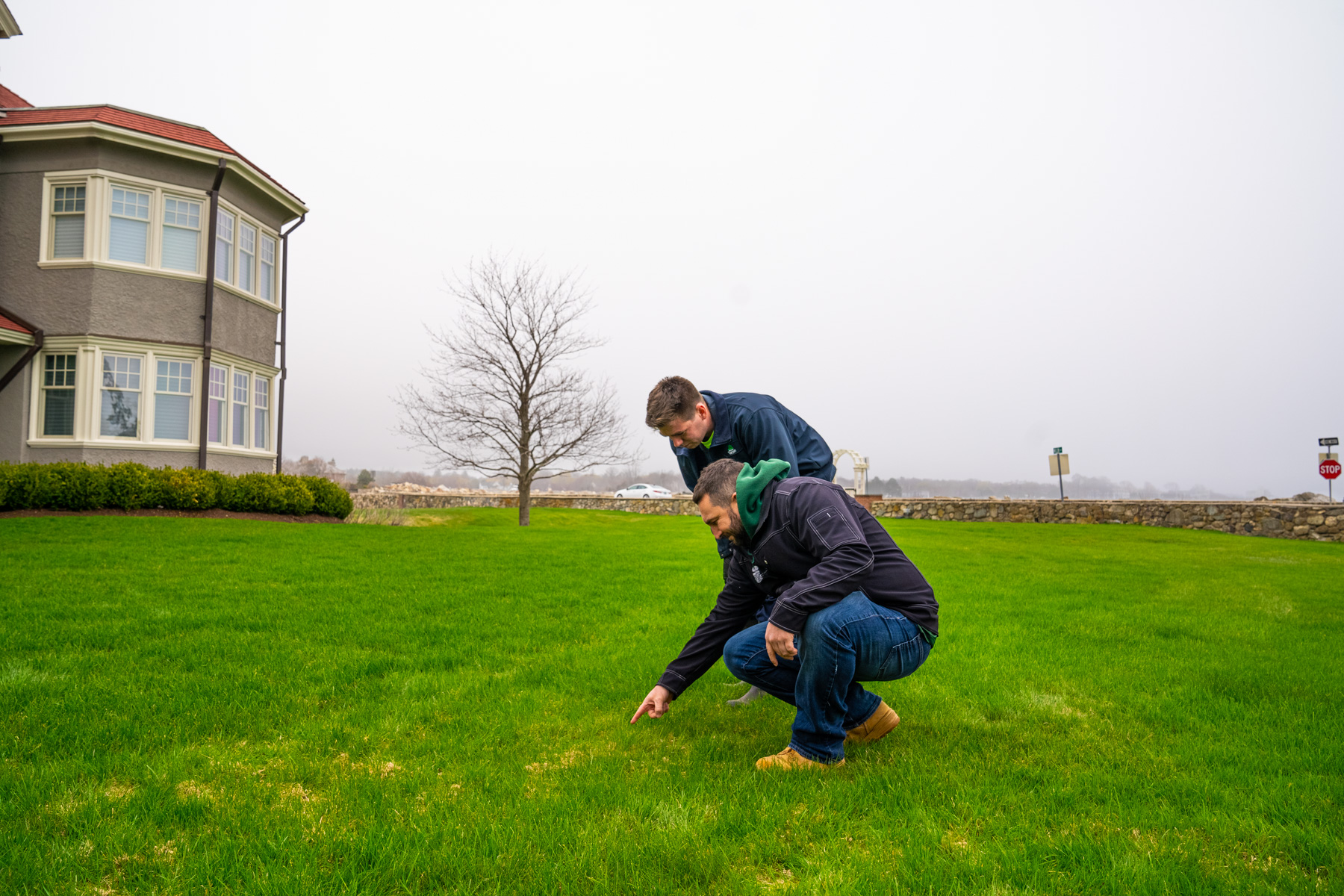
Both lawn bug damage and fungus damage can be incredibly frustrating. And since they both can cause brown patches and other lawn damage, it can sometimes be challenging to tell these two problems apart…especially to the untrained eye.
In this article, we’ll talk about insect and grub damage vs. fungus, and some ways that you might be able to spot the difference.
Jump to:
How To Identify Lawn Fungus
How To Identify Lawn Bug Damage
Why Proper Diagnosis Matters
FAQs About Lawn Insects vs. Lawn Diseases
Choosing Lawn Care in Southern NH, Northeastern Massachusetts, and Southern Maine
How To Identify Lawn Fungus
There are a variety of lawn diseases that can pop up in your New England lawn. Three of the most common diseases include Red Thread, Dollar Spot, and Brown Patch. But what does lawn disease look like? The answer depends on what you’re dealing with. While many of these diseases can lead to brown patches, there are some identifiable features of each.
What does Red Thread look like?
As you might have guessed, Red Thread lawn disease gets its name because of its appearance. It shows up as stringy reddish/pink growths in the lawn. In addition to the tell-tale coloring, you might also notice that your surrounding grass blades appear ragged.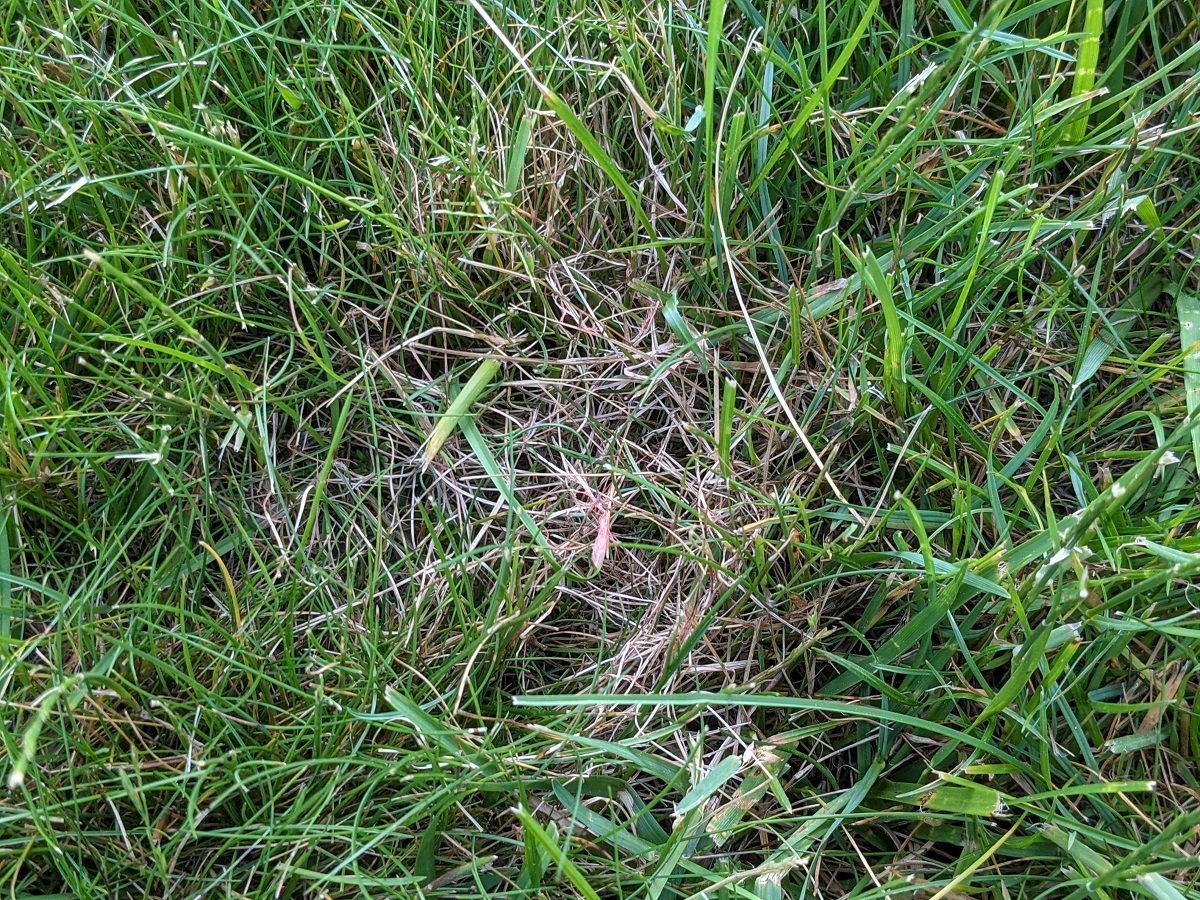
Red Thread is caused by a fungus called Laetisaria fuciformis and tends to pop up during hot, rainy periods. Like other fungal diseases, the concern is the disease spreading.
What does Dollar Spot look like?
Dollar Spot lawn disease gets its name from the greenish/yellow lesions that grow on the grass resembling a silver dollar. If you spot this disease in its early stages, these silver dollar-sized spots are the most distinguishing feature. Commonly, they have a brown ring around the spot. But in time, the spots can grow together, causing larger patches.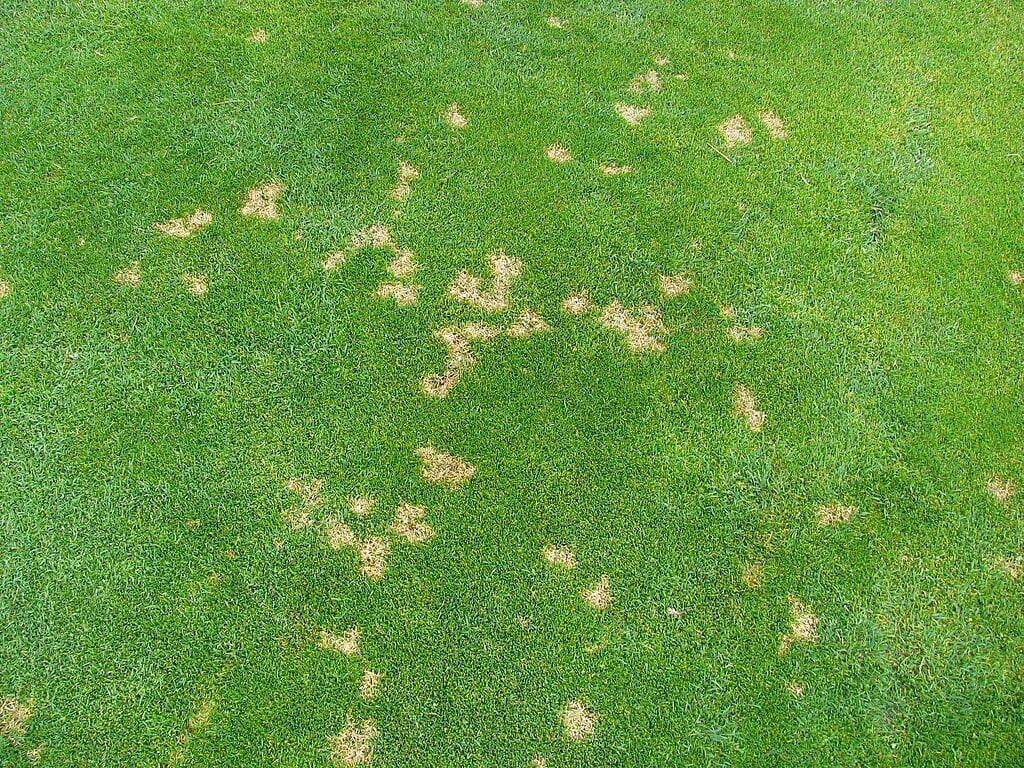
What does Brown Patch look like?
Brown Patch is named for its appearance. This disease shows up as brown patches of grass in the lawn. These patches start as small areas of brown grass but they can spread rapidly. Small brown patches can start to grow together.
Keep in mind that just because you have brown spots on your lawn does not mean you definitely have Brown Patch lawn disease. Brown spots can also show up due to pest problems and even environmental stressors (like drought).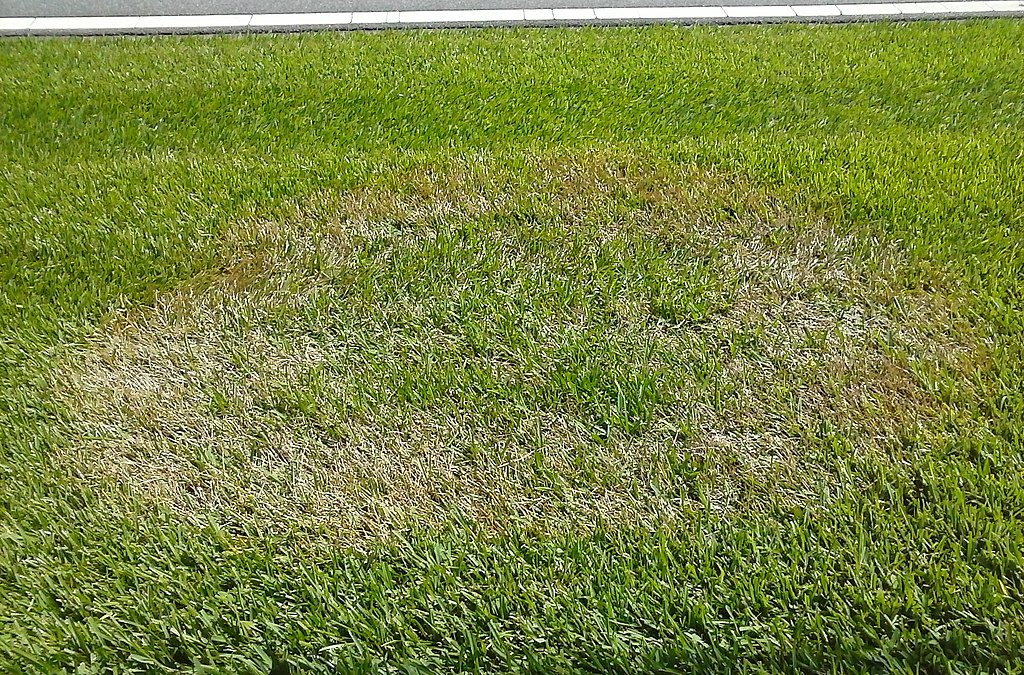
Other lawn fungi in later stages can also look like brown patches, as grass dies in these areas.
How To Identify Lawn Bug Damage
It truly can be difficult to tell the difference between lawn bug damage and fungus damage. But looking for some specific signs can give you clues.
In many cases, lawn bug damage will show up in more irregular patches, since it pops up in areas where bugs happen to be feeding. Fungus damage is usually more circular in nature.
If you were to inspect individual grass blades, they might also look “chewed,” indicating surface-feeding insect damage (though you would not see this with grubs, which are subsurface pests). With a lawn disease, individual grass blades might have lesions or discoloration.
Of course, to complicate things, there are certain lawn pests that use their piercing, sucking mouthparts to literally suck plant juices out of your grass blades. In these cases, the individual blades may change color, potentially mimicking a lawn disease.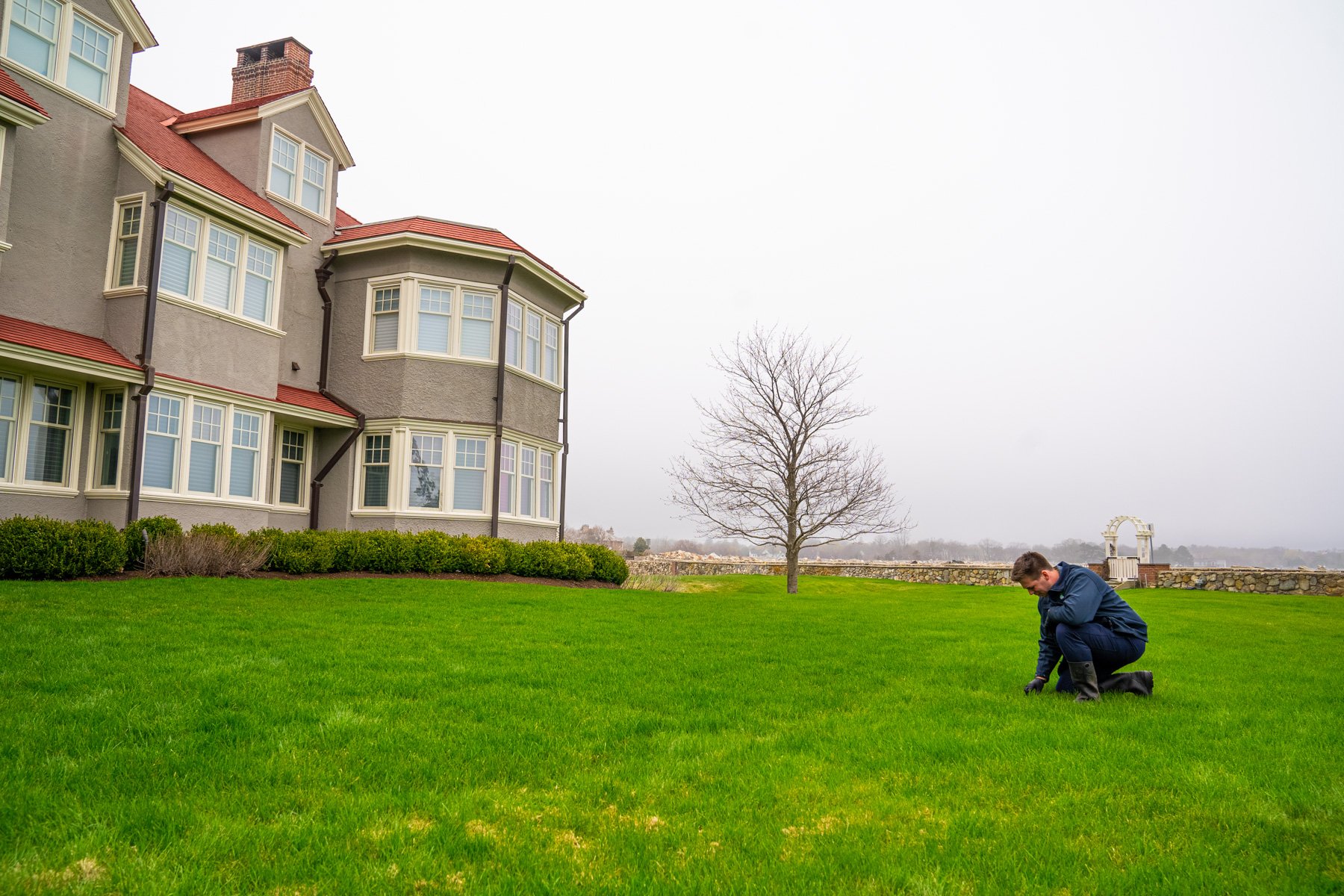
Another indicator is obviously seeing the pests themselves. Sometimes when you inspect the lawn closely, you might actually see pest activity. Pest activity often tends to happen in sunny locations.
What insects eat grass?
Exactly what lawn bug damage looks like depends on what lawn pests you’re dealing with. Just like lawn diseases, there are different lawn pests that could be the problem.
Here are a few of the most common culprits.
Grubs
Grubs are pests that feed on grass roots. Grub damage typically shows up as irregular dead patches in your lawn. That’s because the lawn dies off in areas where grubs have been feeding. Grub damage vs. fungus can sometimes be confused because of these brown patches.
But a telltale sign that the problem is grubs is when the lawn pulls up in handfuls or even rolls up like a carpet. This is because it’s no longer attached to the ground.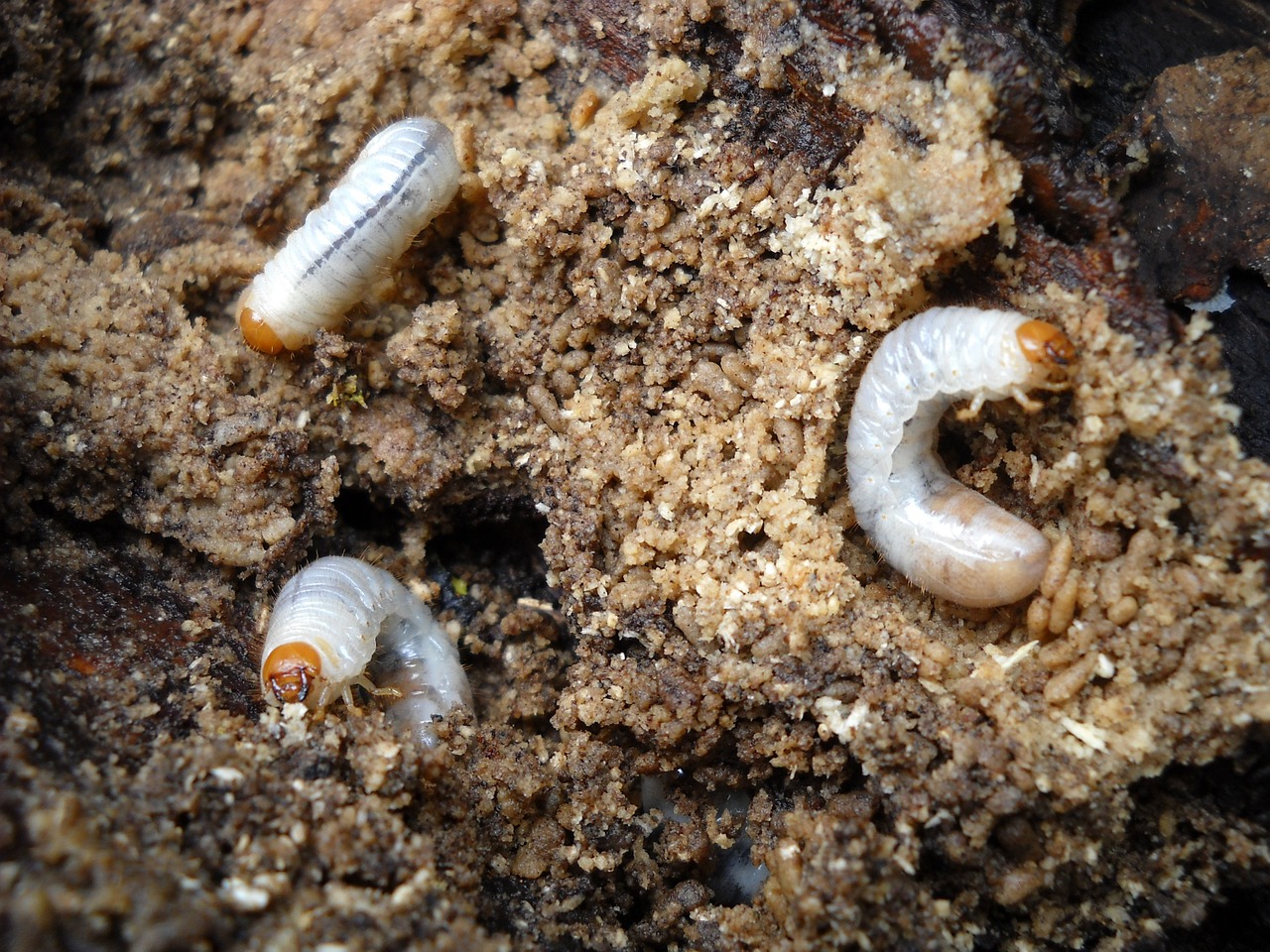
Sometimes people notice an increase in animal activity on their lawns (such as a lot of birds) when they have grubs since these animals feed on them.
If you were to get down at the ground level and pull apart the grass, you’d also likely be able to see grubs. They’re not teeny tiny.
Chinch Bugs
Chinch bugs are small pests that can kill your lawn by sucking the sap out of it. As they do this they also release a toxin that can cause the grass to turn yellow and wilt. They tend to thrive during the summer when the lawn might already be struggling from drought-stress.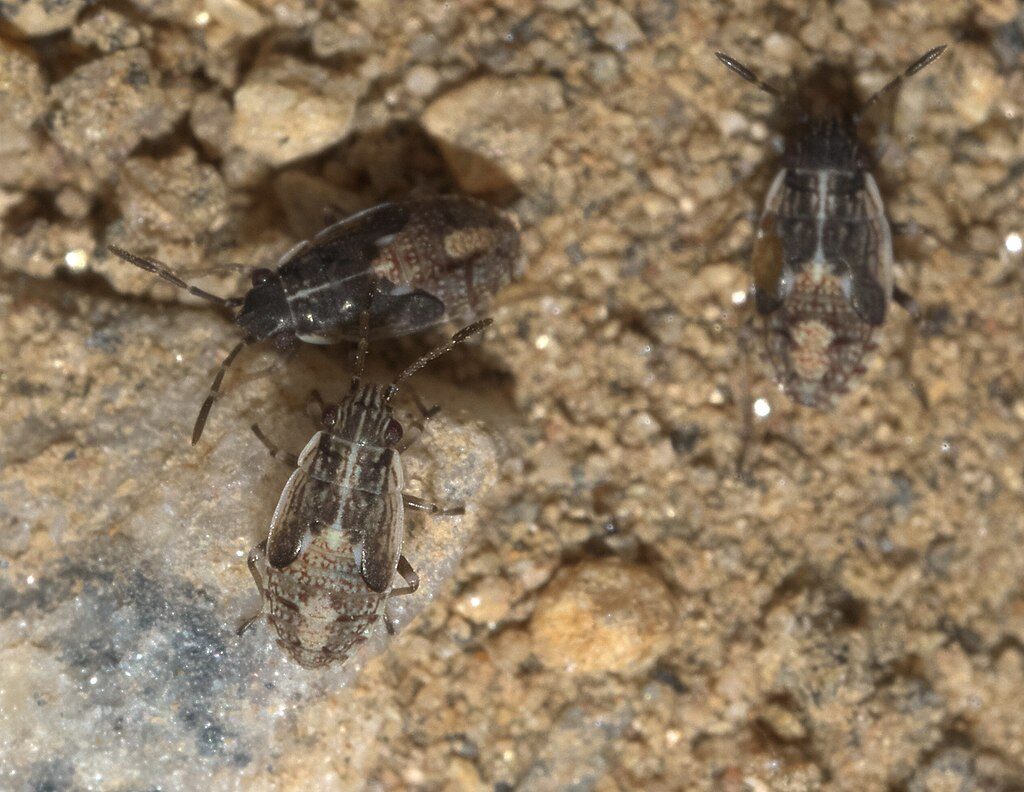
Cutworms
Another grass-eating bug is the cutworm, which is the caterpillar stage of many moth varieties. Cutworms get their name because they “cut down” many young grass plants.
These pests also like to hang out and hide in layers of thatch. When they do come out to eat, they will feed on the grass blade close to the soil.
Sod Webworms
Sod webworms, also sometimes called “lawn moths,” are lawn pests that love to feast on grass. Most of the feasting tends to occur at night as these pests will hide during the day.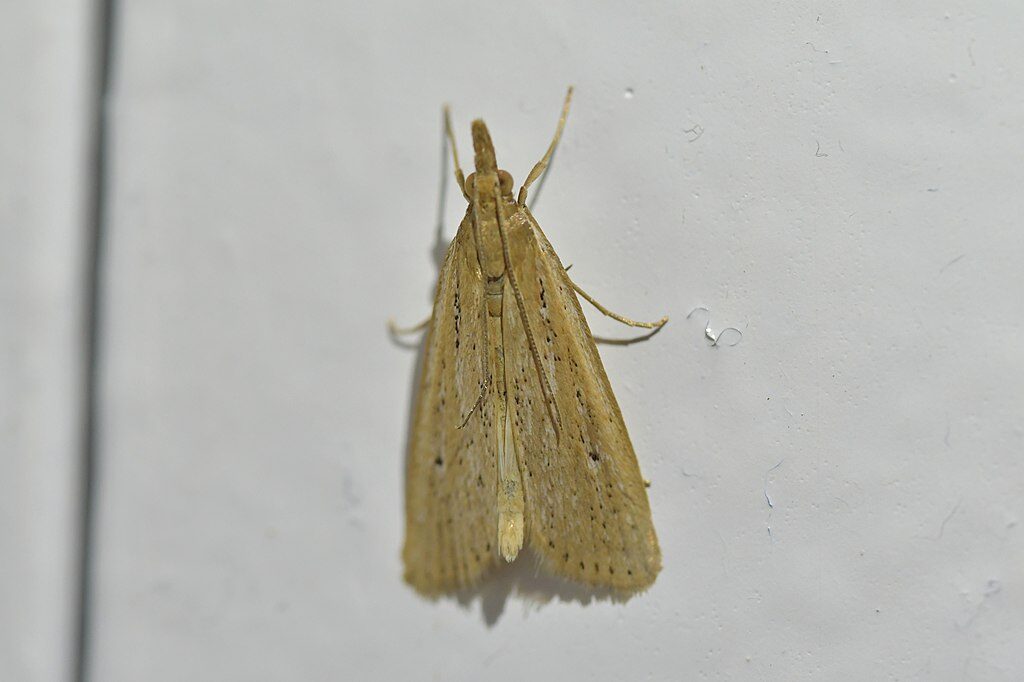
The worst sod webworm damage tends to show up in July and August. During this time, larvae chew off leaves and stems just above the crown. As this pest grows, they start eating more, and the damage may become more severe.
Why Proper Diagnosis Matters
Whether bugs are killing grass or you’ve got a lawn fungus spreading, you want to get a proper diagnosis of what’s going on. That’s because these two problems are treated differently.
In fact, there are even different approaches depending on what type of lawn pest or lawn disease you’re dealing with, making proper diagnosis imperative.
The proper diagnosis will help set you on a path to treatment success.
But we understand that these issues are complicated. That’s why it’s so important to bring in a professional eye.
A lawn care professional is going to be able to spot the differences between lawn insects vs. lawn diseases, even when they’re subtle. They’re also trained to identify problems early, which is critical when it comes to saving your lawn.
FAQs About Lawn Insects vs. Lawn Diseases
We know that anytime something is wrong with your lawn that you might be feeling frustrated and want answers quickly.
Here are some of the common questions that we get about lawn insects vs. lawn diseases.
How can I tell if my lawn has fungus or grub damage?
At a glance, comparing grub damage vs. fungus can be confusing. There are similarities - including the fact that both can lead to brown spots. But usually grub damage patches are irregular, occurring only where grubs are feeding. Brown Patch lesions tend to be more circular (or ring like).
With grub damage, the roots may no longer be intact, so the grass may easily pull up. With fungus damage, the roots are likely still fully intact.
Can I treat lawn fungus myself?
There are lawn fungus treatment options that you can purchase on your own, but in order to get the best results, you might want to consider investing in professional treatments.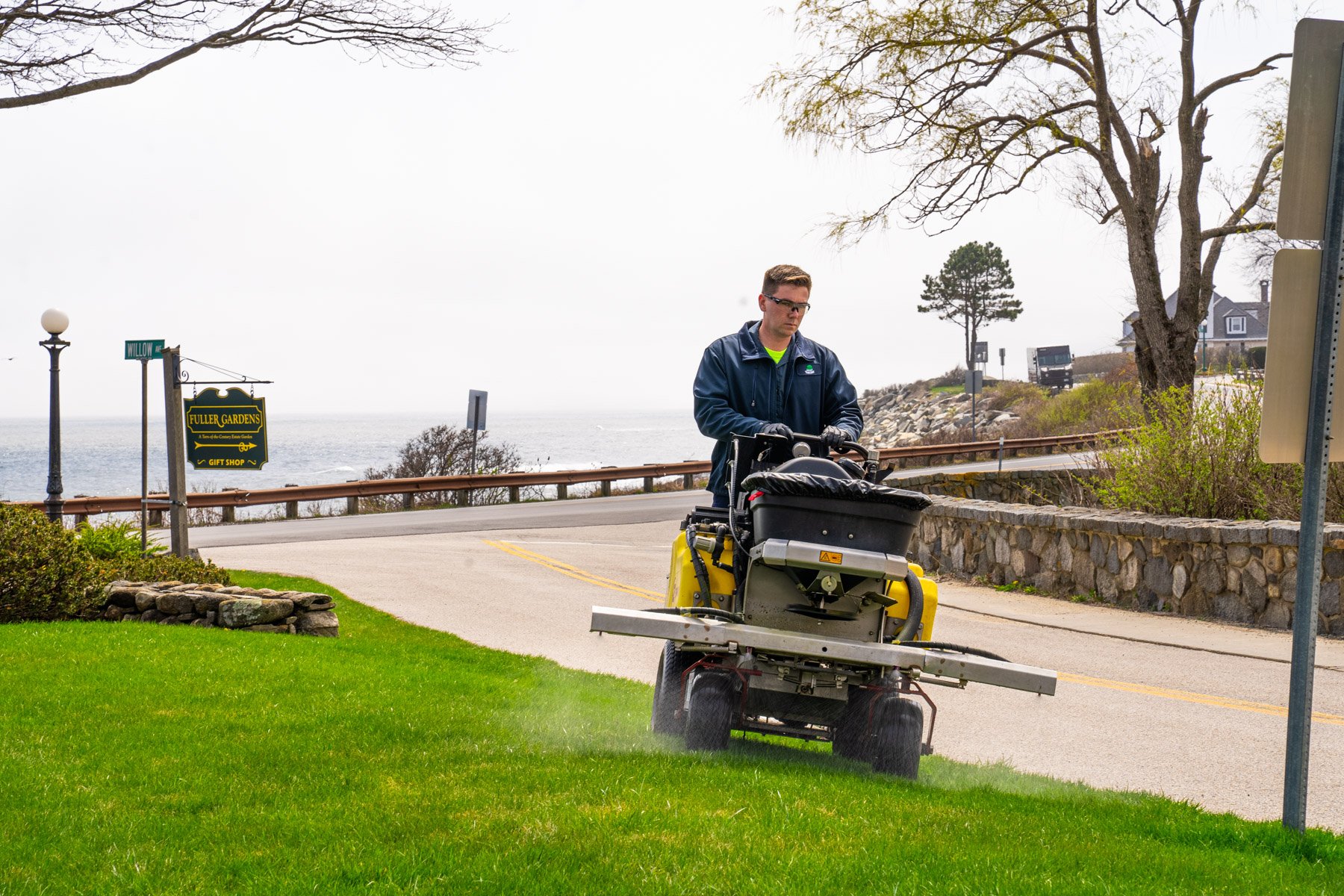
There are certainly times when lawn fungus problems will correct themselves. In other words, not ALL signs of lawn disease require treatment. A minor case of fungus might actually clear up on its own if your lawn isn’t really struggling.
However, if you have a severe case and it is spreading, then fungicides might be warranted. A lawn care pro can use commercial-grade products that will help stop fungus growth.
Will my lawn recover from disease or insect damage?
This depends on the severity of the damage. But in many cases, your lawn will bounce back from bug damage or fungus damage. In areas where grass has died off, you may need to consider grass restoration efforts.
Areas that have already been impacted and do not bounce back may require repairs like aeration and overseeding to fill in bare spots.
What insects eat grass in New England?
There are many potential insects that eat grass (or its roots). Some that we deal with most often include cutworms, sod webworms, grubs, and chinch bugs.
Choosing Lawn Care in Southern NH, Northeastern MA, and Southern ME
Partnering with a lawn care professional is going to help you deal with whatever lawn care problems might arise. That includes lawn pests, diseases, and much more.
At Seacoast Turf Care, we want to be your partner in success. We know that a healthy lawn is important to you and we want to help. We provide lawn care services in Southern NH, Northeastern Massachusetts, and Southern Maine.
While lawn diseases and pests are sometimes inevitable, when you are already partnered with a pro, you can feel confident that they are looking out for the health of your lawn. The earlier that trouble is spotted, the better.
Lawns can be a lot of work, but you don’t have to do it on your own. When you choose to partner with a lawn care professional, you can let go of the burdens and simply get back to enjoying your lawn.
Want to learn more about what makes us a great choice for your lawn care needs? At Seacoast Turf Care, we service NH towns near Stratham, North Hampton, Exeter and many more. Get lawn care pricing for your Southern NH, Southern Maine, or Northeastern Massachusetts property.
Image Sources: dollar spot disease, brown patch disease, chinch bugs, sod webworm moth
Ready to get the lawn you've been wishing for?
