
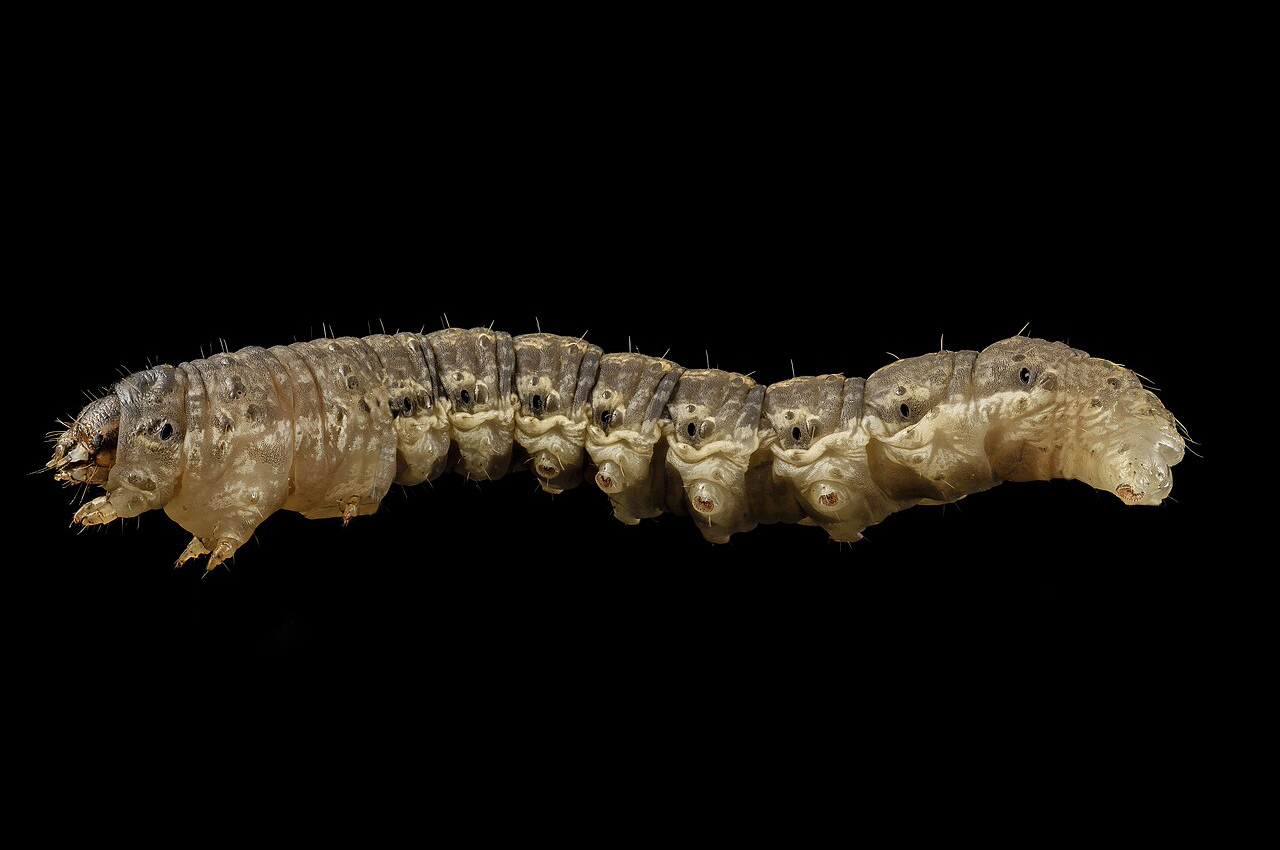
Are you finding black worms in the grass? If so, this usually points to either cutworms or armyworms, both of which can be damaging to your lawn.
In this article, we’ll focus on cutworms in the lawn including how to identify them and what you should do if you find these pests.
Jump To:
What are Cutworms?
Signs of Cutworms in Your Lawn
Cutworm Lawn Damage vs Other Pests
How to Get Rid of Cutworms
Cutworm Prevention Tips
FAQs on Cutworms
When to Call the Pros
What are Cutworms?
Cutworms are the larvae of several night-flying moth species. There are various species of cutworms, with the most common in New England being the black cutworm. Cutworms get their name because they “cut down” the grass blades as they eat.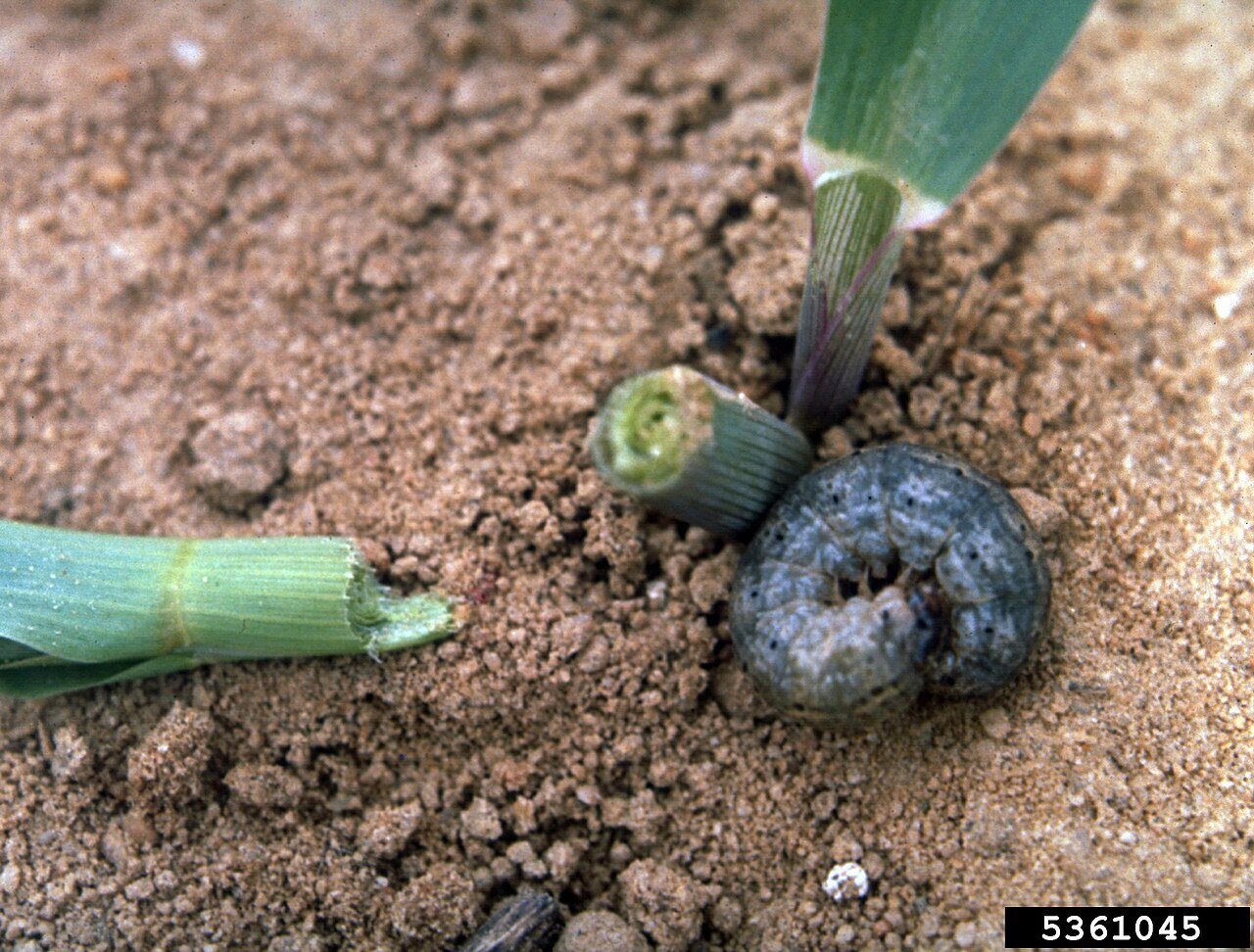
These pests also like to hang out and hide in layers of thatch. When they do come out to eat, they will feed on the grass blade close to the soil.
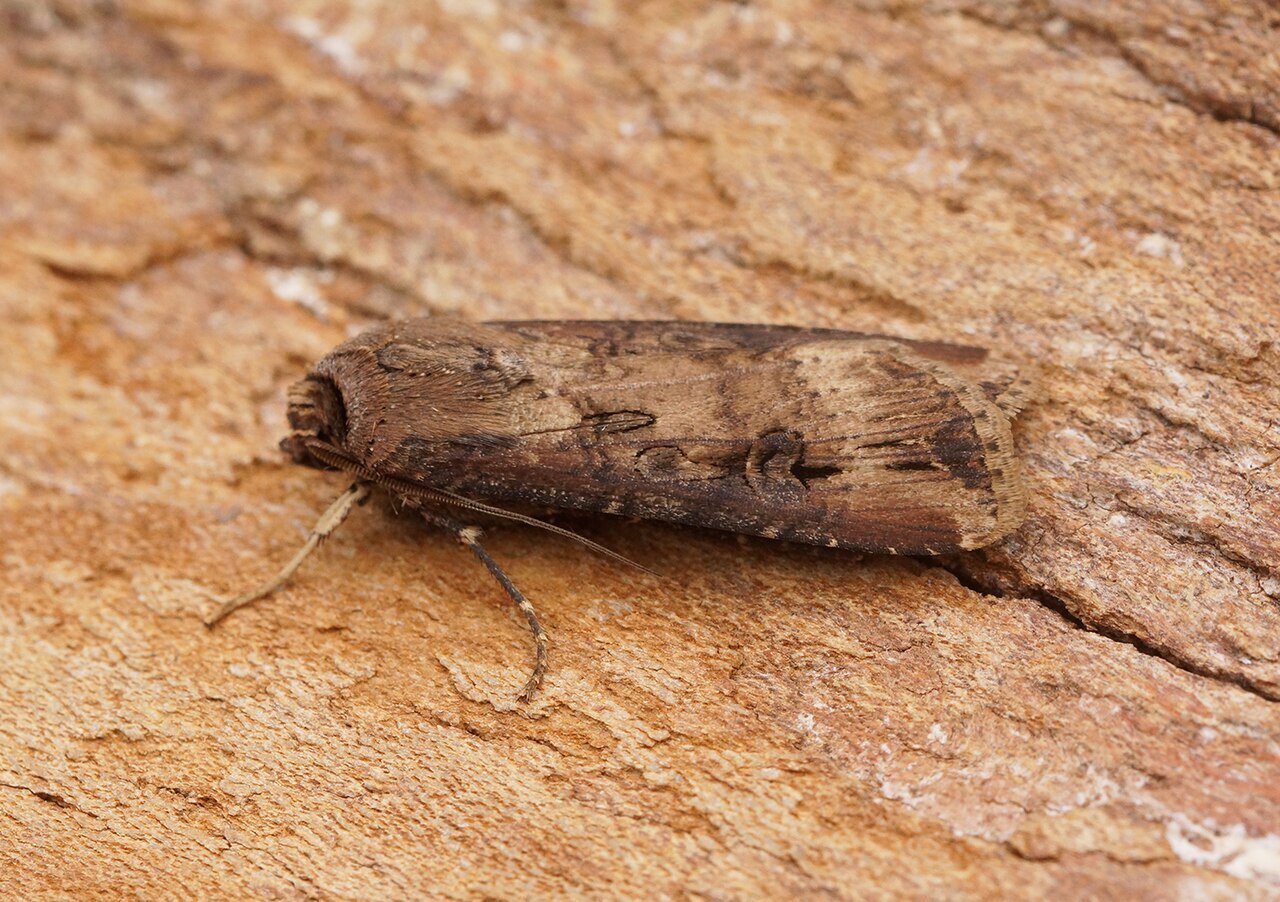
According to the UMASS Extension, the black cutworm has a band of dark brown scales in the midsection of the front wing and has a dagger-shaped marking on the outer edge of a kidney-shaped spot.
Signs of Cutworms in Your Lawn
Here are some potential signs that you might have cutworms in your lawn.
-
Circular “divots": Pockmarks or the appearance of divot-like holes on the lawn might be areas of thinning turf where you’re experiencing cutworm lawn damage.
-
Severed blades: If you look at these divots closely, you might actually notice the severed blades. One big difference with the way that cutworms feed versus other lawn pests is that they cleanly “cut” the blade, hence their name. It is usually cleanly severed close to the soil.
-
Green excrement: In examining the divots, you might also notice green pellet-like droppings left behind by these pests.
-
Increased bird activity: Since birds consume cutworms, a sudden influx of bird activity could mean you have an infestation. Of course, birds also consume grubs and other pests so this is not isolated to just cutworms in the lawn.
-
Moth activity: Since cutworms are the larvae of moths, increased moth activity can obviously mean you’ve had cutworms in the lawn.
Cutworm Lawn Damage vs Other Pests
If you have damage to the lawn, you might be wondering if it is cutworms or another pest. There are definitely some key differentiators that you can pay attention to. Let’s look at a few common New England lawn pests and how they might differ from cutworms.
Cutworm vs. armyworm
Whereas cutworm lawn damage tends to show up as divots that are circular in nature, armyworms can actually leave behind stripes of stripped turf areas as they move in a line. Armyworms are a lot faster moving and the damage can pop up almost overnight. They also move in very large groups, which also contributes to more significant damage.
While black worms in the grass could potentially be either cutworms or armyworms, the timing also matters. Cutworms are much more likely in the spring and early summer whereas armyworms are more active in the mid-to-late summer.
Cutworm vs. chinch bug
Chinch bug damage shows up much differently than cutworm lawn damage. Since chinch bugs suck the juices out of grass blades, the damage shows up as yellow spots (they do eventually turn brown). But the blades will not be clipped off as they would when it is a cutworm consuming the grass.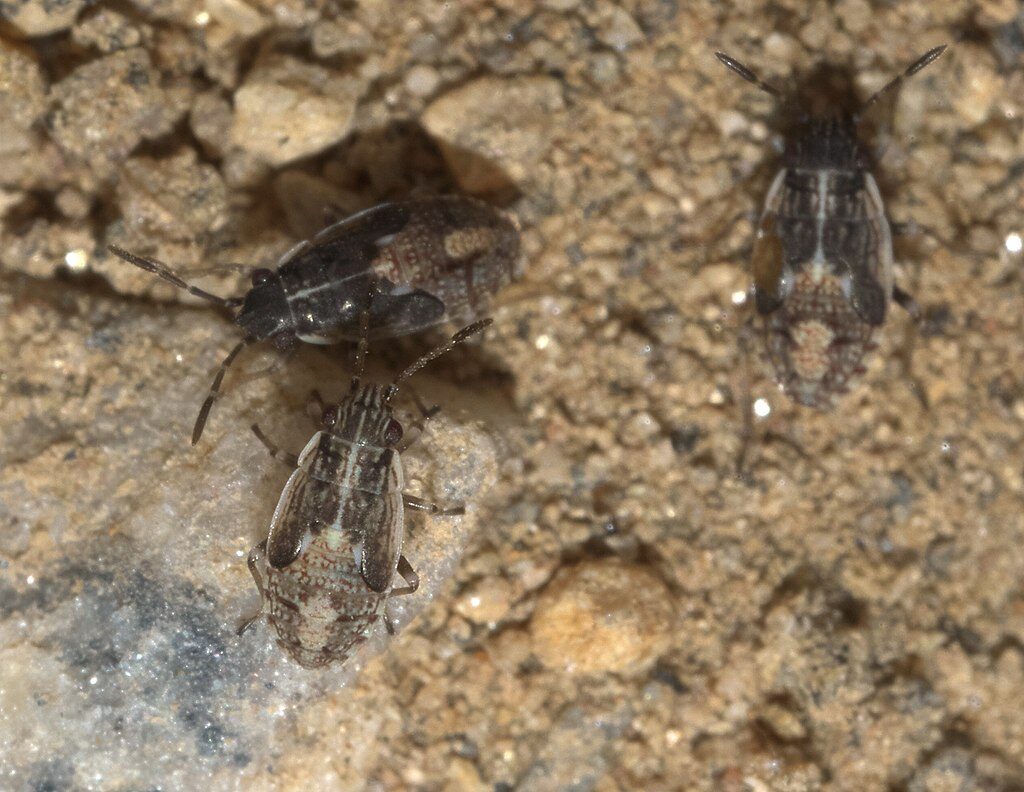
Cutworm vs. lawn grub
Lawn grubs are sub-surface level feeding pests that are consuming grass roots in their entirety. As grass dies in these areas, it leaves behind large brown patches of dead turf. The lawn might actually “roll up” like a carpet since it is no longer attached to the ground.
Cutworm vs. sod webworm
Both of these pests are caterpillars that feed at night so even though they do not look alike, it’s easy to mix up which pest you might be dealing with. But whereas cutworms “cut” grass blades cleanly when they feast, sod webworms leave behind grass that looks chewed and ragged.
The timing is again different, as cutworms peak in spring and early summer whereas sod webworms are usually active July through September.
How to Get Rid of Cutworms
First and foremost, you need to figure out if your problem is actually cutworms in the lawn. At a glance, cutworm damage can definitely resemble other lawn problems including damage from other types of pests or even diseases.
If it is determined you do have cutworms, then the next steps will depend on whether it’s a small, localized problem or something more widespread.
In many of the cases that we see, it is not a full-blown infestation. If cutworms are present in landscaped areas, sometimes they can simply be manually picked off of plants by hand.
But if you have cutworms in the lawn, you might want to implement cutworm control products.
At Seacoast Turf Care, we do have products that can address cutworms but we only treat them as needed. That’s because cutworm problems don’t occur regularly in the Seacoast region and we don’t want to charge you for services you don’t need. If they are identified, we’ll deal with them quickly.
Going forward, there are also some cutworm prevention steps you can take to prevent future problems.
If you did already experience cutworm lawn damage, then you might need to implement repairs. Aeration and overseeding can help to fill in any areas that were thinned out by these pests.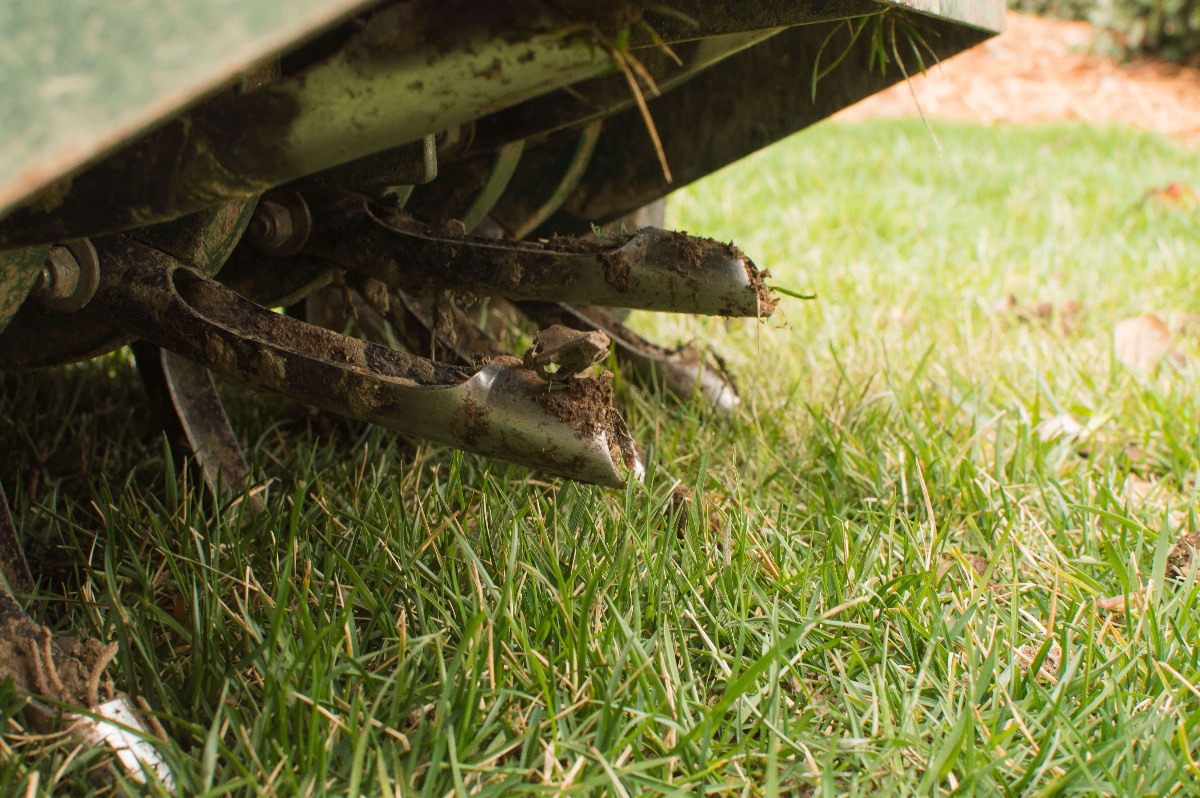
Cutworm Prevention Tips
While no pest can be completely prevented, there are steps that you can take to mitigate your risk.
Get rid of thatch
Cutworms are a pest that likes to hide during the day, and they tend to hide in the thatch layer if you have it. Chinch bugs also like thatch. This layer provides warmth, shelter, and a steady food supply. Keeping up with aeration can help minimize thatch.
Mow properly
Keeping up with mowing is also important. When grass gets too long, it provides a great hiding spot for cutworms. While you definitely do not want to let grass get overgrown, you also want to avoid cutting it too short as this will put it under tremendous stress, especially in the heat of summer.
Avoid nighttime moisture
Moist nighttime conditions tend to favor cutworm activity. Damp conditions provide ideal conditions for movement. While you obviously can’t do anything about rain, it’s always best to avoid watering the lawn in the later afternoon or evening.
Watering at night can also set it up for problems with lawn fungus since it will grow and spread when the lawn is wet.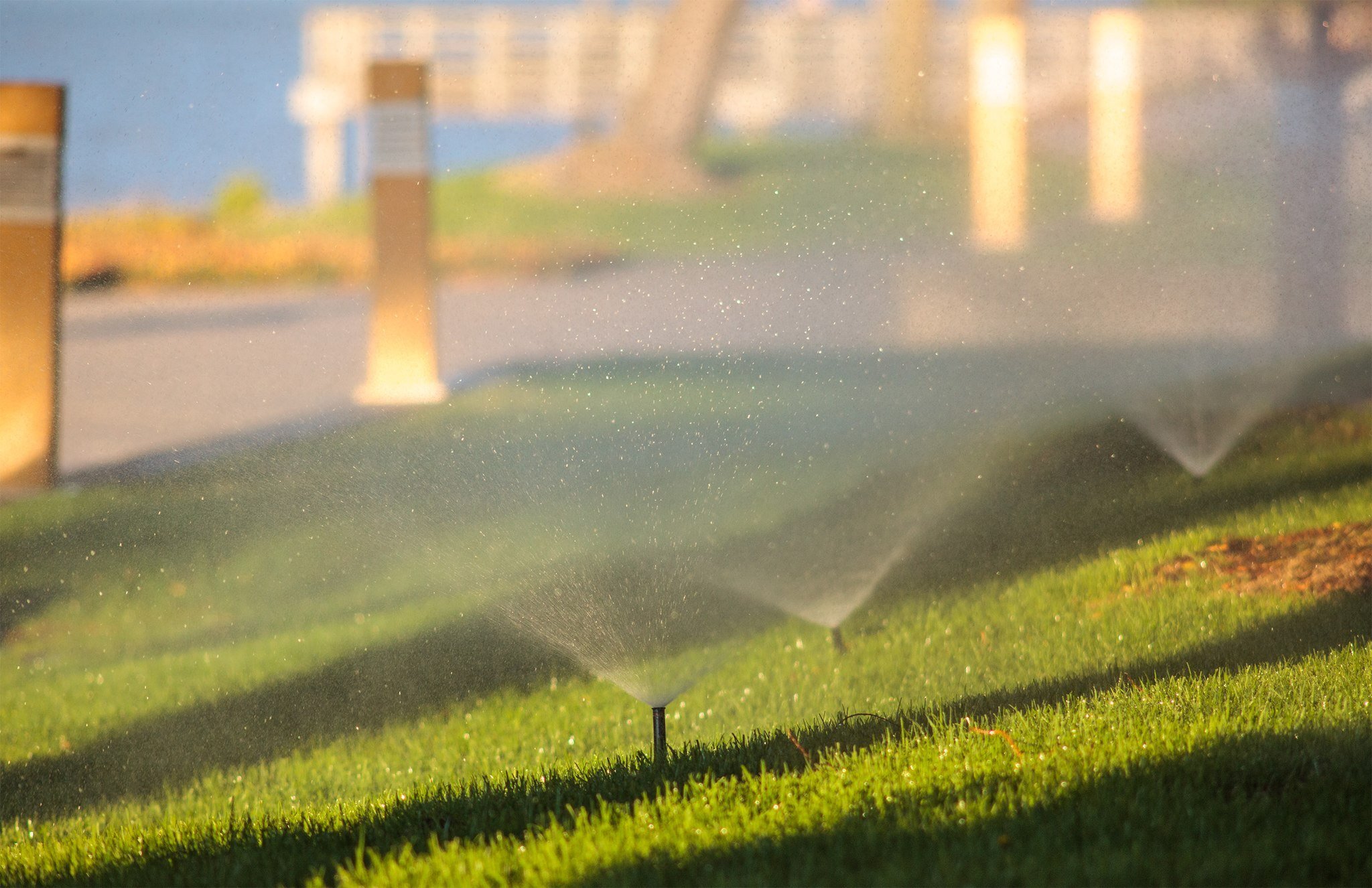
FAQs on Cutworms
Before we wrap up this article, let’s cover a few commonly asked questions.
What time of year is cutworm damage most common?
Cutworm lawn damage is most common during the spring and early summer. May and June are the two peak months for cutworm activity.
What is the difference between cutworms and other lawn pests?
Cutworms are one of just many different types of lawn pests that can pose problems for New England homeowners. Other common lawn pests include grubs, chinch bugs, sod webworms, and armyworms.
Different lawn pests can cause lawn damage in different ways. For instance, cutworm lawn damage tends to show up as divots in the lawn, in areas where they have been feeding. Different pests can also be active at various times of the year.
How can I prevent a cutworm infestation?
There is no 100-percent surefire way to prevent cutworms in your lawn. Pests show up sometimes, even despite your best efforts to keep them away. But there are still steps you can take to mitigate your risk.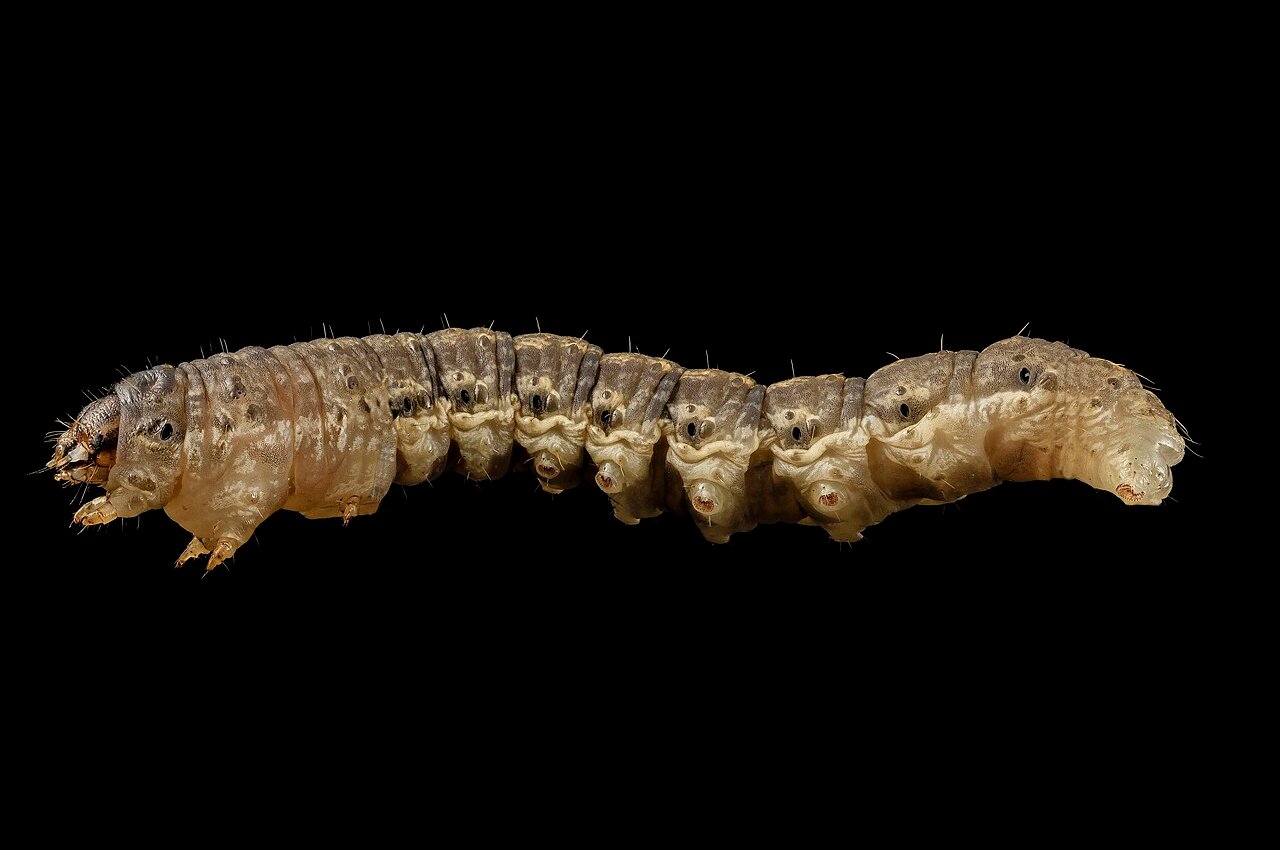
You can reduce your thatch layer, mow properly, and avoid watering at night. Maintaining a healthy lawn will also help it stand up to problems like lawn pests and diseases.
Can I treat cutworms in my grass on my own?
Whether or not you can handle cutworms on your own will depend on the severity of the problem. A few cutworms is not a big deal. For instance, homeowners might find a handful of cutworms on some landscape plants and can just pick them off.
But cutworms in a larger section of turf might be best handled with cutworm control products applied by a pro. One of the huge benefits of working with a lawn care pro is that they’ll always be watching for signs of lawn problems, including pest infestations. Different pests require different treatments, so an expert diagnosis is important.
When to Call the Pros
In general, we feel it’s always best to have a partnership with a lawn care company that can be keeping a watchful eye on your property while also performing valuable services like fertilization, weed control, and pest control.
Even though spotting a cutworm is not any reason to panic, it always helps to already be working with a pro that can identify what you’re dealing with and how to best treat it. That also goes for any other lawn problem that might arise!
When it comes to shopping for lawn care in Southern NH, Northeastern MA, and Southern ME, you have lots of choices.
Keep in mind as you do your research that shopping on price alone can be risky. As with most things in life, you tend to “get what you pay for.” That means if you just choose the cheapest price out there, you might not be getting the best results or service.
Instead, choose the lawn care company that you feel is committed to getting you both the best results AND the best service. When you do this, you can truly hand over your worries and get back to enjoying your lawn.
Want to learn more about what makes us a great choice for your lawn care needs? At Seacoast Turf Care, we service NH towns near Stratham, North Hampton, Exeter and many more. Get lawn care pricing for your Southern NH, Southern Maine, or Northeastern Massachusetts property.
Image Sources: black cutworm, cutworm larvae, cutworm moth, chinch bugs, sprinkler
Ready to get the lawn you've been wishing for?