

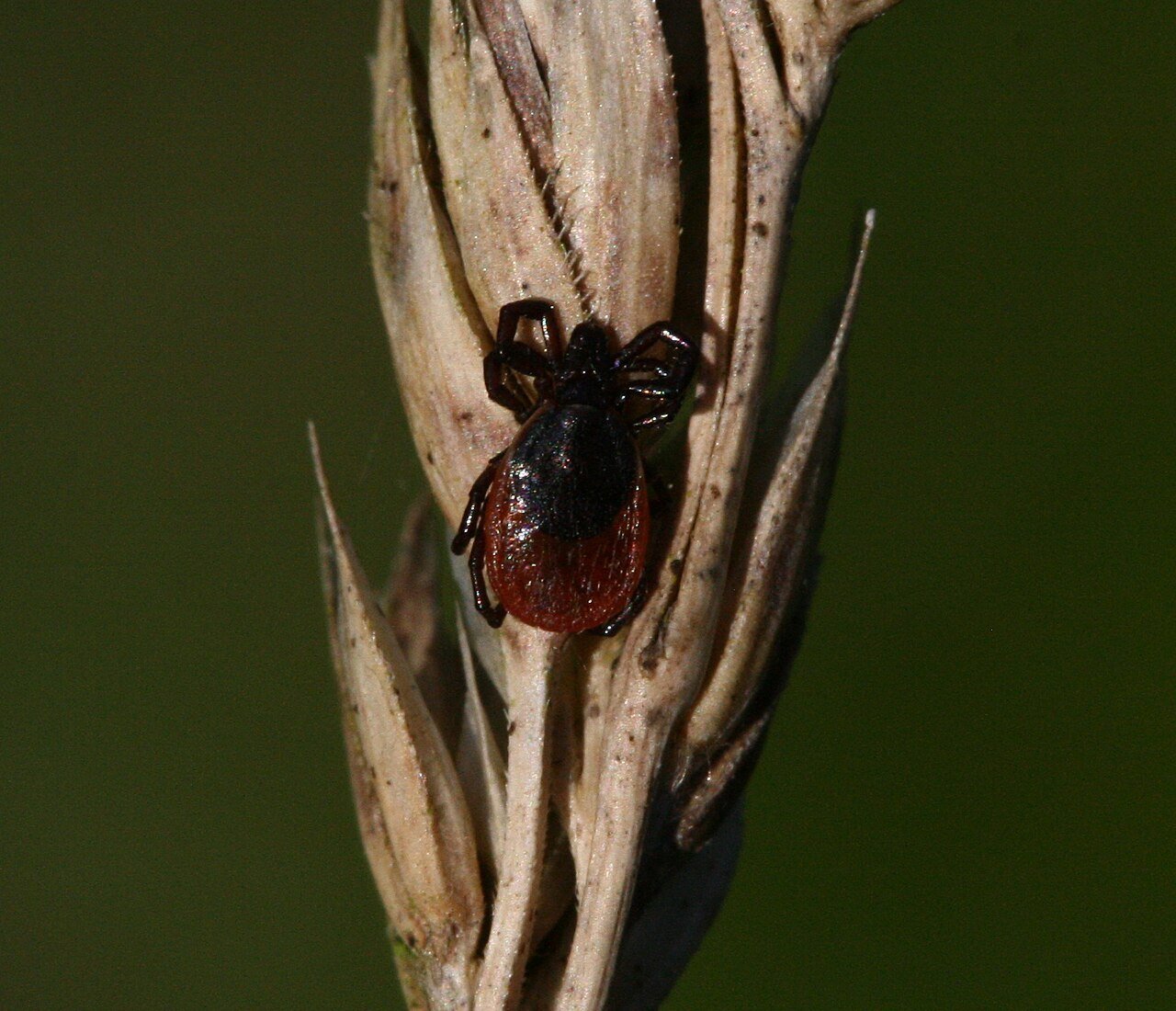
Ticks in New England are more than just a nuisance. They are a serious public health threat. Unfortunately, our region is known for some of the highest rates of tick-borne illness across the country.
While it’s true that fields and woodlands are prime tick habitats, the truth is, that many people do end up with tick problems at their own home. If you have a property that borders a woodland area, you’re obviously more at risk. But even suburban residential properties wind up with ticks that are dropped from passing animals.
We understand that effective tick control strategies are very important to protect your family. In this article, we will dive into how to keep ticks away.
Jump to:
Why is Tick Control So Critical in the Seacoast Region?
Do DIY Tick Control Strategies Work?
How to Keep Ticks Away
Why Professional Lawn Tick Control is Imperative
FAQs on Tick Control
Choosing Tick Control in Southern NH, Northeastern MA, and Southern ME
Why is Tick Control So Critical in the Seacoast Region?
Our region is particularly prone to problems with ticks, making tick control especially critical. There are some key reasons why this is so important.
-
Regional habitat: In general, our many wooded areas make ticks more prevalent in the region. There has also been increased development in wooded areas, creating more edge habitat zones where human and tick interaction is prevalent.
-
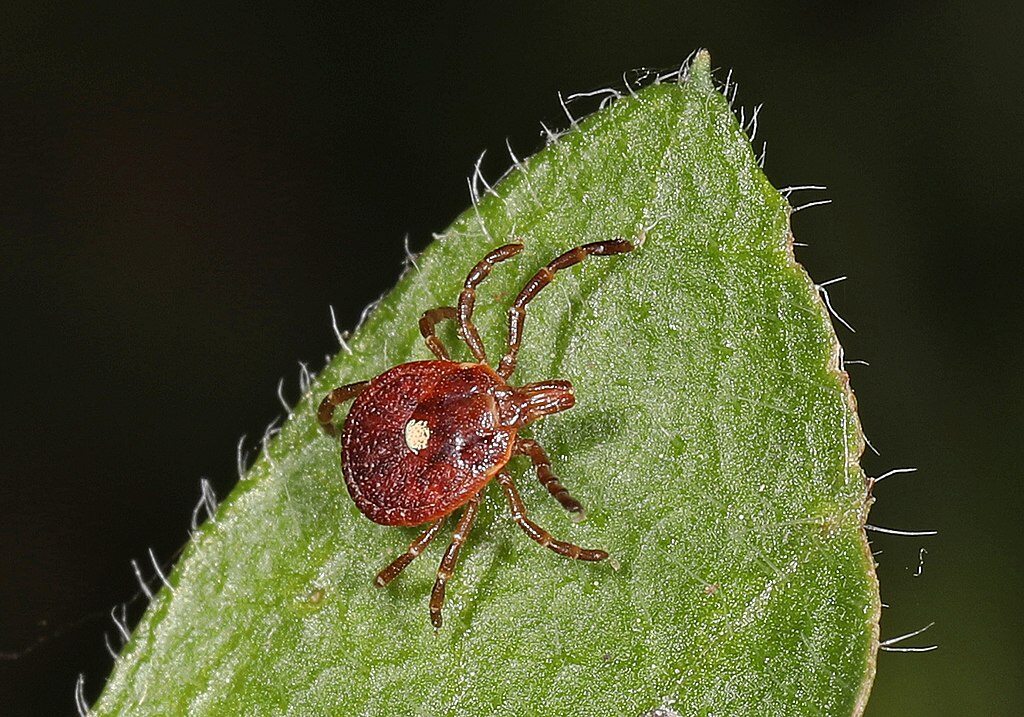
New tick species: We also have several common tick species in our region, with the Lone Star Tick gaining increased prevalence. The Asian Longhorned Tick has also been moving into the region.
-
Climate: Our winters generally becoming more mild has also increased the length of tick season, making tick control even more essential.
-
High number of reported tick-borne illness cases: Tick-borne disease prevalence in our region is also high. Across the United States, we carry some of the highest numbers. Cases of Lyme Disease always seem to be on the rise.
Do DIY Tick Control Strategies Work?
There are some steps you can take on your own to tick-proof your yard. But keep in mind that some DIY strategies are going to be more effective than others.
Here are some of the common DIY tick control approaches that we find to be highly ineffective - especially when compared to professional treatments.
Plants That Repel Ticks
One approach that homeowners take to tick-proof their yard is to install tick-repellent plants. Plants like lavender, mint, and rosemary have natural compounds that are supposed to repel ticks.
Unfortunately, this is not a highly effective strategy and certainly not one that you should rely on alone. It would be fine to install these plants in your yard, but we would not do this in place of other more effective strategies.
Homemade Tick Repellents
Some homeowners also attempt to use homemade tick sprays made from essential oils to keep ticks away. Concoctions using ingredients like apple cider vinegar, baking soda, and garlic are also common.
Unfortunately, these types of products are usually not strong enough to effectively keep ticks out. Ticks are parasites that are always in search of their next blood meal to stay alive. You’ll need something stronger to be effective against them.
Store-Bought Tick Control
There are also store-bought tick control products that can be purchased and applied. While these can be more effective than any homemade concoctions, most still find that store-bought products found at big box stores are not strong enough to keep ticks out.
The quantity that needs to be applied can also be cumbersome and make it difficult to keep up with from an DIY approach.
How to Keep Ticks Away
The best way to keep ticks out involves using a combination of effective DIY efforts with professional tick control.
Let’s talk about this combination of efforts.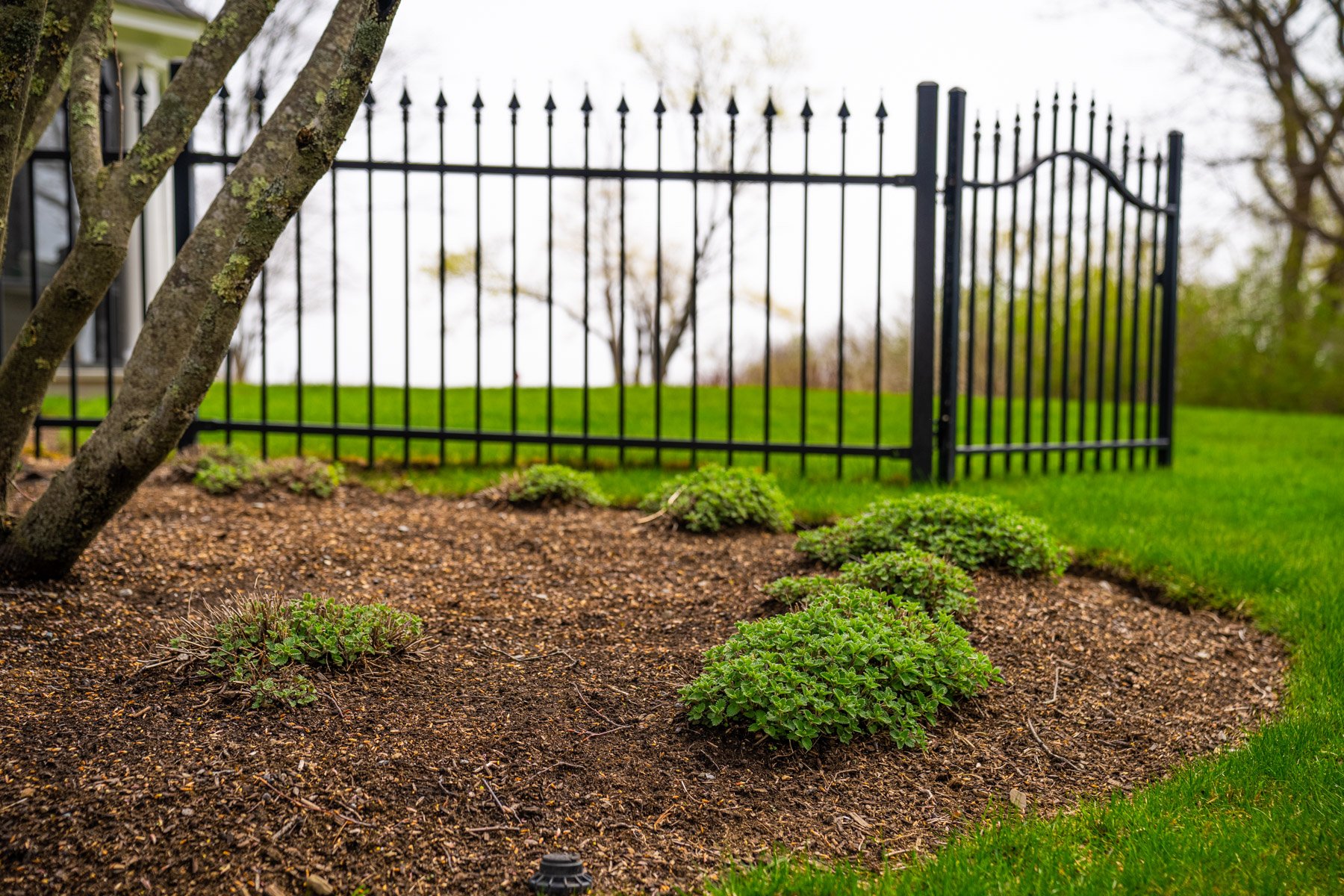
Mulch and Gravel Borders
Mulch or gravel borders can be an effective way to keep ticks away, particularly if you live in an edge habitat.
If you live somewhere that borders the woods, you can take extra steps to create barriers between the woods and your property. A three-foot wide barrier of mulch or gravel can make it more difficult for pests like ticks to travel from the woods into your yard.
Discourage Wildlife From Taking Up Residence
Since wildlife like deer, rodents, and other animals (including stray cats), are a common way that ticks wind up in your yard, you’ll want to make an effort to discourage these tick carriers from hanging around.
Here are a few ways to do that.
-
Cover your wood piles. Rodents like mice and rats frequently hang out in places like wood piles. Keep these covered to prevent them from becoming rodent hotels! Just be sure to make sure there’s still good airflow. Also, stack wood neatly so that there are not big gaps where rodents can make their nests.
-
Clear your property of debris. Clear debris that might attract rodents and other pests that like to hide out. This even includes sticks and leaves that are on the ground. Also, remove any trash that might have blown into your yard and keep a tight lid on trash cans. Anything that can become a shelter could become a rodent habitat.
-
Deer-proof your yard. Many ticks hitch a ride on the backs of deer that pass through your yard to graze. You can use physical barriers and fencing to prevent deer from passing through. You can also install landscaping that discourage deer from browsing.
Keep the Landscape Tidy
Ticks love to hide. They don’t like to be out in the open and are more likely to take up residence on your property if you’ve got a lot of overgrown landscaping and tall grasses. Keeping the lawn regularly mowed and shrubs neatly trimmed can help reduce these pest populations.
Professional Tick Yard Treatment
The steps above are important to prevent ticks in your yard. But even with your best efforts, there are still going to be some ticks that wind up on your property.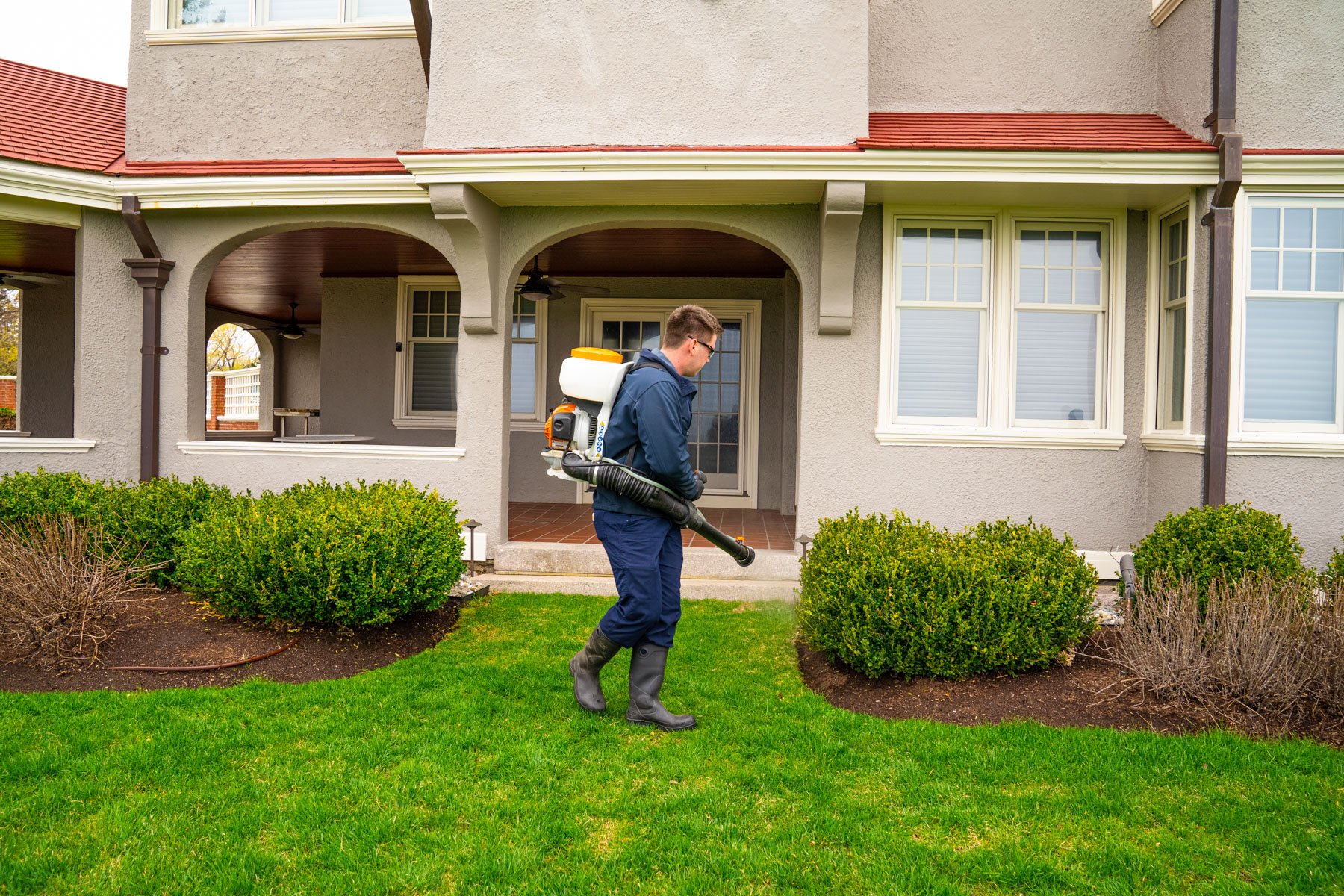
This is why you also need to use professional tick control.
The key is to target tick habitats. At Seacoast Turf Care, we use pollinator-safe treatments that can help reduce the population of ticks on your property without damaging local ecosystems.
Why Professional Lawn Tick Control is Imperative
At the end of the day, ticks are too serious of a threat to forgo tick control or to rely on DIY efforts alone.
With a pest as dangerous as the tick, it’s imperative that you’re choosing a solution that is highly effective. DIY methods and store-bought tick control products are simply not proven to be the effective solutions that you require.
It’s also a chore to apply products on your own. The product application is probably going to be more involved than you realize. Since professional tick control will involve using professional-grade products and equipment, you’re going to get better results than what you could achieve on your own. A pro will make sure they’re reaching those hard-to-reach spots where these pests might be hanging out. 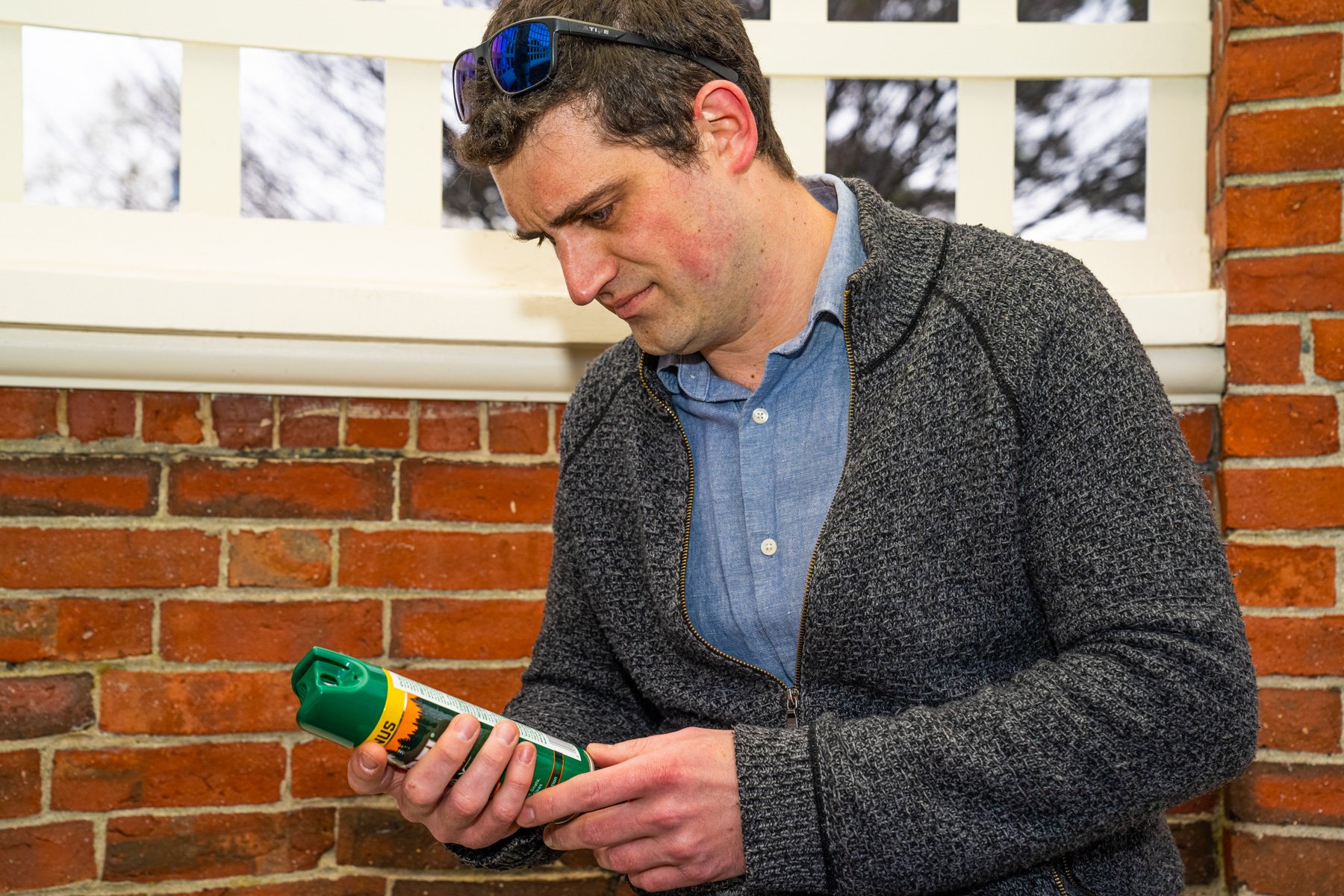
The “method of application” is important when it comes to getting good results. Plus, without knowledge of how or where to treat, you’re not as likely to have as much success as a pro.
Plus, we want to point out that your time is valuable, too. Maybe you only have the weekends to get out in your yard and work. Most likely you don’t want to spend that precious free time worrying about tick control.
FAQs on Tick Control
Here are some of our most frequently asked questions about ticks.
Are natural tick repellents as effective as professional treatments?
No, natural tick repellents (especially homemade concoctions with ingredients like dish soap and essential oils) are not as effective as professional treatments. Ticks are parasites that are constantly in search of a host for their next meal, and they require a highly effective solution to deter them. Natural repellents also tend to be short-lived and have limited periods of effectiveness.
Are tick yard treatments safe for kids and pets?
Yes, our products are eco-friendly and safe for kids and pets. When you work with a professional for tick control, one of the benefits is that you’re getting an expert who knows how to implement best practices. That means that they are applying the proper amount of product in the proper way, addressing all types of ticks that may try to make their home in your yard.
Do ticks die off in winter?
Ticks generally do not die in the winter but instead go into a dormant state called diapause. During this time they hide under leaf litter or snow cover until temperatures warm up.
Choosing Tick Control in Southern NH, Northeastern Massachusetts, and Southern Maine
We know that people are not able to get outdoors and enjoy their properties if they’re constantly being bothered by unwanted and dangerous pests like ticks. That’s why investing in professional tick control can make a huge difference when it comes to enjoying your New England property.
In the end, when you make a wise choice, you’ll no longer feel like you have to drag the kids or pets inside from playing outdoors. When you know how to get rid of ticks, you can finally enjoy more time outside.
Want to stop worrying about the danger of mosquitoes and ticks on your Southern NH, Maine, or Northeastern Massachusetts property? Get mosquito control pricing today.
Image Sources: tick on grass, lone star tick, raccoon
Ready to get the lawn you've been wishing for?
