

Your lawn is important to you. Lawn pests, like chinch bugs, can be a major source of frustration. Surface-feeding insects have been known to literally suck the life out of your lawn, so stopping them quickly is important.
In this article, we’ll help you understand everything you ought to know about chinch bugs so that you can make educated decisions early on and potentially save your lawn! The good news is that when you partner with a lawn care pro, you certainly aren’t on your own.
Jump To:
What are Chinch Bugs?
The Chinch Bug Life Cycle in New England
Signs of Chinch Bugs in Your Lawn
Chinch Bug Damage vs. Other Lawn Problems
Chinch Bug Control and Treatment Options
FAQs about Chinch Bugs
Choosing Lawn Care in Southern NH, Northeastern MA, and Southern ME
What are Chinch Bugs?
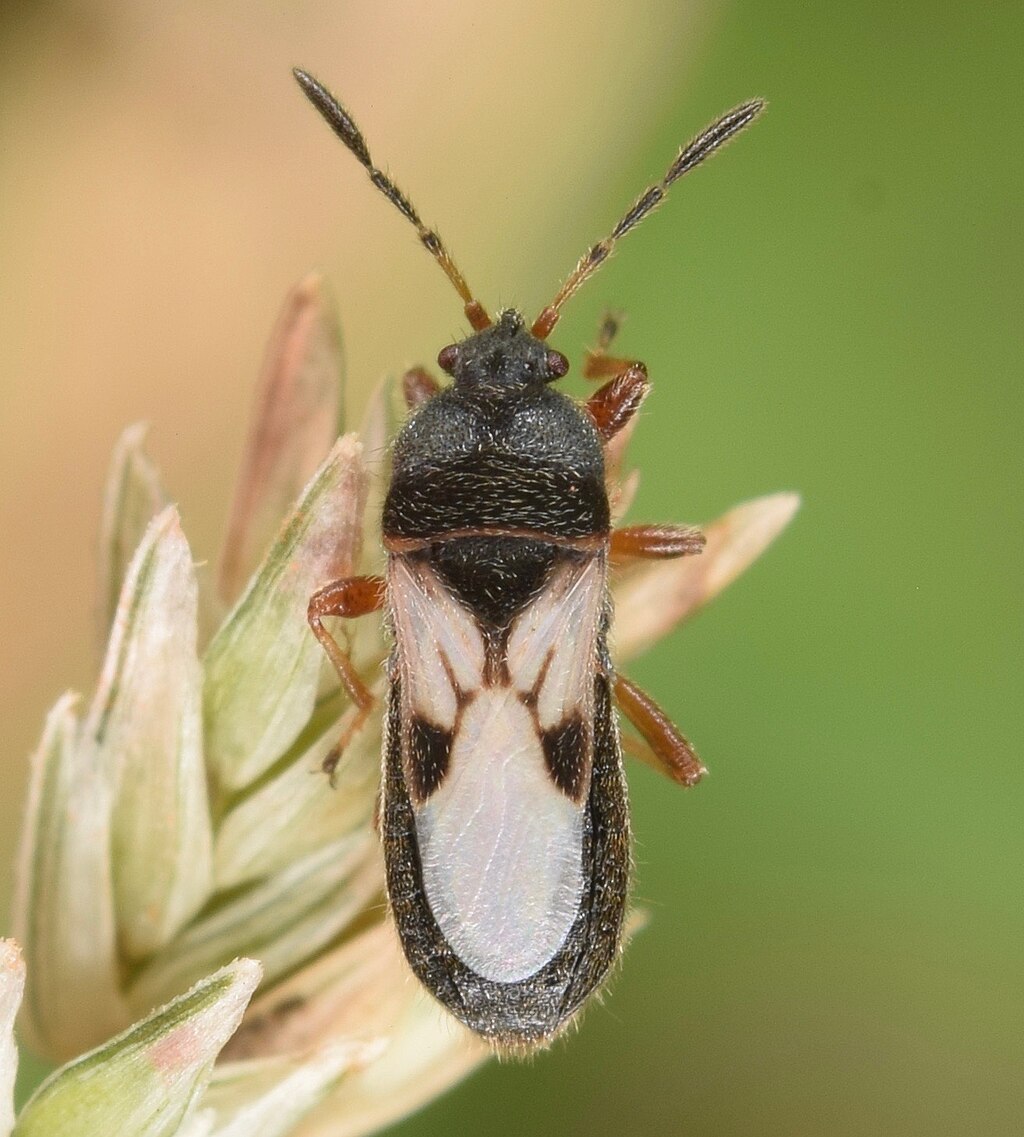
Chinch bugs are small pests that can kill your lawn by sucking the sap out of it. As they do this they also release a toxin that can cause the grass to turn yellow and wilt.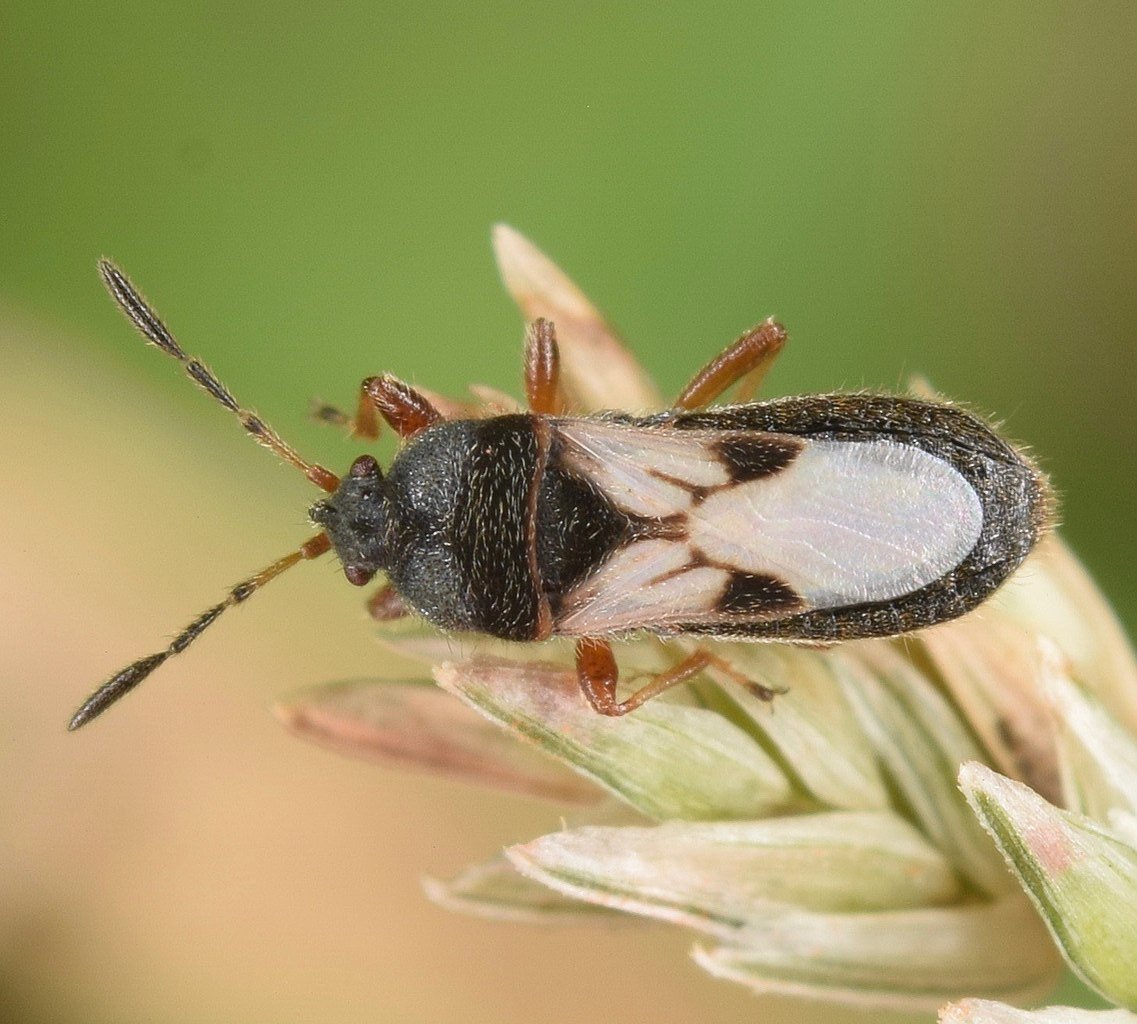
The most common type of chinch bug in New England is the hairy chinch bug. It is characterized by an almond-shaped body, unique back markings, and wings that cross.
Chinch bugs tend to thrive during the summer when the lawn might already be struggling from drought-stress. This can make the damage even more severe.
The Chinch Bug Life Cycle in New England
Chinch bugs in New England have three main stages: Egg, nymph, and adult. Let’s look at each of these stages of the chinch bug life cycle.
-
Eggs are tiny, oval, and white in color. As they mature they change from white to bright orange, right before hatching.
-
Nymphs are tiny, bright red or bright orange with a white stripe across their middle. Wings are absent during the nymph phase.
-
Adults have almond-shaped bodies. The most common chinch bug type in our region is the hairy chinch bug which has unique markings and crossing wings.
Signs of Chinch Bugs in Your Lawn
Chinch bug damage and drought stress are very commonly mistaken for one another as they have similar appearances. Let’s look at some of the common signs of chinch bugs in the lawn.
-
Early Yellowing: Grass blades will start to turn a dull yellow or even show a reddish tint as these pests suck sap and inject toxins. But yellowing can be caused by a lot of potential culprits, so further investigation will be needed.
-
Browning: Eventually, yellowed areas will dry out rapidly and turn straw-colored or brown. This is the most likely time that homeowners will mistake chinch bug damage for drought stress. These areas generally start out small but will expand and merge over time if unaddressed.
-
Unaffected Weeds: A big differentiator between chinch bug damage and drought stress is that weeds will remain unaffected with chinch bugs. That’s because chinch bugs only feed on turfgrass and will generally leave weeds alone. But weeds still need water and thus would also be seen struggling if you’re dealing with drought.
Chinch Bug Damage vs. Other Lawn Problems
As we mentioned, it can be difficult to differentiate chinch bug damage from drought stress and other lawn problems. Chinch bugs aren’t the only pests that can cause some of the symptoms discussed above. Here are some important considerations if you see yellow or brown patches in the lawn.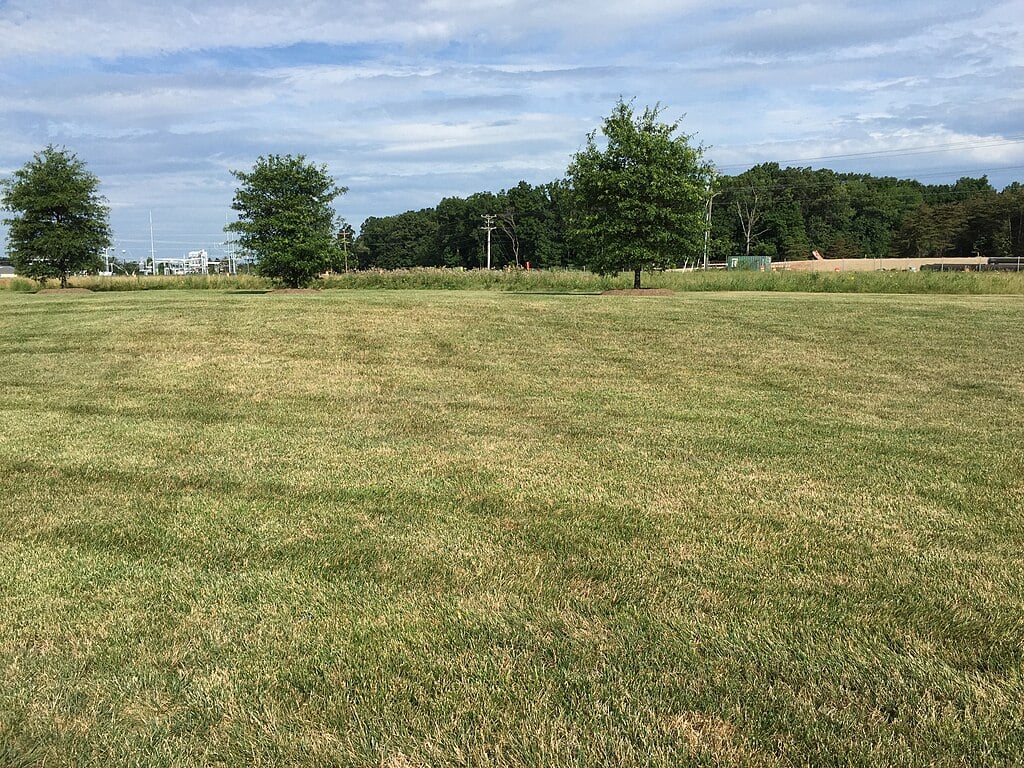
Chinch Bug vs. Drought Stress
One difference between chinch bug damage and drought stress is that drought-stressed areas will green up and recover in most cases (as most lawns enter dormancy as a mode of protection) but chinch bug damage is permanent.
Chinch bug damage also tends to occur in patches whereas drought stress is uniform throughout the lawn.
Finally, it generally also helps to check border areas. Live bugs are usually found feeding at the outer edges where dying grass meets healthy grass. You can try laying a clean white piece of paper on this border area, pulling up some grass, and shaking it out. Chinch bugs become a lot more noticeable as they fall on the paper.
Chinch Bug vs. Grub Damage
Both chinch bugs and grubs can leave behind brown areas where they’ve fed on the grass. The big difference is that grubs are sub-surface feeding pests that feed on the roots. In doing so, they actually detach the grass from the ground. Because of this, grass in grub-damaged areas will pull up easily since it is no longer attached. You can try the “tug test” to determine if grass is still rooted to the ground.
Lawn Diseases
Chinch bug damage can also be mistaken for lawn disease. Many fungal diseases lead to discoloration. But lawn fungus tends to leave behind more distinct, circular patches. It’s also a lot more common during humid weather.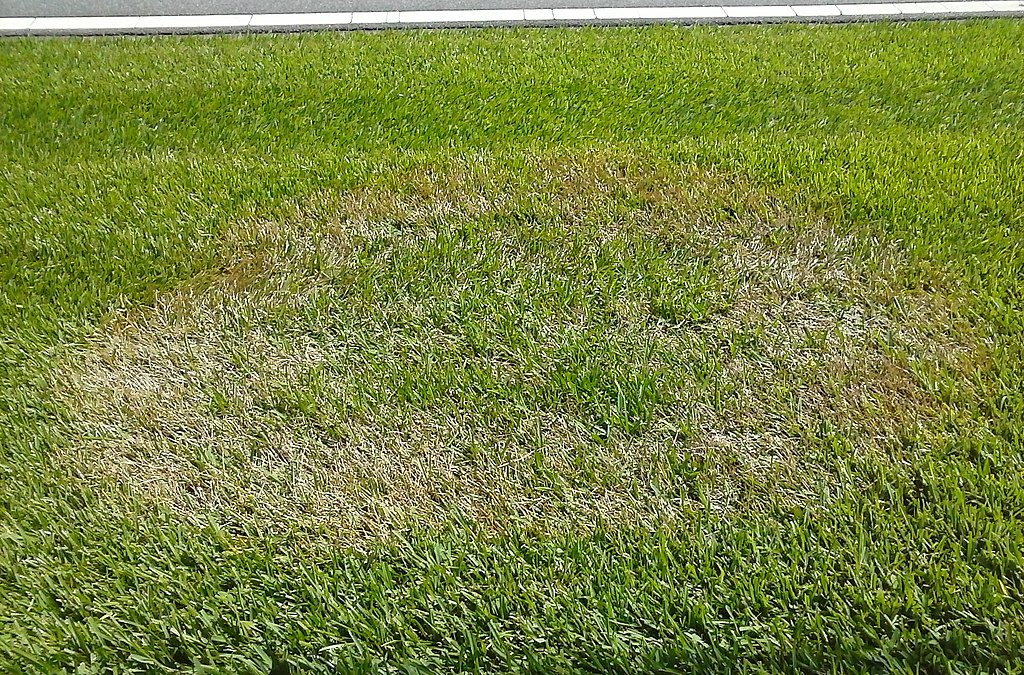
In many cases, lawn bug damage will show up in more irregular patches, since it pops up in areas where bugs happen to be feeding. Fungus damage is usually more circular in nature.
Chinch Bug Control and Treatment Options
You could go your whole life and never have a problem with chinch bugs or any other surface-feeding insects for that matter (cutworms, armyworms, and sod webworms being big ones in our region). That’s why we do not make homeowners pay for these treatments as part of our standard packages.
However, if you do have an issue with a surface-feeding pest, we can help discuss your options.
When you have a lawn care partner that is keeping a close eye on your property, early signs of trouble are generally spotted. And at Seacoast Turf Care, we always encourage homeowners to reach out to us if something is wrong. If you notice areas of the lawn turning yellow or brown, we’ll help you figure out what’s going on.
FAQs about Chinch Bugs
What do chinch bugs look like?
The most common type of chinch bug in New England is the hairy chinch bug. It is characterized by an almond-shaped body, unique back markings, and wings that cross.
How can I tell if brown patches are caused by chinch bugs or drought?
There are a few ways to tell the difference between chinch bug damage and drought damage. If weeds are unaffected, then it’s unlikely to be drought-related. In addition, chinch bug damage usually occurs in patches whereas drought damage is likely uniform, affecting the whole lawn.
When are chinch bugs most active in New England?
In New England, chinch bugs are most active between June and August, with activity peaking in July.
Can a lawn recover from chinch bug damage?
Yes, a lawn can recover from chinch bug damage, however, like any problem, it does depend on how severely it was affected. It’s always best to talk to your lawn care provider about problems you see early on so that swift action can be taken.
Choosing Lawn Care in Southern NH, Northeastern MA, and Southern ME
One of the best parts of working with a lawn care company is that you aren’t on your own when problems arise. But taking steps to promote a thick and healthy lawn can also help it fare better against issues.
When you’re already investing in lawn care, your lawn should stand up better against damage. Lawn pests tend to be most destructive to lawns that are already thin and struggling. This is when the damage is going to be severely noticed.
But if your lawn is thick and healthy, it won’t be so easily destroyed.
At Seacoast Turf Care, we’re here for you and any of your lawn woes! When you partner with us, you’ll find that we’re serious about helping to take away your worries and nurture a lawn you’ll love.
Ready to be where the grass is greener, healthier, and free from pests? Get lawn care pricing for your Southern NH, ME, or MA lawn.

Image Sources: hairy chinch bug, drought stress grass, brown patch disease
Ready to get the lawn you've been wishing for?