
If you’re like a lot of New England homeowners, you’ve probably dealt with at least some lawn disease problems at your home. Lawn fungus loves moisture and our region is known for its damp weather.
But do you really need lawn fungicide? You probably know that lawn disease control can be costly and you’re wondering whether it’s something you need to invest in.
In this article, we’ll talk about everything you ought to know about fungicide for lawns. Whereas a lot of companies try to use these services as a major revenue driver, here at Seacoast Turf Care, we take a very conservative approach that keeps the homeowners’ best interest at heart.
Jump To:
Dealing with Lawn Disease in New England
What Do Fungicides Do?
When to Apply Fungicide to Lawn
FAQs About Lawn Disease Control
Your Lawn Care Partner in Southern NH, Northeastern MA, and Southern ME
Dealing with Lawn Disease in New England
Because New England has humid summers with cool nights and frequent morning dew, it tends to create the optimal weather conditions for lawn fungus to grow and spread. We also have a shorter growing season than other parts of the country, meaning grass has less time to recover.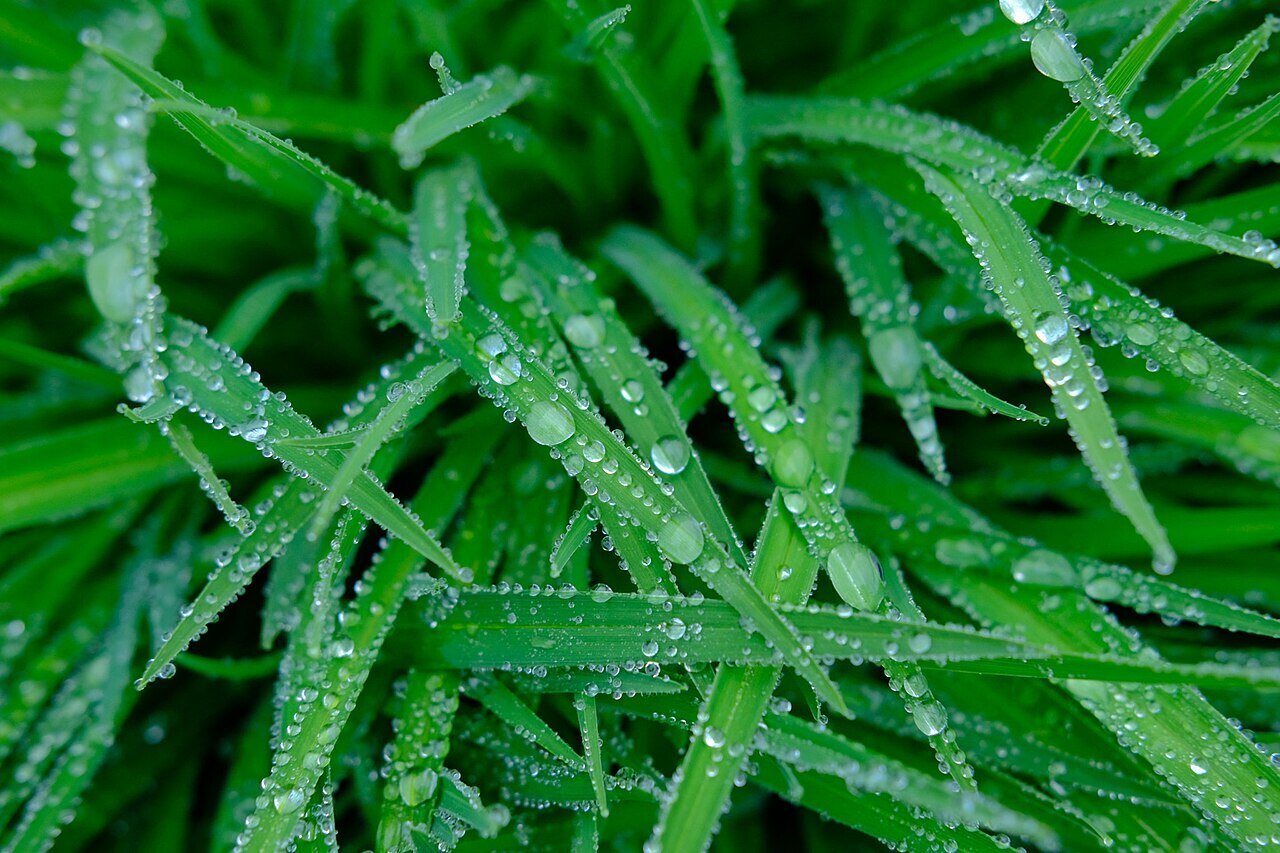
Three of the most common lawn diseases that we deal with are Red Thread, Dollar Spot, and Brown Patch.
-
Red Thread: As you might have guessed, Red Thread lawn disease gets its name because of its appearance. It shows up as stringy reddish/pink growths in the lawn. In addition to the tell-tale coloring, you might also notice that your surrounding grass blades appear ragged. Red Thread rarely kills established turf but it can weaken and discolor it.
-
Dollar Spot: Another disease named for its appearance, Dollar Spot lawn disease gets its name from the greenish/yellow lesions that grow on the grass resembling a silver dollar. You might notice a brown ring around these spots. While the lesions do start small, over time they can grow together and spread. Dollar Spot does get mistaken for Brown Patch (which we’ll discuss next) but it does show up more often in moderate weather whereas Brown Patch thrives in the hottest weather (usually later summer).
-
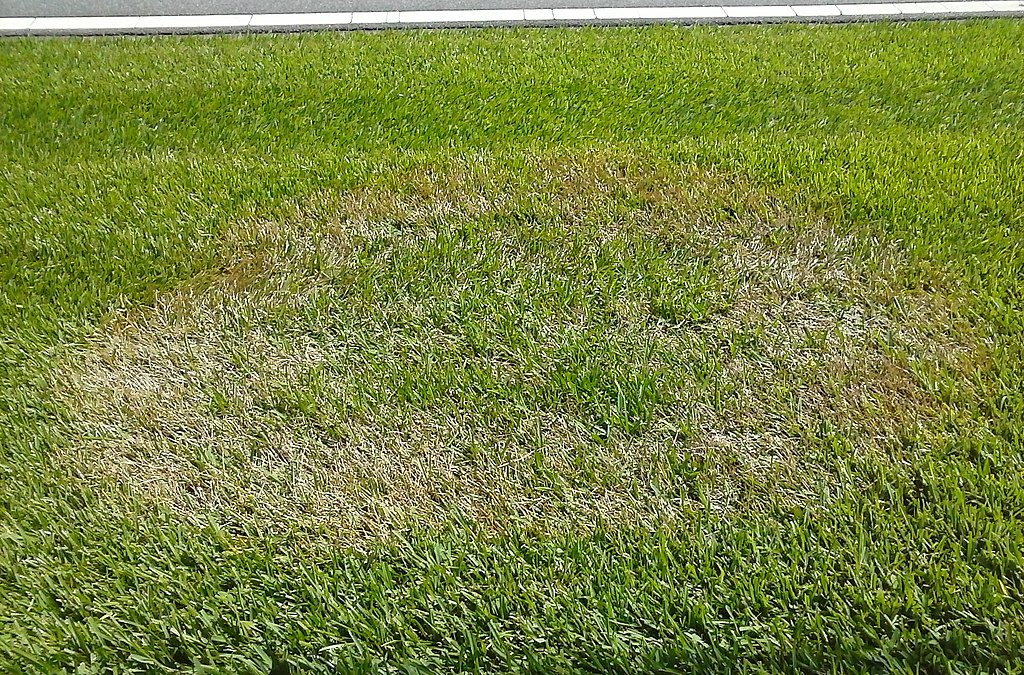
Brown Patch: Brown Patch lawn disease shows up as brown patches in the lawn. This disease is caused by the moisture-loving fungus Rhizoctonia solani. Brown Patch commonly affects all cool-season grasses but has been known to be particularly harmful to perennial ryegrass and tall fescue. Keep in mind that just because you have brown spots on your lawn does not mean you definitely have Brown Patch lawn disease. Brown spots can also show up due to pest problems and even environmental stressors (like drought).
What Do Fungicides Do?
Fungicides for lawns work by interfering with the biological processes inside of the fungi. That stops the fungus from spreading and therefore plays a role in preventing further or more extensive damage.
What fungicides DON’T DO is cure or fix grass that is already damaged. It’s a big misconception that fungicides are going to cure damage that’s already been done. Not understanding this can lead to disappointment as lawn fungicides are expensive.
Different fungicides work for different lawn fungus, so making a proper diagnosis is key. The severity of the disease should also come into play. For instance, a lawn disease like Red Thread is much more likely to just clear up on its own and only cause some cosmetic damage, so lawn fungicides would likely not be worth the investment.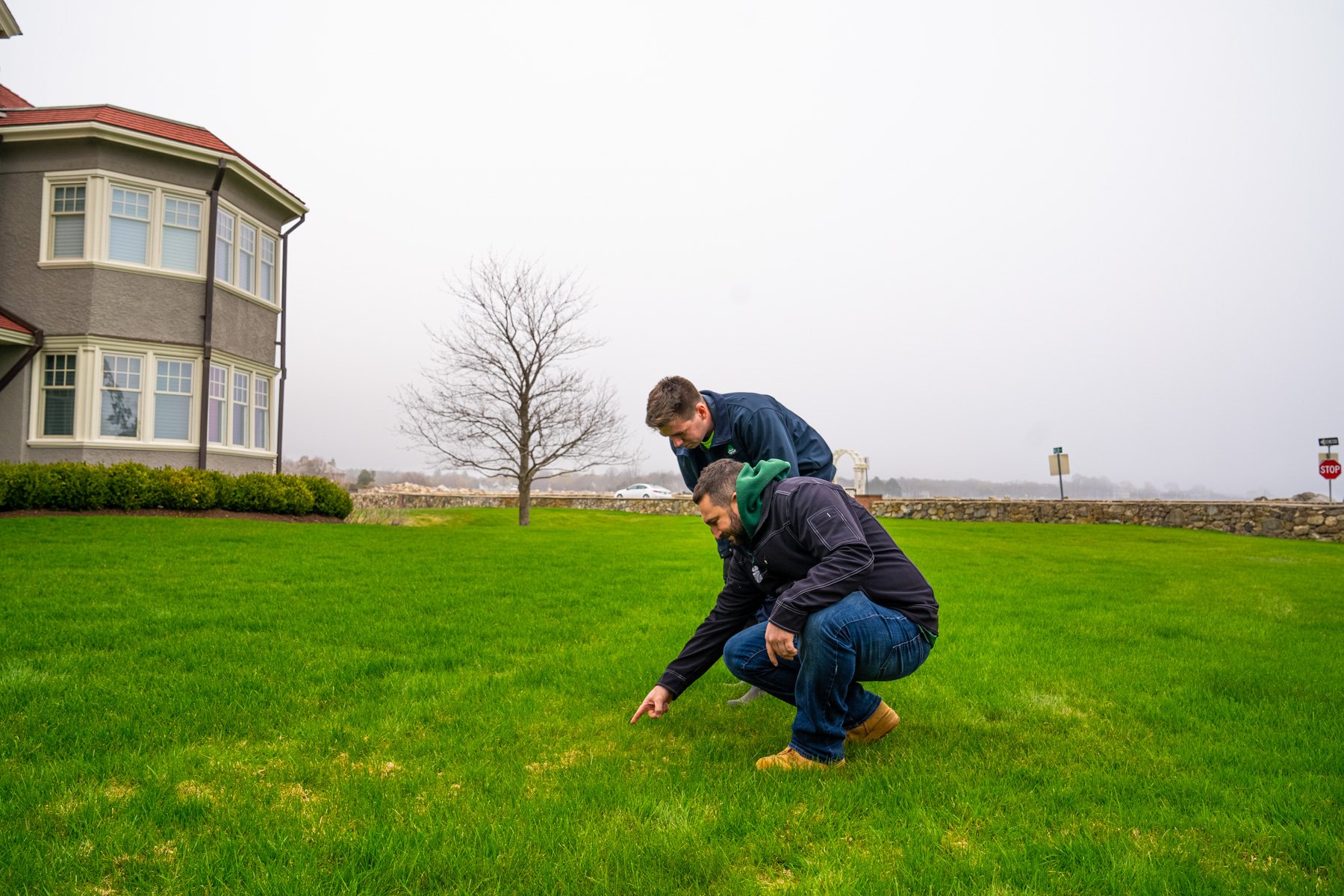
Since a lawn fungicide treatment won’t fix damaged grass, areas that have already been impacted and do not bounce back may require repairs like aeration and overseeding to fill in bare spots.
When to Apply Fungicide to Lawn
The timing of lawn fungicides really depends on what you’re dealing with. While these products can be applied preventatively, that can get incredibly costly, especially since there’s no guarantee you’ll even end up with a lawn fungus problem.
For homeowners who are not worried about cost and have extremely high expectations for their lawn, applying lawn fungicides when conditions are favorable for fungus growth (humid weather), can help prevent diseases.
At Seacoast Turf Care, we primarily use fungicide treatments curatively, meaning after disease has already appeared. We use them to prevent disease from spreading further into the lawn.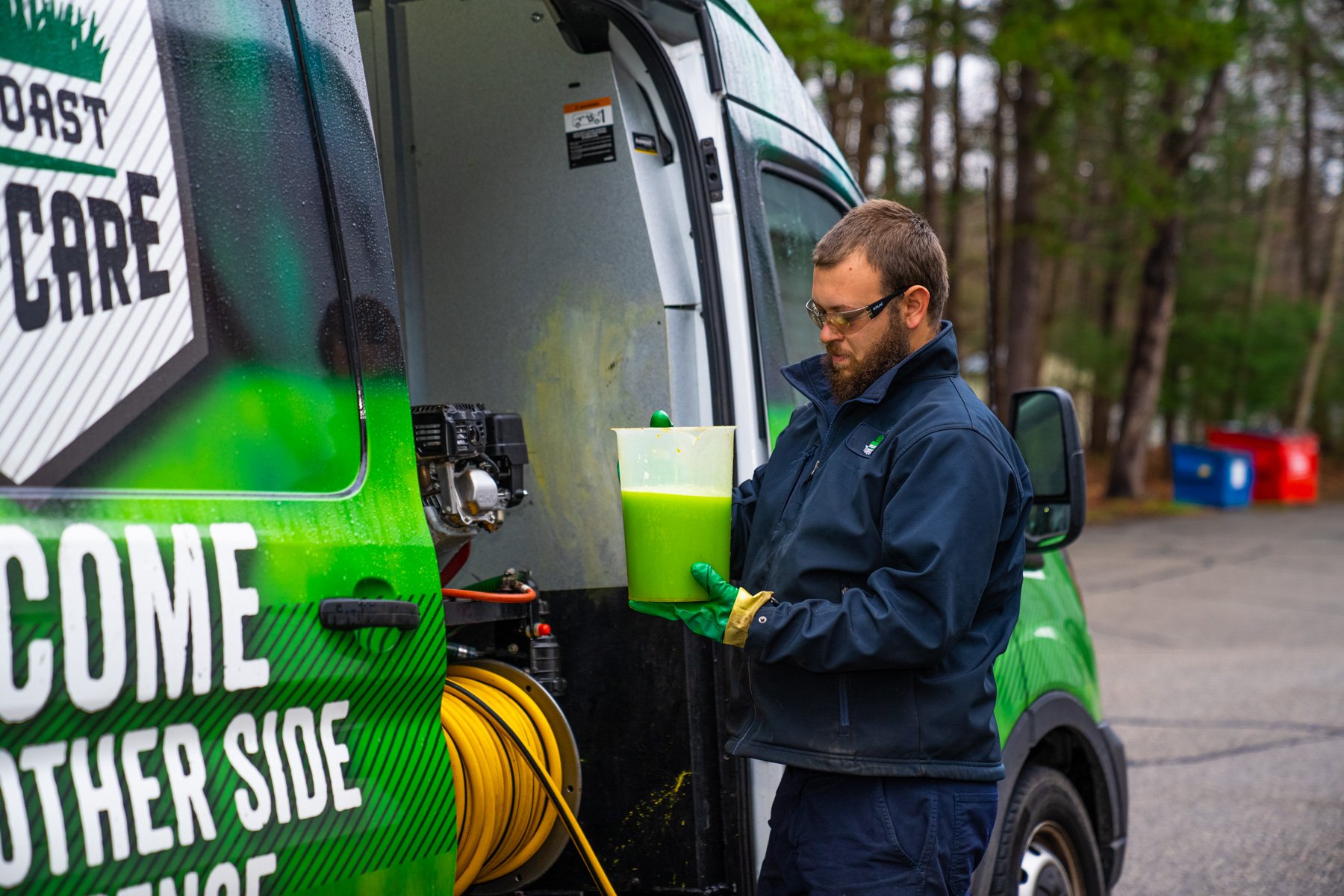
But because lawn fungicides are expensive and they only stop a disease from spreading (they don’t cure already-infected grass), we do use them selectively.
These products also only last 14 to 28 days and conditions can return after that period, bringing the fungus right back. We know that homeowners get frustrated that they have to keep reapplying lawn fungicides in order to gain some control.
In many cases, lawn diseases will clear up on their own. Grass also tends to be highly resilient and can bounce back from a lot of different problems (especially if it’s healthy).
We talk to our customers about lawn fungus treatment on a case-by-case basis, discussing whether we think it makes sense for their situation. In most cases it boils down to expectations and cost.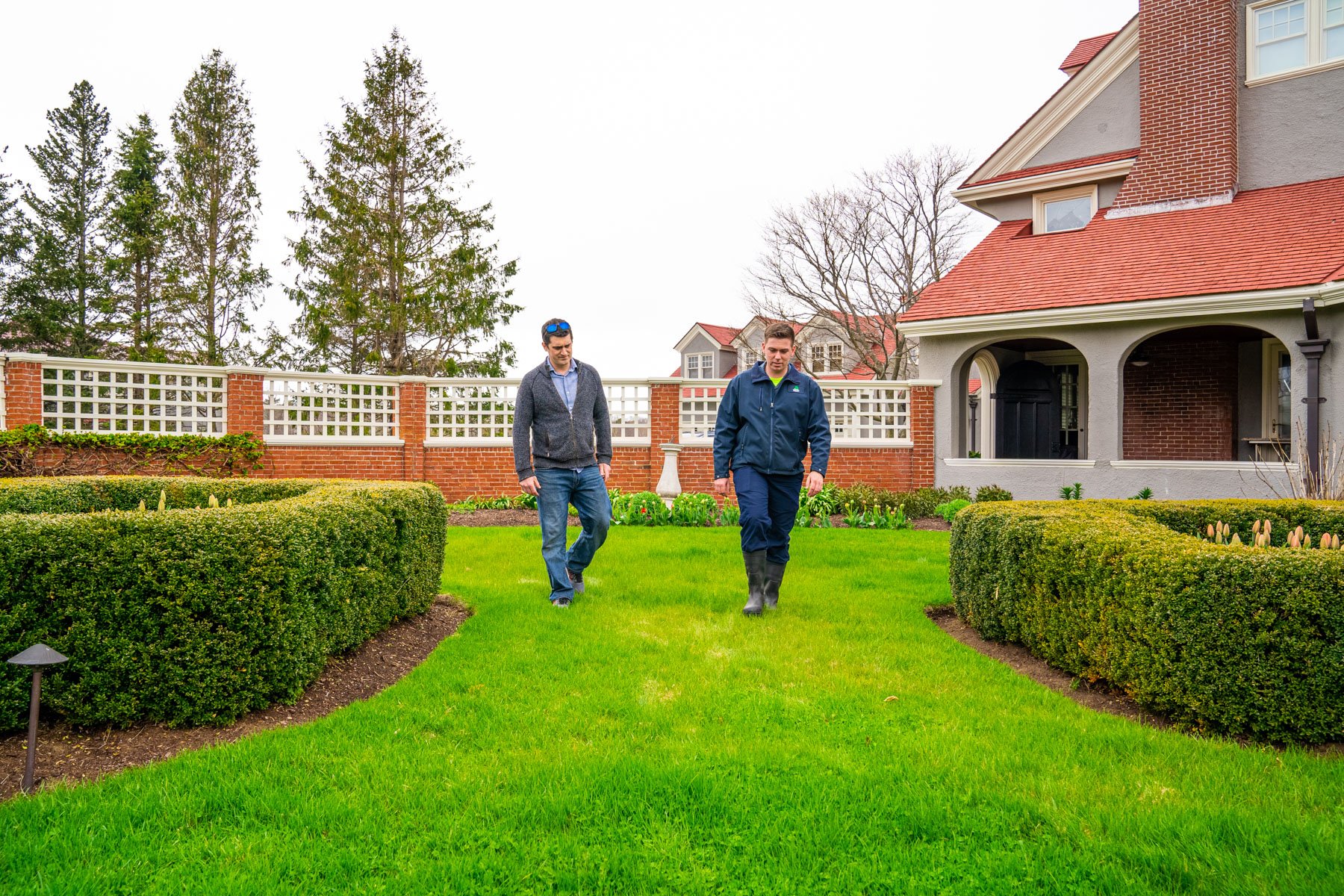
FAQs About Lawn Disease Control
Making decisions around lawn fungus can be complicated but we want you to feel confident about what you choose to do.
Can you prevent lawn fungus naturally?
You can’t entirely prevent lawn fungus but you can reduce the severity of it. The truth is, when the conditions are just right, even healthy lawns get struck with lawn fungus. But a lawn that is healthy and thriving is going to fare much better than one that is already struggling. A thick and healthy lawn might only have some surface-level cosmetic damage in the end.
How do lawn care habits affect lawn fungus?
Good lawn care practices come into play significantly. Proper watering is one of the biggest factors. In the summer, it’s important to water early in the morning so that you’re giving the lawn ample time to dry out. Overwatering is one of the biggest culprits of lawn fungus growth. Proper fertilization is also important. Too much nitrogen can accelerate lawn fungus growth.
Does lawn fungus go away on its own?
Yes, lawn fungus will often go away on its own, once conditions improve. But keep in mind that “go away” means that the symptoms resolve. Fungi is still living in the soil and when conditions are favorable for it to grow and spread, it can come back. Practicing good lawn care habits is important.
How do I know if my grass has a lawn fungus?
Lawn fungus generally shows up with visible symptoms like discoloration, spots, or powdery substances. That being said, sometimes homeowners misdiagnose other problems for lawn fungus. Brown patches can be particularly confusing as other issues like drought and pests can also cause brown spots. If in doubt, talk to your lawn care professional.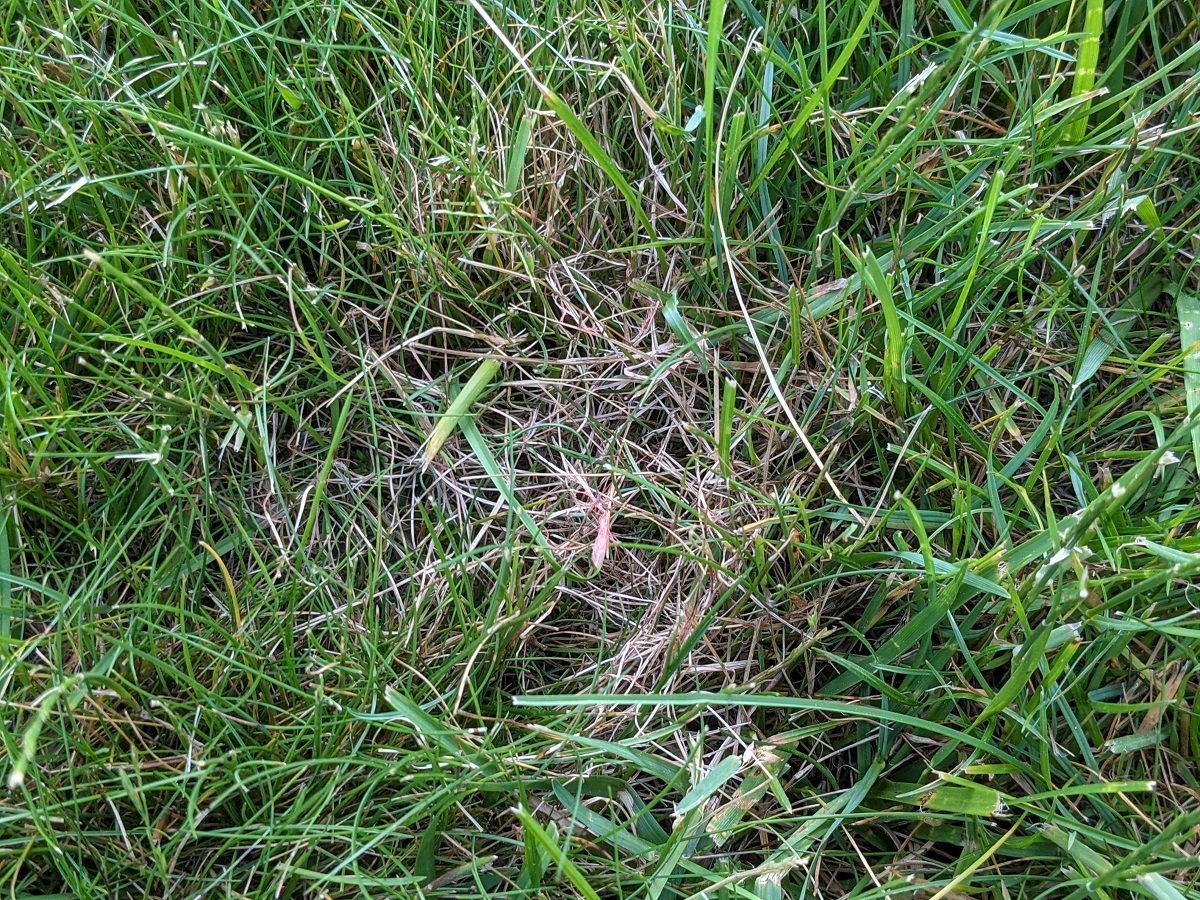
Are preventative fungicide treatments worth it?
This is a very personal question as it really does boil down to your expectations for your lawn along with how much you’re willing to spend. A large majority of our customers would say they’d rather not pay the extra money for preventative treatments. Instead, most would prefer to invest their money into lawn care that promotes a thick and healthy lawn which stands up better to disease.
Your Lawn Care Partner in Southern NH, Northeastern MA, and Southern ME
At Seacoast Turf Care, we want to be your partner in success. We know that a healthy lawn is important to you and we want to help. That’s why we help our customers choose the best path for lawn disease control.
If you’re looking for guidance, we provide lawn care services in Southern NH, Northeastern Massachusetts, and Southern Maine.
While lawn diseases are sometimes inevitable, when you are already partnered with a pro, you can feel confident that they are looking out for the health of your lawn. The earlier that trouble is spotted, the better.
Lawns can be a lot of work, but you don’t have to do it on your own.
When you choose to partner with a lawn care professional, you can let go of the burdens and simply get back to enjoying your lawn.
Want to learn more about what makes us a great choice for your lawn care needs? At Seacoast Turf Care, we service NH towns near Stratham, North Hampton, Exeter and many more. Get lawn care pricing for your Southern NH, Southern Maine, or Northeastern Massachusetts property.
Image Sources: morning dew, brown patch lawn disease
Ready to get the lawn you've been wishing for?