

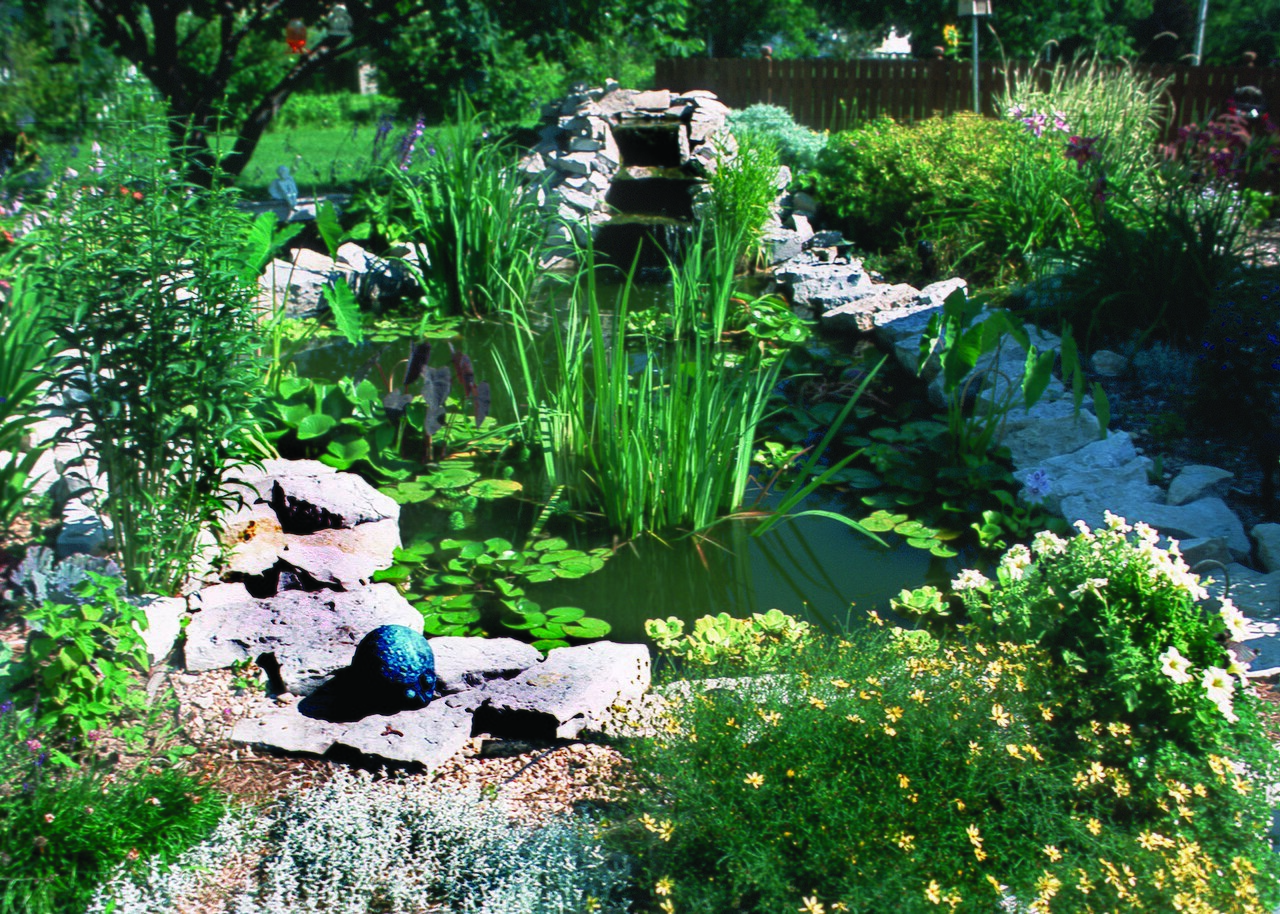
Mosquitoes in water are a major problem in the New England area. Our damp climate here in the Seacoast region can create comfortable conditions for mosquitoes to reproduce. The mosquito season usually runs May through August (though it can go into the early fall) and can have a negative impact on outdoor fun.
In this article, we’ll explain why mosquitoes are attracted to water and how you can avoid turning your property into a hot spot if you have a water feature on display.
Jump To:
Mosquitoes in Water: What’s the Issue?
Common Backyard Water Features That Attract Mosquitoes
How to Kill Mosquitoes in Standing Water
Water Feature Mosquito Control
Mosquito Control for New England Homes
FAQs on Mosquitoes in Water
Working with Seacoast Turf for Mosquito Control
Mosquitoes in Water: What’s the Issue?
Because mosquitoes need water as part of the reproduction cycle, any areas of standing water on your property can become a mosquito hot spot. Mosquitoes lay eggs in water, which is needed for the eggs to hatch. Mosquito larvae in water are born as wigglers, which are aquatic creatures.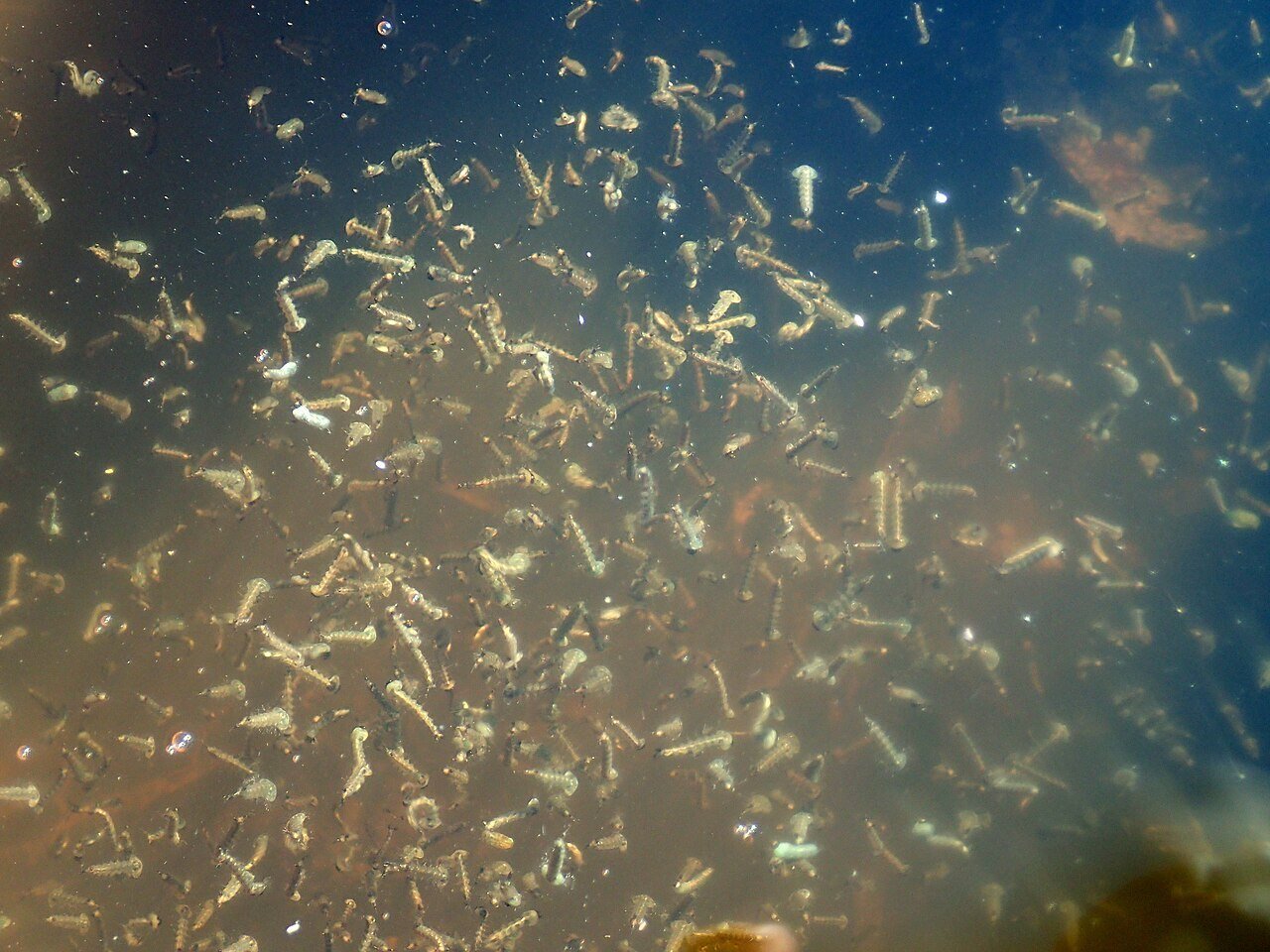
For these reasons, mosquitoes are very attracted to water, particularly areas of standing water, since the larvae cannot survive flowing water. While floating eggs stay in place, currents from moving water could scatter them.
Stagnant water also provides organic matter and microorganisms that the larvae can eat.
Areas of standing water on a New England property often surprise people.It can collect in a lot of places you might not consider. We’ll talk about that next.
Common Backyard Water Features That Attract Mosquitoes
As we mentioned, mosquitoes do not like flowing water. That means water features which have circulated water are not usually a problem for these pests. Features like fountains, water falls, and properly circulated ponds are not a problem. 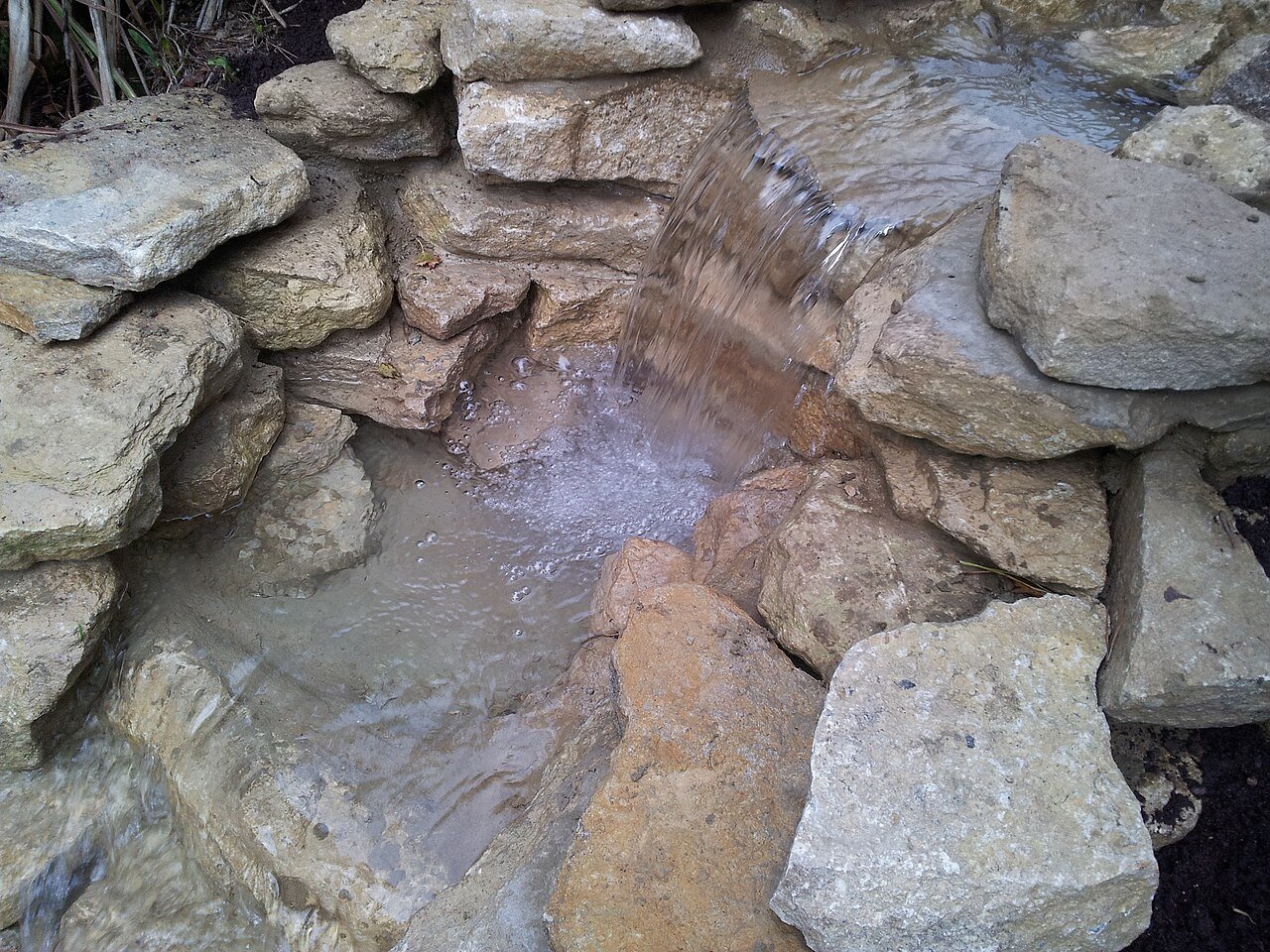
Water features that can attract mosquitoes include neglected ponds, bird baths, and a lot of surprising sources where water collects unknowingly. Just make sure to keep up with proper maintenance on any water features with circulating water to prevent mosquitoes making a home there.
Here’s where you’ll be most likely to find standing water on your New England property.
Low Spots and Garden Beds
If you have a low spot in the lawn or in a plant bed, you might need to fill in those areas to avoid water pooling. Of course, if it’s a significant issue, it could require re-grading. Take steps to improve drainage in your yard if this is the case. A service like aeration and overseeding can help, but you might also require a drainage solution like a French drain.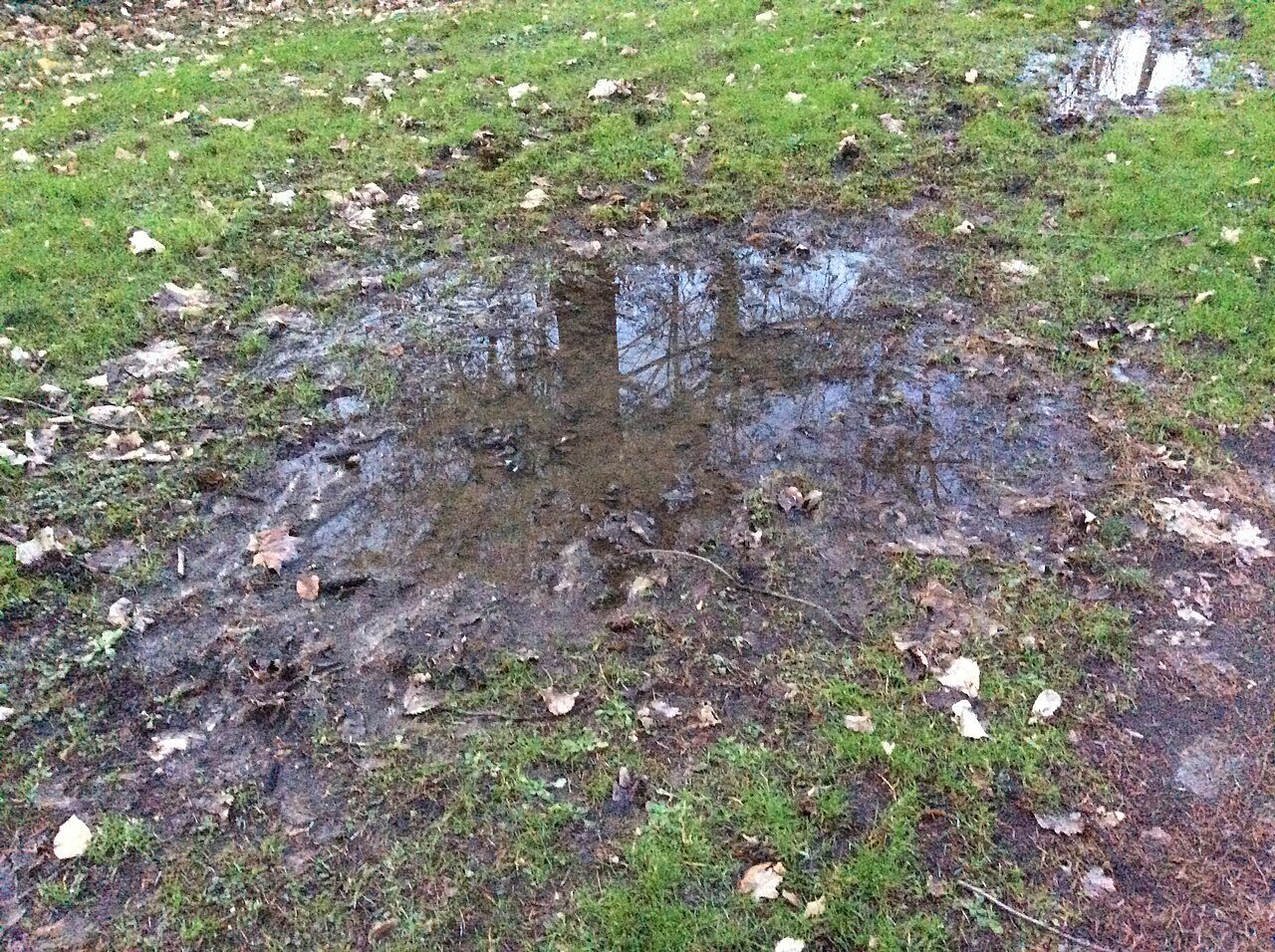
Containers, Flower Pots, and Bird Baths
If you’ve left any sort of container in your yard or maybe have various flower pots around, these spots can end up collecting excess water. Make a point to dump out flower pot saucers or to keep buckets and other open containers turned over when not in use.
Tarps and Pool Covers
While swimming pools themselves are not a problem for mosquitoes since the water is circulating (and often treated with chemicals), the pool cover could be a problem. Tarps over wood piles and in other areas of the property can also collect stagnant water.
Toys and Pools
Toys and small kiddie pools left in the yard can also be problematic. Don’t leave kiddie pools filled with water for days at a time. This water will become stagnant and your child’s play spot could soon become a mosquito hotspot.
Garbage and Recycling Bins
Make sure you keep a lid on items like garbage cans and recycling bins so that water does not collect in them. You can also drill small holes in the base to help them drain on their own in case water does get inside.
Clogged Gutters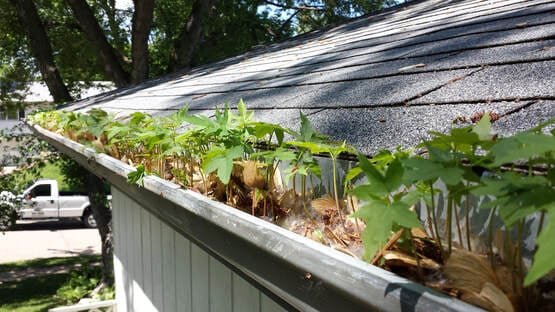
Gutters are one of those “hidden spots” that people tend to forget about. They are “out of sight, out of mind.” But clogged gutters can be a mosquito’s favorite breeding site. That’s because they not only have standing water, but also lots of fresh debris that can become feeding material for newly hatched mosquito larvae. Keep in mind that areas where gutters empty out in the yard might also be mosquito zones if the water is pooling.
How to Kill Mosquitoes in Standing Water
The best way to address standing water is to get rid of it when you can. If you have a lot of areas of standing water around your property that don’t need to be there, it makes sense to dump them.
However, we know that you might be looking for how to treat standing water for mosquitoes so that you can keep your bird baths or small ponds.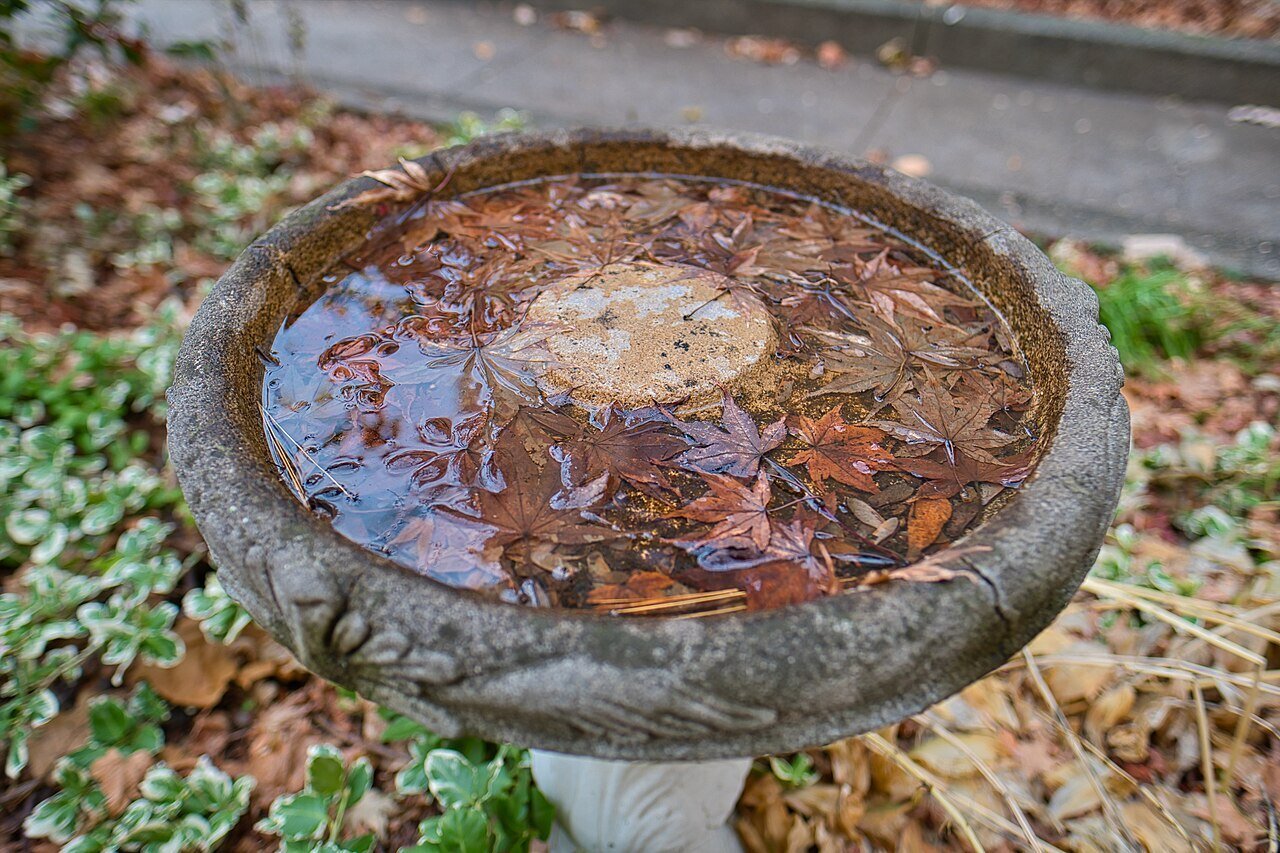
At Seacoast Turf Care, we do not openly treat standing water areas. However, homeowners may utilize mosquito dunk products on their own. Mosquito dunks are small donut-shaped larvicides that specifically target and kill mosquito larvae in water but are safe for fish, birds, and of course humans.
If you’re going to use dunks, it’s very important that they follow state-specific laws. Read the labels and make sure you are using these products properly. Some states do prohibit homeowners from applying pesticides but most dunks are organic.
Bottom line: Just make sure you are doing your research and understand what you’re doing.
Water Feature Mosquito Control
The best water feature mosquito control is good water circulation. Maintaining constant water movement prevents mosquitoes from laying their eggs in the first place. This means you should run your pumps continuously.
Sometimes things do need to be fixed in order to keep water moving. Jets and pumps can become clogged and might need cleaning. That’s why unattended or neglected water features can become problematic over time.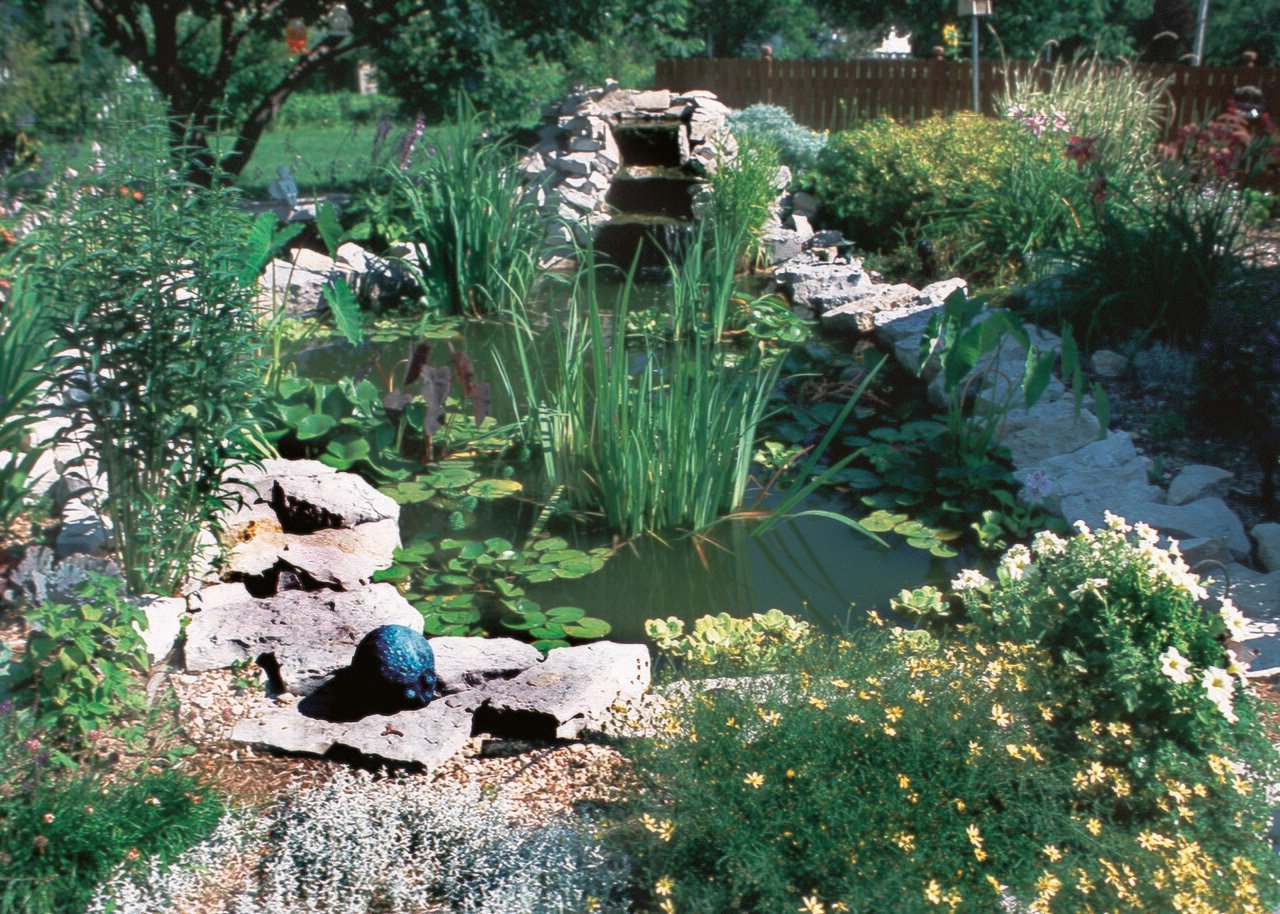
Of course, if you have bird baths or small ponds that don’t have any circulation, you can consider mosquito dunk products - or you can find simple, small solar-powered water circulators online these days.
Mosquito Control for New England Homes
Getting rid of areas of unwanted standing water is a really important step to keep mosquitoes out of your yard. But it’s not enough by itself.
For one, it does not take much water for mosquitoes to lay eggs. Scientists have said that mosquitoes only need a bottlecap-sized amount of water to lay their eggs. In addition, keeping up with dumping or draining areas of standing water can be challenging. You might not always realize where water is collecting.
Plus, standing water might be on an adjacent neighbor’s property and could be the source of mosquito problems. Often, there are many breeding sites on adjacent properties.
For that reason, mosquito control products are key to keeping the pest population on your property controlled.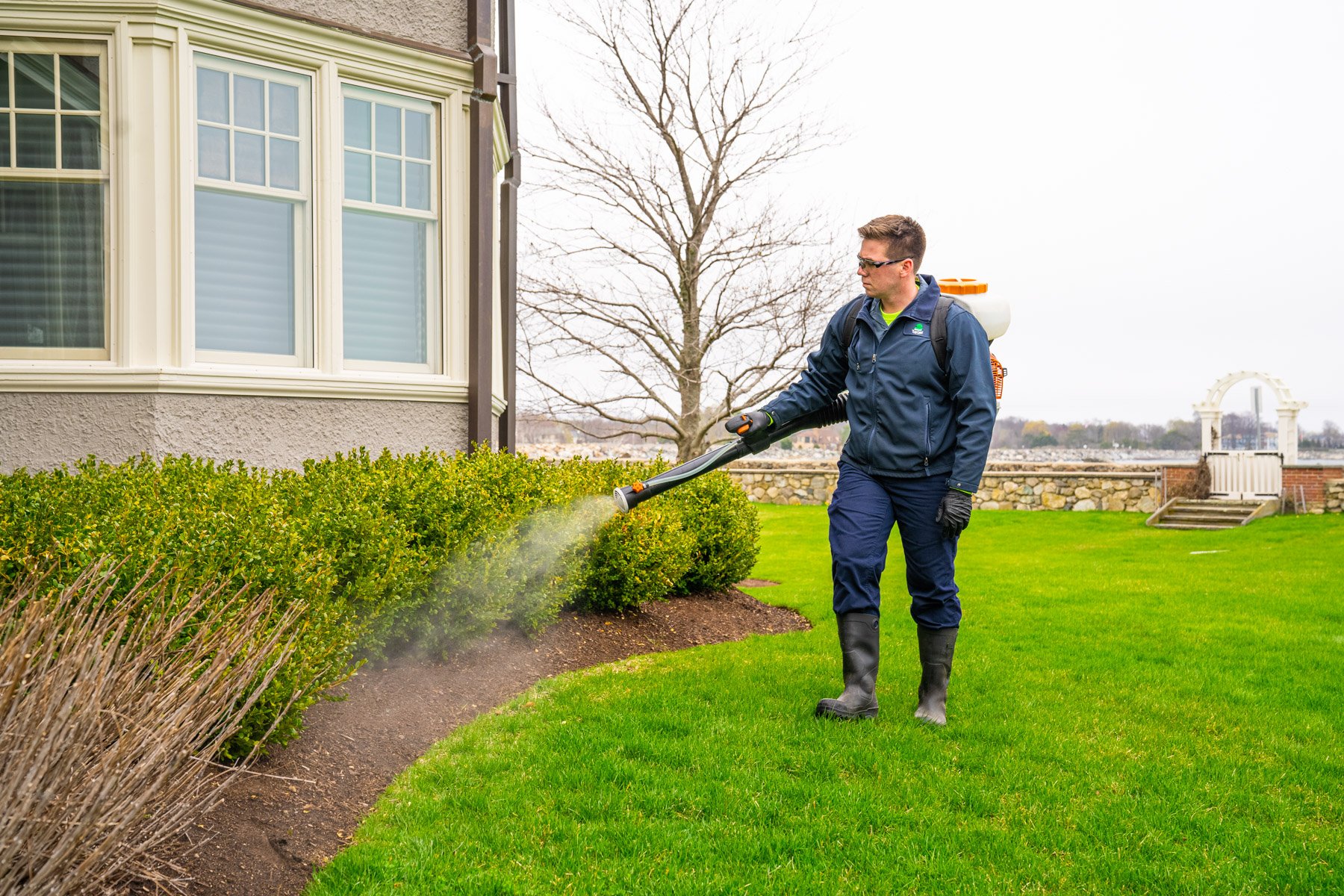
Compared to many DIY methods, a pest control professional targets prime mosquito habitats. Since mosquitoes are weak flyers, they stop frequently to rest. That means that bushes and shrubs around the property are commonly hang-out spots for resting mosquitoes. These are the types of areas that we will treat with a mosquito control product that will kill them once they land there.
Keep in mind that this is not a “once-and-done” kind of service. You’ll want to keep up with mosquito control throughout the active season so that you’ll have continued protection against these pests.
At Seacoast Turf Care, we target mosquitoes throughout their entire active season with seven different treatment visits. With a pest as dangerous as the mosquito, you need to be diligent and keep your property continually safe.
FAQs on Mosquitoes in Water
Why are mosquitoes attracted to water?
Mosquitoes are attracted to water because it’s necessary for the reproduction process. Females lay their eggs on or near water as their larvae are aquatic and need water for survival.
Do fountains attract mosquitoes?
If fountains are running they do not attract mosquitoes. That’s because they need standing water to lay their eggs. However, fountains that are unattended or not operating properly could attract mosquitoes.
What is a mosquito dunk and are they effective?
A mosquito dunk is a donut-shaped larvicide product that can be put in desired standing water (like bird baths) to kill mosquito larvae. They are effective and do not harm birds or fish.
How can I prevent mosquitoes in my backyard?
You can take steps to reduce the mosquito population in your yard with cultural practices like keeping shrubs and grasses trimmed and dumping unwanted standing water. You can also use mosquito dunks in desired water like small ponds or bird baths. Circulating water, such as fountains or swimming pools, do not attract mosquitoes.
Will spraying my yard for mosquitoes prevent them from breeding in my water feature?
No, spraying your yard for mosquitoes will cover the foliage and other common resting spots but female mosquitoes might still choose to use your bird bath or small pond as a breeding site. Be sure to keep water circulating in any water features or to use dunks in locations like bird baths as necessary.
Working with Seacoast Turf for Mosquito Control
If you’re thinking about mosquito control in Southern NH, Northeastern MA, or Southern ME, you want to make a wise choice. You have lots of options for pest control, but you want a company that you know you can trust.
That means choosing a company that has your best interest at heart!
When you invest in professional protection, you are gaining valuable peace of mind that these pests won’t be a serious threat to your family. When you choose the right company, you can also feel confident that you aren’t making a compromise with unsafe products or poor service.
At Seacoast Turf Care, it is our mission to put an end to what’s bugging you. We know that mosquitoes can be a source of frustration and stress. But we’re here to help.
Want to stop worrying about the danger of mosquitoes on your Southern NH, ME, or Northeastern Massachusetts property? Get mosquito control pricing today.
Image Sources: mosquito larva, rock waterfall, standing water, clogged gutter, bird bath, backyard water feature
Ready to get the lawn you've been wishing for?