
When it comes to having a healthy lawn, you might not be thinking much about the soil your grass is growing in. But everything from the soil structure and type down to the soil pH can play a role in the health of your lawn.
Lawns in the Seacoast region tend to be naturally acidic, which can lead to some problems. That means you can be taking all the right lawn care steps to have a great lawn, and it could still struggle because the soil just isn’t healthy.
In this article, we’ll cover some of the key things you need to know about the proper pH for lawn soil. We want to help you have a thriving lawn and that starts with a good understanding of what’s going on beneath the surface.
Jump to:
What is Soil pH and Why Does it Matter?
What Should the Lawn pH Be?
How Does Different Soil pH Affect Grass Health?
How to Test Lawn Soil pH?
How to Alter Soil pH?
FAQs About Lawn Soil pH
Choosing Lawn Care in Southern NH, Northeastern MA, and Southern ME
What is Soil pH and Why Does it Matter?
If you remember back to chemistry in school, pH is a way to measure the amount of acidity or alkalinity that is present in a substance. Soil, at its midpoint, has a pH of 7. This is neutral territory, meaning it is neither acidic nor alkaline.
Extreme acidity is at the low end of the scale (-5pH) while extreme alkalinity (or basic) is at the high end (14pH).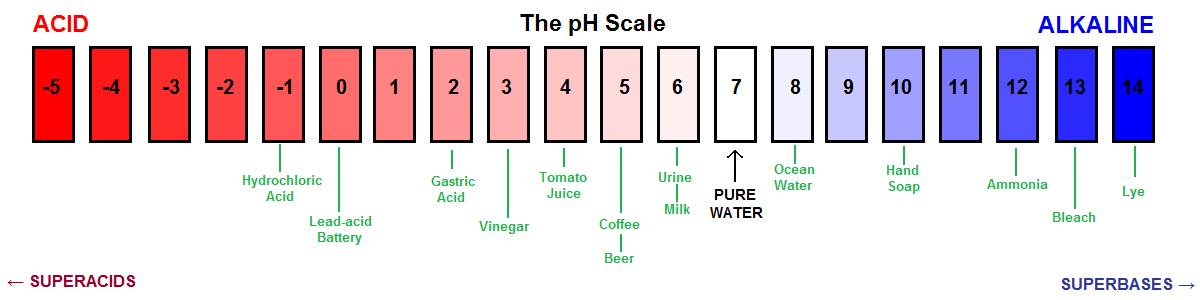
When the soil falls too far into the acidic category, it alters the chemistry within the ground and causes struggles with nutrient uptake. This can lead to deficiencies that lead to your grass plants struggling.
If you’re having problems with your lawn, it’s quite possible that some of it has to do with the health of the soil.
What Should the Lawn pH Be?
For a healthy lawn, the best pH for grass is between 6.0 and 7.0.
Unfortunately, as we mentioned, soil in the Seacoast region tends to be naturally acidic. This is due to a combination of local climate, soil chemistry, and environmental factors. Much of New England’s soil developed from granite and other acidic rocks left behind by glaciers.
It’s important to understand that the pH scale is logarithmic, which means an increase or decrease of the value changes the concentration tenfold. In other words, a pH of 3 is ten times more acidic than a pH of 4. This means that even a slight variation, while minor on paper, can be significant in actuality.
When soil pH is not balanced, it can lead to trouble. We’ll cover that in the next section.
How Does Different Soil pH Affect Grass Health?
You want your lawn soil pH to be in the optimal range. Soil pH problems could lead to yellowing grass, thinning turf, or even increased weed pressure.
Whenever a lawn is struggling, opportunistic weeds take that moment to creep in. And, many weeds actually prefer to grow in soil pH that is lower than grass prefers. That means that you could have soil that is better for weed growth than grass growth.
Here are a few things to understand about soil pH and how it can affect grass:
-
If pH is too low (acidic), grass can’t use nutrients properly and may struggle to grow
-
If pH is too high (alkaline), important nutrients (like iron) become harder for the grass to absorb, leading to yellowing.
-
When pH is balanced, the lawn will grow thicker, greener, and healthier overall. This is the goal!
How to Test Lawn Soil pH?
You can find out your soil pH with soil testing, a service that is offered by most lawn care professionals, including Seacoast Turf Care.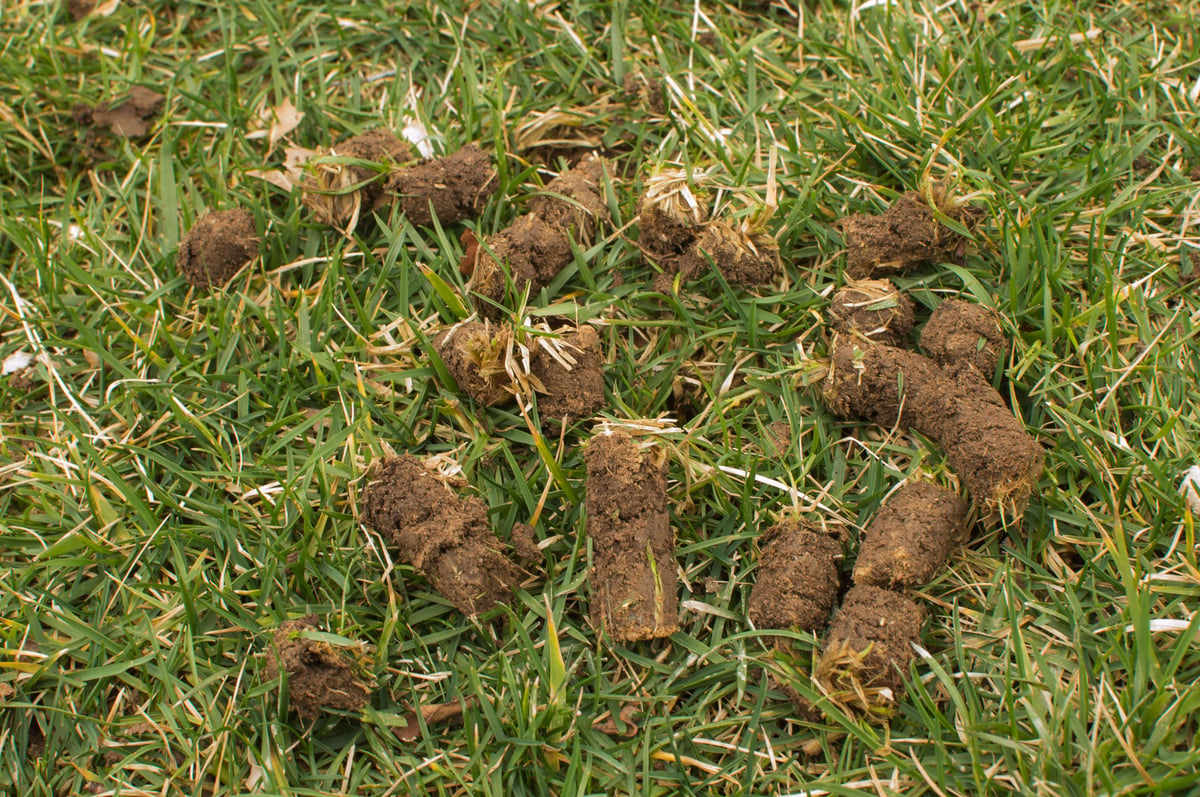
A lawn soil test involves using a tool to pull core samples from the lawn and have the soil pH and nutrient makeup tested. Both of these factors are critical to the health of your lawn. For instance, if your lawn isn’t as green as you think it should be, it could be due to a nutrient imbalance.
Even though you can purchase a soil test kit at the local hardware store, this is truly a service best left to a pro.
The biggest problem with using a store-bought lawn soil test kit is that it’s not likely to be as accurate as a professional lawn soil testing service. When a professional tests your soil, they’ll likely be pulling multiple samples from different areas of the lawn and then sending those off to a professional laboratory for expert results.
But it’s also what is done with the information that matters. A lawn care professional will be using their expertise to make decisions and suggestions based on the data received from a lawn soil test.
How to Alter Soil pH?
Once you have your soil tested, you’ll know the soil pH and whether corrections need to be made.
In our region, most companies use lime as a way to maintain soil pH. At Seacoast Turf Care, our soil boosters are designed to try and change the soil pH. Once we’ve successfully altered the pH, then we go to a maintenance application and double check the pH every 3 years.
Soil pH can change over time, especially in our region, so that re-check is important. It’s all part of a science-backed lawn care program.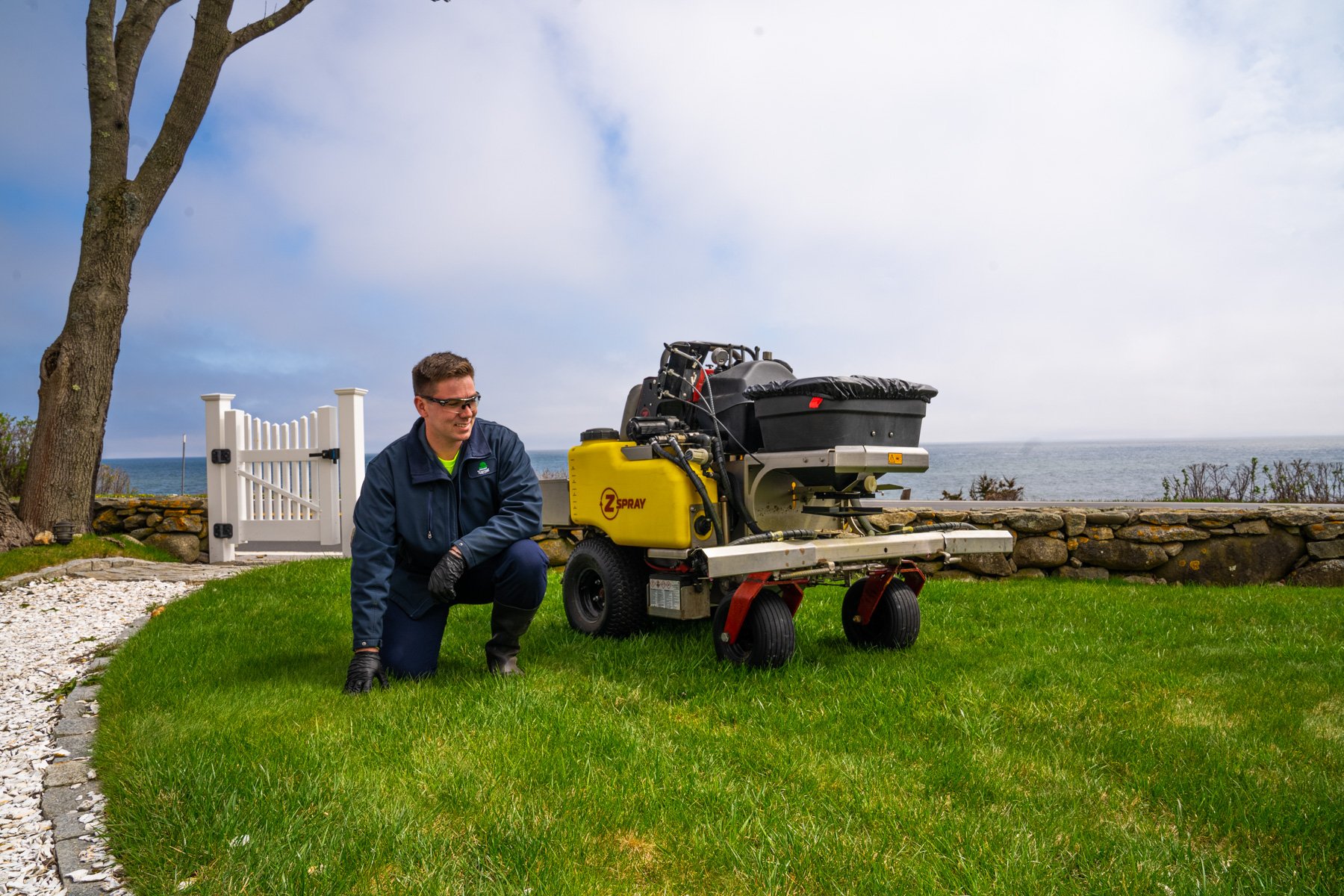
Can you just leave your soil pH alone? We would not recommend it.
Lawns that grow in acidic soil will always remain at a disadvantage. Nutrients, whether naturally found in the soil or supplemented with regular fertilizer applications, will only get partially utilized by grass plants in acidic soil. This might be why your lawn isn’t as green as it could be. It also might be why your grass is thinning.
FAQs About Lawn Soil pH
Before we wrap up this article, we want to cover a few commonly asked questions.
What are some signs that my soil pH is off?
Grass thinning, yellowing, or just failing to perform optimally can all be signs that the lawn soil pH is off. Grass with imbalanced soil pH might also experience higher weed pressure.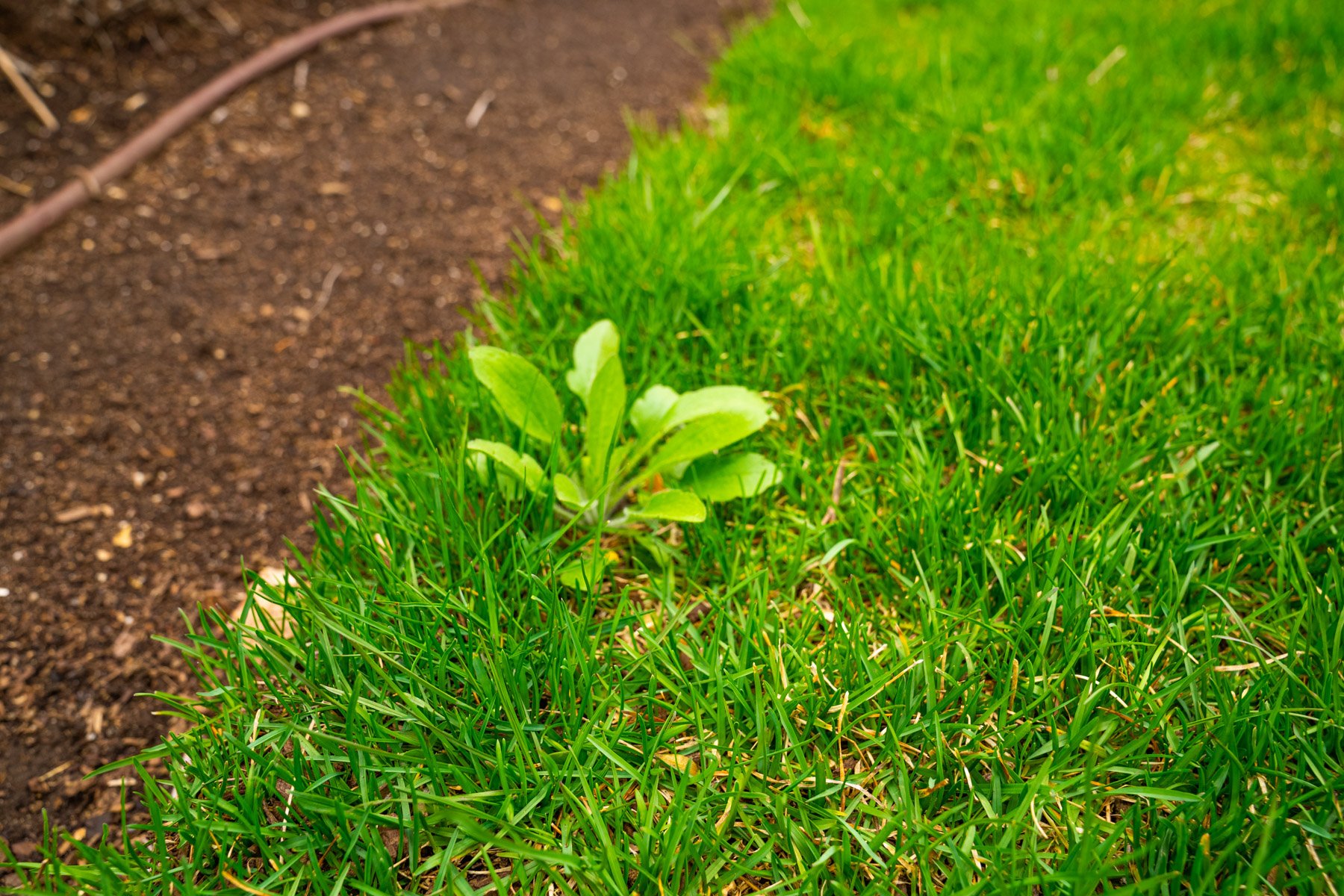
What is the best way to test soil pH?
A lawn soil test performed by a lawn care professional is the best way to test soil pH.
Lawn soil testing involves gathering samples from various parts of the lawn and testing it for the pH levels and nutrient composition. Both of these elements are critical to the success of your lawn.
What is the best soil pH for New England?
For a healthy lawn, the best pH for grass is between 6.0 and 7.0. Unfortunately, soil in New England tends to naturally be acidic.
What should I do to fix my pH levels?
Limestone applications can raise the pH to optimal levels. But it’s best to work with a lawn care professional. At Seacoast Turf Care, our booster treatments are designed to change the soil pH.
Of course, it’s not JUST about pH. The overall microbial makeup of your soil, as well as its compaction, will also play a role in health.
At Seacoast Turf Care in Southern NH, ME, and MA, we promote biologically active soil with our organic-based lawn fertilization. Balanced nutritional fertilizer with both macro and micronutrients will help your lawn to grow naturally healthy.
Choosing Lawn Care in Southern NH, Northeastern MA, and Southern ME
At the end of the day, you’re going to be best-informed about your lawn’s soil health when you work with a lawn care professional.
But even then, you need to choose wisely. Not every lawn care provider gets in-depth about soil health.
At Seacoast Turf Care, serving Southern New Hampshire, Southern Maine, and Northeastern Massachusetts, we perform soil testing for every new customer and then again every three years (because lawns change). This is because we know that science-based lawn care is the surest path to great results.
When we perform a professional lawn soil test, we examine those results closely and make educated decisions about what to do next.
This is how we take a customized approach to lawn care. We’re not just guessing about what’s best. People are often surprised to learn that their soil makeup might be entirely different from that of their neighbor’s. That’s why soil testing is so important.
Unfortunately, not all lawn care companies offer a lawn soil testing service. They’re just making lawn care decisions based on what they surmise is best for the majority. But since every lawn is different (and can be dealing with different issues), this is going to fall short for many lawns.
If your goal is to have the best-looking lawn possible, then you can’t skip over a lawn soil testing service. It’s important to work with a company that offers this service and helps set you up for success.
Want to learn more about what makes us a great choice for your lawn care needs? At Seacoast Turf Care, we service NH towns near Stratham, North Hampton, Exeter and many more. Get lawn care pricing for your Southern NH, Southern Maine, or Northeastern Massachusetts property.
Image Sources: pH scale
Ready to get the lawn you've been wishing for?